In what the U.S. FDA has dubbed a milestone move toward fewer animal studies in drug development, the agency published a draft guidance to help sponsors validate new approach methodologies that can bring safe, effective drugs to market sooner based on human-centric data rather than starting off with nonclinical animal pharmacology and toxicology data.
As AI continues to storm into global life, biopharma companies are figuring out ways to incorporate it into their operations, all with the goal of bringing better therapies to patients faster. At Pharma USA, a Reuters Events meeting in Philadelphia March 16-17, numerous AI companies presented their offerings to attendees, driving interest and partnerships.
Imperative Care Inc. secured $100 million through an oversubscribed convertible note financing round to support commercialization of its stroke and vascular thrombectomy technologies. The round was co-led by new investors Elevage Medical Technologies and Perceptive Advisors alongside existing investor Catalio Capital Management LP. Also participating were new backers Longaeva Partners LP and Brown Advisory, with continued support from existing investors, including Ally Bridge Group and Bain Capital Life Sciences.
Even though case law has established that 340B-covered providers can’t sue drug companies for overcharging on the steeply discounted drugs, the Adventist Health System of West tried a new door into court – as a whistleblower under the False Claims Act.
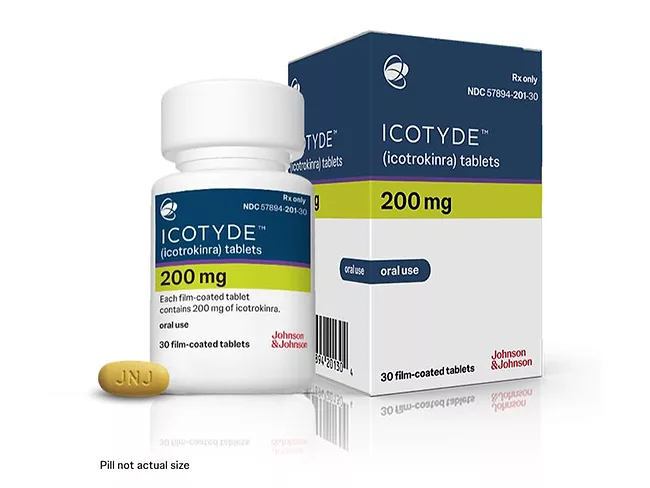
Awaiting the potential U.S. FDA approval of a second product this year, Protagonist Therapeutics Inc. with partner Johnson & Johnson won the go-ahead for oral peptide Icotyde (icotrokinra), an IL-23 receptor antagonist, to treat moderate to severe plaque psoriasis in adults and pediatric patients 12 and older who weigh at least 40 kg and who are candidates for systemic therapy or phototherapy.
It’s déjà vu all over again for Aldeyra Therapeutics Inc., which disclosed its third complete response letter (CRL) for dry eye disease candidate reproxalap, with the U.S. FDA citing a lack of substantial and consistent evidence of efficacy.
The GLP-1 fight has moved from injectables to pills, and Structure Therapeutics Inc. is in the ring with phase III-ready aleniglipron. According to the Bay Area biotech, its oral once-daily glucagon-like peptide-1 (GLP-1) drug candidate, aleniglipron, demonstrated an absolute weight loss of “up to 39 pounds” in the 44-week Access II trial.
Rare disease drug development companies battle with economic challenges and small patient populations, but new technology alongside a human connection are helping researchers and marketers identify patients, educate physicians and build networks. At Pharma USA, a Reuters Events meeting in Philadelphia March 16-17, executives from Astrazeneca plc and UCB SA discussed their successes with rare disease launches, presenting their playbooks for building trust and driving adoption among patients.
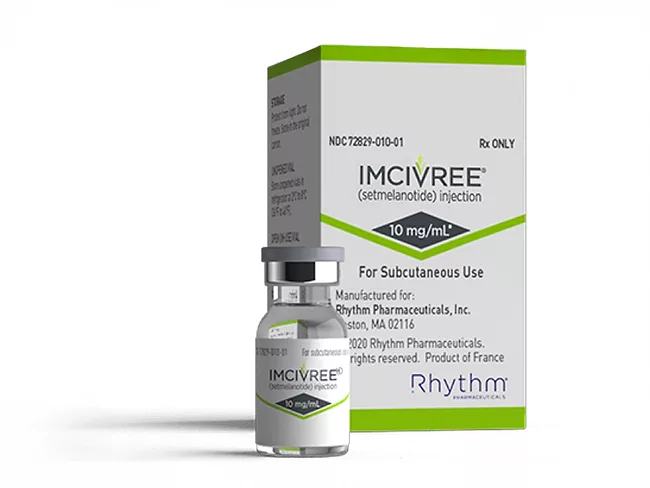
Low expectations for Rhythm Pharmaceuticals Inc.’s phase III study dubbed Emanate with Imcivree (setmelanotide) in a handful of rare genetic obesities meant hardly any share price consequence, and the stock (NASDAQ:RYTM) closed March 17 at $87.68, down $2.83. “We’re not going to file [for approval] on any of these,” CEO David Meeker said, but the latest findings together represent “a solid building block going forward,” he added.
In one fell swoop March 16, a U.S. federal judge stayed the CDC’s January memo revising the childhood vaccine schedule and the Advisory Committee on Immunization Practices (ACIP) as reconstituted by Health and Human Services Secretary Robert Kennedy, along with everything that committee has done since early June.
 RSS
RSS