Armed with a fully subscribed $80 million series D round, Life Biosciences Inc. is making progress with its lead candidate, ER-100, which is in phase I trials testing its theory on reversing the biological effects of aging via partial epigenetic reprogramming.
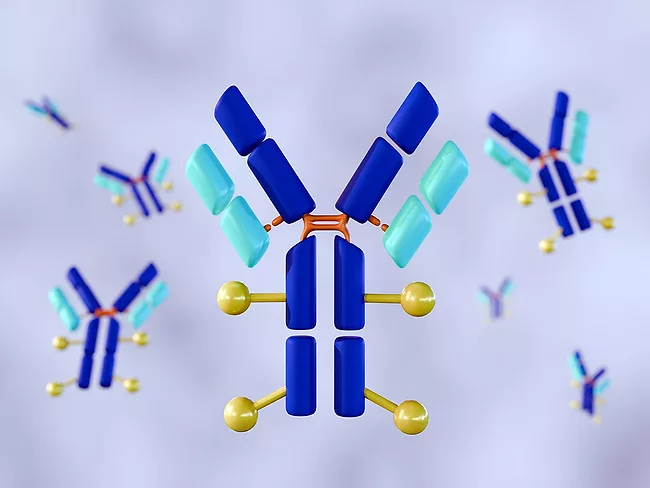
C4 Therapeutics Inc.’s degrader-antibody conjugate (DAC) strategy gathered more steam with a new collaboration between the firm and Roche AG that brings $20 million up front with the potential for more than $1 billion in discovery, regulatory and commercial milestone payments.
In a decision that maintains the regulatory status quo, the U.S. FDA denied a petition from Harrison.ai to partially exempt certain diagnostic/detection AI devices from premarket review so long as the manufacturer has 510(k) clearance for a device in a similar category and a robust postmarket plan.
After more than a decade at the helm of the Pharmaceutical Research and Manufacturers of America (PhRMA), Stephen Ubl said he plans to step down as president and CEO of the trade organization at the end of the year.
The U.S. confirmed the agreement in principle made last December to exempt U.K. pharmaceuticals from import tariffs, as the U.K government put its commitment to spend more on patented drugs into effect.
Newco Sononeu Inc. has launched to translate more than a decade of basic research in controlling cells with ultrasound into novel, non-invasive therapies for conditions including peripheral and diabetic neuropathy. The underlying technology of sonogenetics provides the ability to manipulate cellular activity via ultrasound-sensitive ion channels that respond to acoustic pressure. These channels may be endogenous, or could be delivered by targeted vectors to specific cell types.
South Korea is rolling out regulatory changes to speed biosimilar development, including reforms to shorten review timelines, ease phase III trial requirements and simplify oversight of manufacturing changes.
Don’t like a court order? Sidestep it. That seems to be the idea behind U.S. Health and Human Services Secretary Robert Kennedy’s latest changes to his renewal of the charter for the CDC’s Advisory Committee on Immunization Practices (ACIP).
German company Tubulis GmbH, which emerged with a $12.3 million series A round and a next-generation antibody-drug conjugate (ADC) platform about six years ago, has commanded up to $5 billion in a buyout offer from Gilead Sciences Inc.
After nearly a year of threats and promises of a global biopharma tariff of 25% to 500%, U.S. President Donald Trump finally delivered it. In the name of national security, he imposed a 100% sector tariff on prescription drugs and their associated ingredients beginning in about four months for large manufacturers and six months for smaller companies.
 RSS
RSS