Telix Pharmaceuticals Ltd. filed an NDA with the U.S. FDA for its radiopharmaceutical glioma imaging product, TLX-101-CDx (Pixclara, 18F-floretyrosine, 18F-FET), for the characterization of progressive or recurrent glioma from treatment-related changes in both adult and pediatric patients.
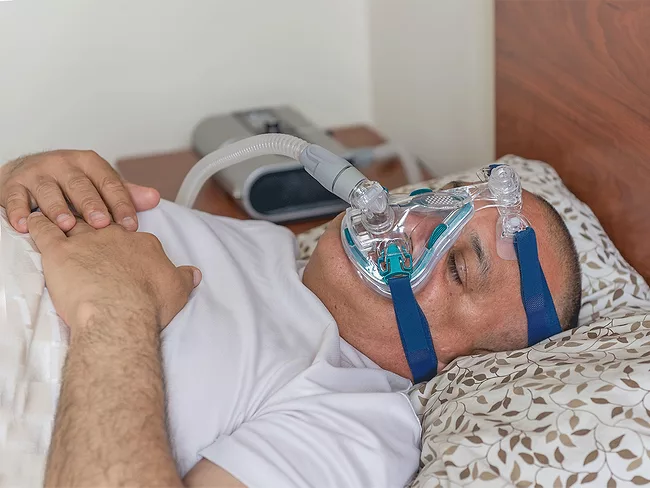
The U.S. FDA caught up with four makers of CPAP cleaning machines in the form of warning letters advising the manufacturers that the claims made for their systems fall under the definition of a regulated medical device. In two of these warning letters, the FDA said it had been in touch with the manufacturer for at least two years, indicating that the agency has been steadily working on enforcement activities in this space for some time.
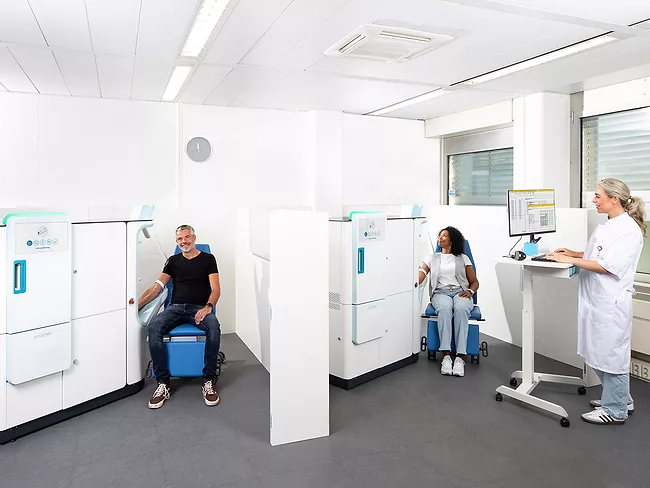
Vitestro Holding BV received CE marking for its automated blood drawing device which uses artificial intelligence, ultrasound-guided imaging and robotics to ensure accurate and secure blood collection. The device is the first of its kind to achieve CE mark and the company believes it will be transformational for health care.
While product liability litigation in the U.S. for medical devices is a matter of state law, a legal theory from 1965 seemed to hint at a uniform national standard on strict liability for medical devices.
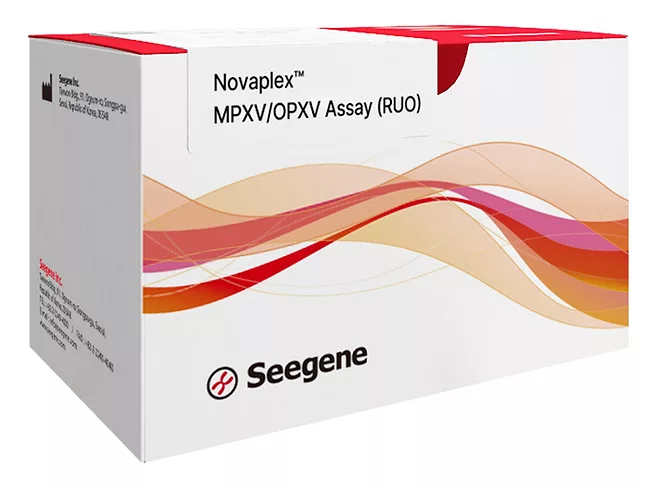
Shares of Chinese and South Korean med-tech companies continued to rise after the World Health Organization declared mpox a public health emergency of international concern Aug. 14 after recent outbreaks.
The clearance by the U.S. FDA of Healthccsng V2.0, an artificial intelligence cardiac solution developed by Nano-x Imaging Ltd.’s (Nanox) subsidiary, Nanox.AI, is highly “significant” for the company and will offer “substantial” benefits to cardiology departments by significantly enhancing the detection of coronary artery calcification, Erez Meltzer, Nanox CEO told BioWorld.
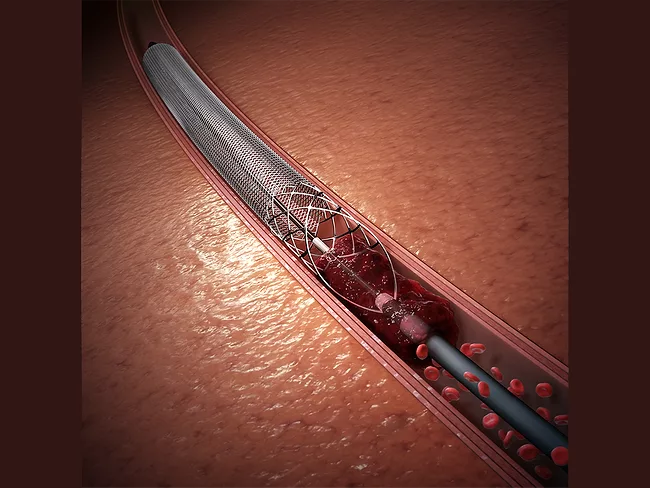
The U.S. FDA recently announced that Inari Medical Inc. issued a recall that corrects the instructions for use for roughly 2,500 units of the Clottriever XL catheter due to reports of device entrapment in the lung.
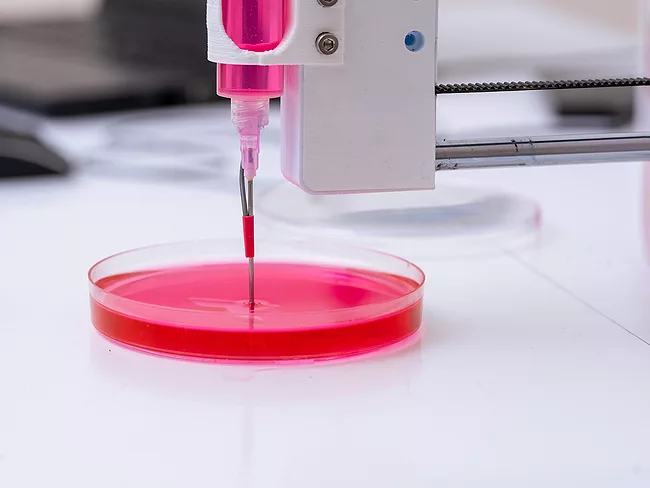
Additive manufacturing at the point-of-care (POC) might seem to open the world of medical device litigation to new theories of liability, but that isn’t likely in part because hospitals are wary of assuming the elevated legal risk associated with taking ownership of POC manufacturing activities.
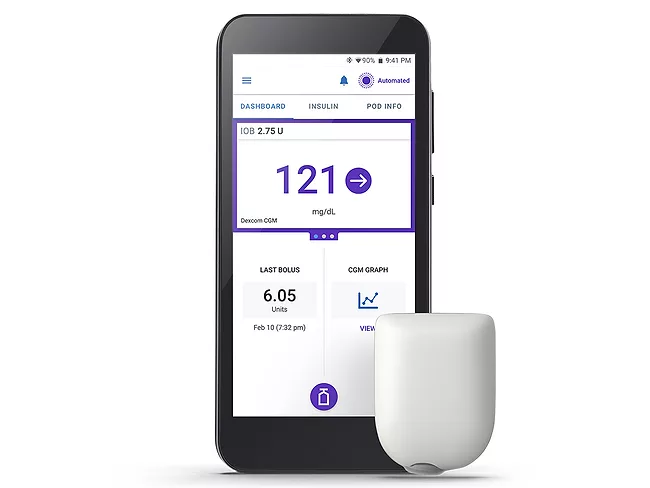
Insulet Corp.’s Omnipod 5 automated insulin delivery system has been cleared by the US FDA for the indication of type 2 diabetes, making it the first automated insulin delivery system cleared for both type 1 and type 2 diabetes management.
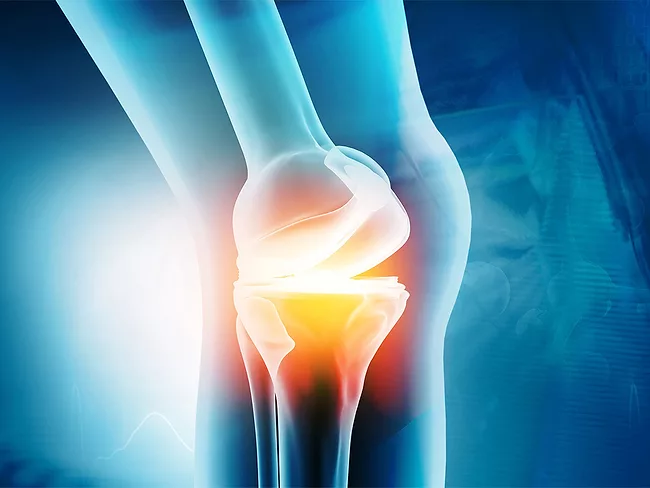
Vericel Corp.’s Maci for repairing cartilage defects in the knee has been approved by the U.S. FDA via a supplemental biologics license application. Using a patient’s own cells cultured on a porcine collagen membrane, Maci Arthro is delivered arthroscopically and allows for repair of knee cartilage defects up to 4 cm2.
 RSS
RSS