Algodx AB received U.S. FDA 510(k) clearance for its sepsis detection software Navoy CDS. The technology, which analyzes patient data, has the potential to improve patient outcomes as it enables clinicians to detect and treat sepsis earlier.
The U.K. Medicines and Health Care Products Regulatory Agency enacted its AI Airlock program for artificial intelligence – the agency’s branding for its regulatory sandbox for this type of medical software.
The U.S. FDA’s effort to regulate lab-developed tests was predictably controversial, but the final rule drew a second lawsuit, this time from the Association for Molecular Pathology.
The New York Times published an article on Aug. 20 about potential conflicts of interest on the part of Jeff Shuren, former director of the Center for Devices & Radiological Health (CDRH), arguing that Shuren may have failed to recuse himself in matters in which his wife, a regulatory attorney, represented a medical device maker.
The U.S. Government Accountability Office’s report on FDA oversight of medical devices acknowledges that the agency has made strides in its efforts to develop surveillance systems to track adverse events, but there are shortcomings.
The COVID-19 pandemic drove a large volume of in vitro diagnostic test efforts toward the SARS-CoV-2 virus, such as the Biofire respiratory panel by Biofire Diagnostics LLC, of Salt Lake City, a test for which the U.S. FDA released the special controls.
Privacy legislation was passed and implemented in the European Union, but the picture in the U.S. is pockmarked by state legislation, a scenario that raises concerns about a fractured and impracticable compliance regime.
Boehringer Ingelheim GmbH’s and Astrazeneca plc’s implementation of a $35 monthly U.S. price cap on inhalers for asthma and chronic obstructive pulmonary disease is adding to the pressure on Prasco Laboratories and GSK plc to follow suit with the pricing of an authorized generic of GSK’s Flovent (fluticasone propionate) inhaler.
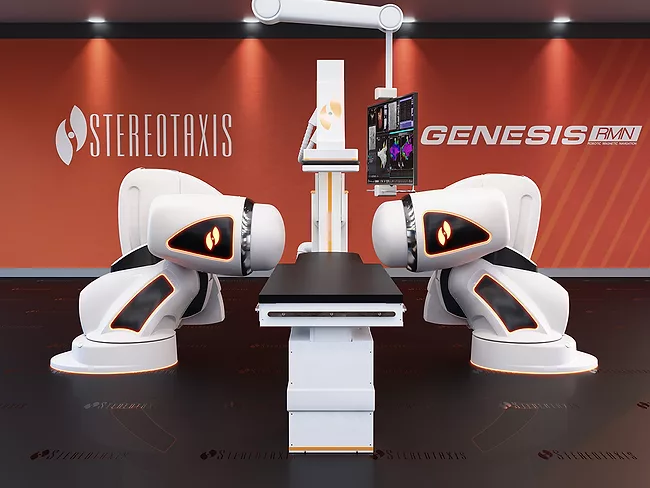
Stereotaxis Inc. Genesisx received the greenlight from the EU authorities for its next generation robotic system, which it says builds on the benefits and performance of the previous Genesis while greatly reducing its barriers to adoption.
Device makers and physicians alike were less than enthused about several features of the draft Medicare inpatient rule for fiscal year 2025, but thanks in part to support from the device industry, the final rule provides a new code that encompasses both left atrial appendage closure and ablation, a change that may reduce spending without dinging sales of these devices.
 RSS
RSS