Selux Diagnostics Inc. has received breakthrough device designation from the FDA for its Next Generation Phenotyping (NGP) platform for positive blood culture and sterile body fluid samples. The NGP technology is a diagnostic platform designed to help with the delivery of personalized antimicrobial therapies within 24 hours. The Boston-based company is hoping the technology can tackle the global antibiotic resistance crisis. According to the World Health Organization, antimicrobial resistance is one of the top 10 global public health threats facing humanity.
The demise of the Medicare Coverage of Innovative Technologies (MCIT) rule may not be the end of the breakthrough devices coverage story, but Lee Fleisher of the U.S. Centers for Medicare & Medicaid Services (CMS) said the MCIT rule was riddled with deficiencies. Fleisher said CMS is of the view that expedited coverage of breakthrough medical devices would be better handled under existing statutory authorities, suggesting the agency sees no need for the MCIT-driven provisions of the Cures 2.0 legislation.
The FDA posted an advisory for health care professionals regarding a “potential for differences” between men and women in connection with the use of left atrial appendage (LAA) closure devices. The agency said that differences in procedural outcomes as described in a new medical journal article included a procedure-associated death rate of 0.3% among women undergoing the procedure, triple the rate of 0.1% in men.
The issue of FDA regulation of lab-developed tests (LDTs) has been percolating for a number of years, but the Verifying Leading-edge IVCT development (VALID) Act of 2021 appears to offer the solution. Several stakeholders, including Jeff Allen, president and CEO of Friends of Cancer Research, are eager to see the reforms come through quickly, given the increasingly vital role that tests such as companion diagnostics play in the care of patients facing potentially deadly diseases.
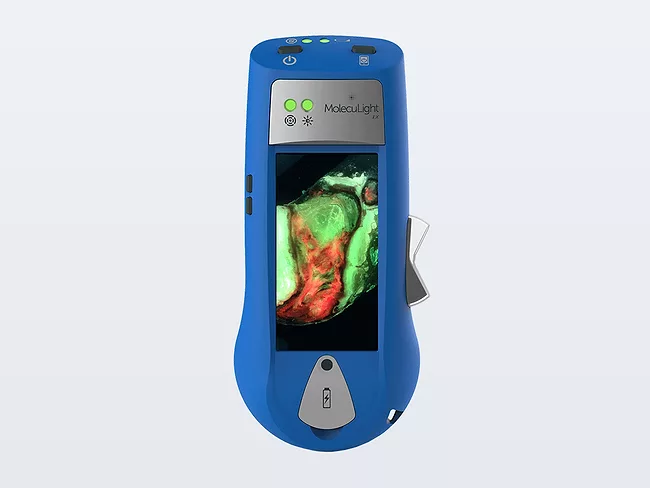
Clinicians may soon be able to identify wounds likely to have difficulty healing before they deteriorate thanks to the FDA’s 510(k) clearance for Moleculight Inc.’s i:X imaging device for detection of wounds containing high levels of Pseudomonas aeruginosa (PA). The point-of-care i:X visualizes fluorescence, with wounds containing elevated levels of PA glowing cyan.
While the FDA has not provided transcriptions for device user fee meetings in roughly five months, the agency is still demonstrably determined to increase the volume of user fees. A source close to the negotiations told BioWorld that the latest proposal from the agency, dated Sept. 22, would require that industry come up with roughly $2.5 billion over the next five fiscal years, more than double the amount under MDUFA IV.
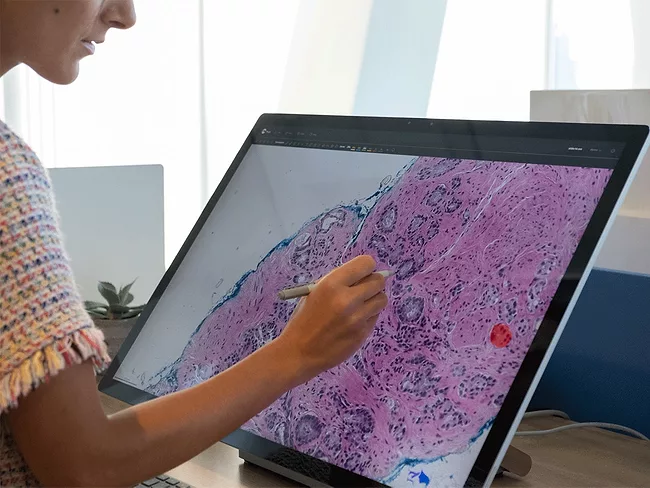
The FDA granted de novo marketing authorization for Paige Prostate, artificial intelligence (AI)-driven software that improves detection of prostate cancer. The clinical study submitted to the FDA demonstrated that using Paige Prostate resulted in a 7% improvement in sensitivity in correctly diagnosing cancer, increasing from 89.5% to 96.8%.
The U.S.FDA said the recall of two models of the Pipeline Flex embolization devices is due to a risk that the delivery system’s wire and tubes will fracture during placement of the stent. The agency said the recall is associated with 59 reports of malfunction, 10 serious injuries and two fatalities, making this a class I event.
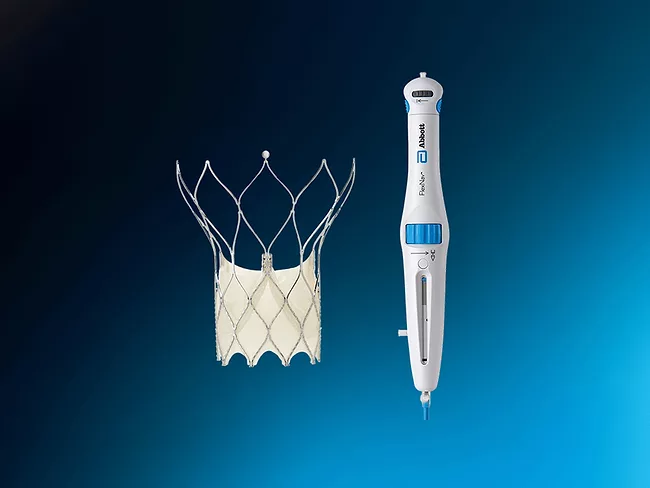
Roughly a decade has passed since the FDA first approved a transcatheter aortic valve replacement (TAVR) device, but the U.S. market has proven difficult to access for more than a small number of manufacturers. Abbott Laboratories, of Abbott Park, Ill., is now a player in the market with the FDA’s approval of the Portico device, a product that was first implanted in a human subject in 2011, a clear demonstration of the difficulty of moving these devices from research and development to the market.
The U.S. FDA has cleared Memed Diagnostics Ltd.'s blood test for distinguishing between bacterial and viral infections. The diagnostic test has been tipped as an essential step in the fight against antimicrobial resistance. While most infectious disease tests look for the pathogen, Memed BV is an advanced host immune response test that measures the levels of immune system proteins and applies proprietary algorithms to generate an immune signature.
 RSS
RSS