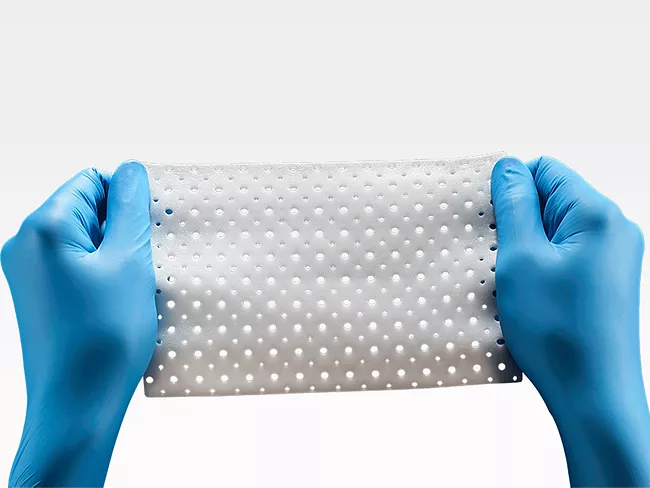
Despite that the device has been available for more than a decade under the 510(k) program, an FDA advisory committee voted narrowly that the benefits of the Surgimend device for breast reconstruction do not outweigh the risks. Another interesting feature of the application is that the pivotal study was based on real-world evidence (RWE), but while the FDA had direct access to the data, Integra Lifesciences Holdings Corp. did not, thus raising questions about whether RWE is necessarily useful for class III device premarket applications.
The FDA issued an Oct. 18 reminder to the diagnostics industry that the agency still requires test developers to register with an institutional review board (IRB) for all studies of human subjects. This still pertains to studies that make use of leftover, de-identified specimens in FDA-regulated studies, an alert to industry which suggests that enforcement actions may be in the near offing.
The FDA published a draft rule on Oct. 19 for over-the-counter hearing aids, four years after the Food and Drug Administration Reauthorization Act (FDARA) had directed the agency to do so by 2020. One of the potentially more problematic aspects of the draft is that the rule would be preemptive of state law on several points, including consumer protections, a consideration that could serve as a flashpoint in future litigation.
The U.S. Centers for Medicare & Medicaid Services’ (CMS) withdrawal of a proposal to provide automatic coverage of FDA-designated breakthrough devices has drawn criticism from device makers, but the industrial reaction runs the gamut.
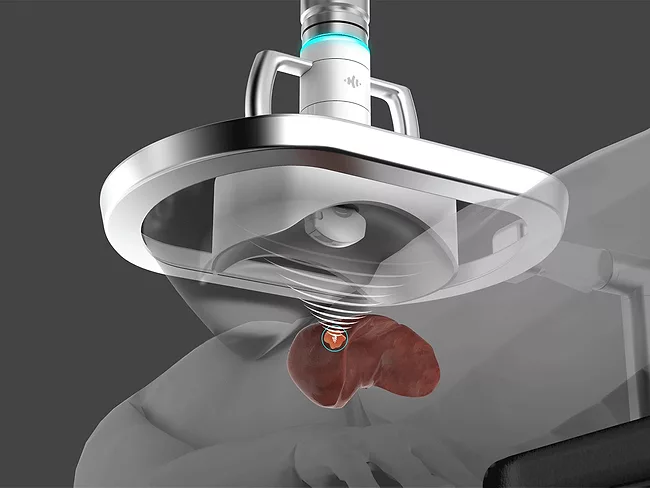
The FDA granted breakthrough device designation to Histosonics Inc. for the first system to harnesses microbubbles created by pulsed ultrasound waves to wreak very targeted cellular destruction, with real-time visualization and control. The therapy, called histotripsy, destroys tissue in the liver without heat, radiation or surgery. The technology was developed at the University of Michigan.
The question of bias in artificial intelligence (AI) algorithms is generally thought to be overcome by ensuring that the data set used to train the algorithm is representative of the population at large. However, Naomi Aaronson, executive director of clinical evaluation at the Blue Cross Blue Shield Association, said its not that simple because demographic data can combine in unpredictable ways and thus “the only real understanding of whether it works is in the clinical validation” of the algorithm in various settings.
Feops SA reported that its Heartguide product has received de novo authorization from the FDA for pre-operative planning of left atrial appendage occlusion (LAAo) with the Boston Scientific Corp. Watchman device. The software platform is designed to help physicians virtually model clinical scenarios with different implant positions and sizes of the Watchman device using digital twin technology based on patient-specific virtual replicas of the heart. It is currently commercially available in the EU, U.K., Canada and Australia for transcatheter aortic valve implantation and LAAo workflows.
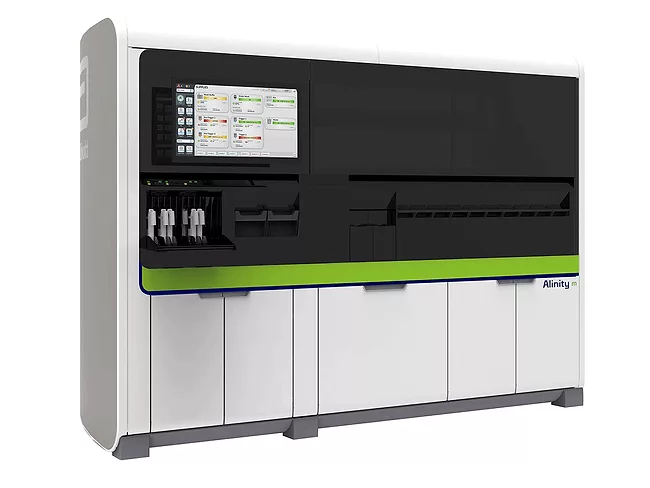
The FDA reported Oct. 14 that software used with the Alinity m test kit by Abbott Laboratories is being recalled for the potential for false positive results, a problem due to software used to automate the processing of the test. This recall was originally issued in mid-September, but the Abbott Park, Ill.-based company is advising labs to treat any test result as presumptive at best.
The FDA’s device center has posted a draft guidance that addresses unique device identifier (UDI) code requirements applied to low-risk products. The select update offers enforcement discretion in some instances for class I consumer health products, a switch partly justified by the exceedingly low risk presented by such products.
Device makers have argued for years that not all medical device recalls are the same, and thus the FDA should be more forthcoming with the public about the difference between a recall that is accompanied by a market withdrawal and a recall that driven by something as innocuous as a minor adjustment to the product label.
 RSS
RSS