Entities that lack experience in FDA regulation of medical devices may find the going both expensive and time consuming, but there are resources available to these players in the digital health space. Bakul Patel, director of the Digital Health Center of Excellence at the FDA’s device center, said that while he understands that reading through agency guidance is an unpleasant task, the companies that take the time to do so may find their interactions with the agency less iterative and more productive, thus speeding their path to market.
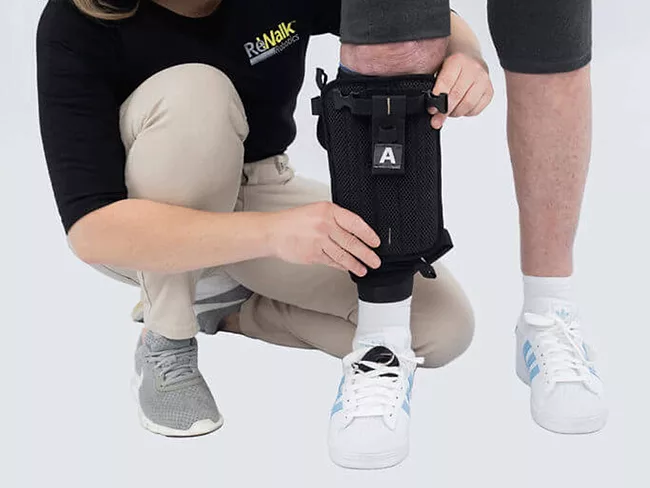
Shares in Rewalk Robotics Ltd. are on the rise after the FDA awarded its Reboot exoskeleton device breakthrough device designation status. The wearable, battery-powered device is designed to assist individuals with lower limb disability due to stroke.
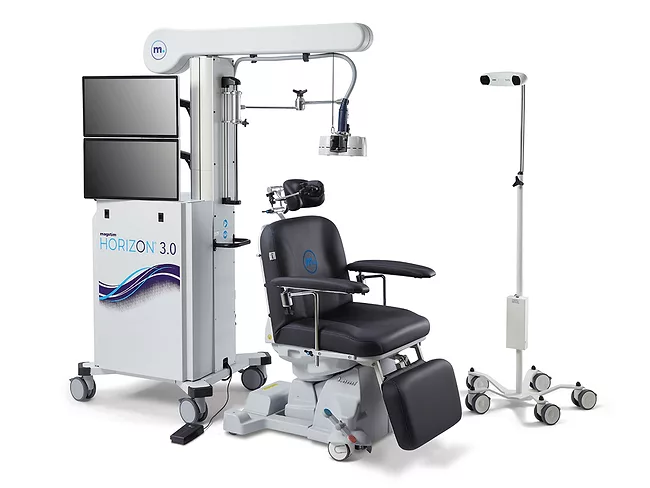
The FDA has granted Magstim Co. Ltd. 510(k) clearance for its transcranial magnetic stimulation (TMS) platform Horizon 3.0. TMS is a series of repetitive, focused magnetic pulses, used to stimulate brain cells. The noninvasive therapy has been touted as a cost-effective treatment for depression and is typically prescribed when antidepressants have failed, or the side effects are too disruptive to a patient’s lifestyle.
The FDA convened a Nov. 2 advisory panel to review the data for the AFX2 by Endologix LLC, of Irvine, Calif., with some indication that the agency believes the data suggest a poor benefit-risk ratio when used in treatment of abdominal aortic aneurysms (AAAs). The panel concluded that the benefits of the device do outweigh the risks for some patients, although the applicable patient population is likely to be smaller than is currently seen in clinical practice.
The FDA has granted a breakthrough device designation for Renovia Inc.’s digital therapeutic system Leva as a first-line treatment for chronic fecal incontinence (FI) in women. Fecal incontinence, also known as bowel leakage, is a progressive condition ranging from occasional leaks to a complete loss of bowel control. Common causes include diarrhea, constipation, and muscle or nerve damage that may be associated with aging or giving birth.
The FDA has undertaken several new actions in connection with breast implants, including a new restriction on distribution to implant centers that review a pre-implant checklist with patients receiving implants. However, the agency has also mandated that manufacturers add a black-box warning of potential adverse events, such as the risk of developing anaplastic large cell lymphoma (ALCL).
Negotiations between the FDA’s device center and the med-tech industry over the next device user fee schedule are dragging on, but the gap between the two sides may have narrowed. The FDA had previously proposed a package that ran more than double the current total user fee volume, and industry has responded with a proposal that would provide the agency with $1.65 billion in user fees over five years, leaving the two sides with a gap of more than $800 million to bridge.
The FDA’s device center has posted its annual fiscal year guidance agenda, and there are several carry-over items from fiscal 2021. The most conspicuous element of the FY 2022 agenda may be that a draft guidance for change control for artificial intelligence (AI) algorithms rates an entry on the B list rather than the A list, suggesting that the draft is not likely to emerge any time in the next 12 months.
Celltrion Inc. recently received FDA emergency use authorization (EUA) for its Diatrust COVID-19 Ag home test. “With the FDA approval, we will now prioritize getting the test kits to the U.S. and into users’ hands as soon as possible,” a spokesperson for the Incheon, South Korea-based Celltrion told BioWorld. The test kits will be distributed through Celltrion’s U.S. arm, Celltrion USA Inc. Celltrion is currently in the final stage of negotiations with the U.S. government, as well as online and offline distributors.
The brain-computer interface (BCI) is the subject of keen medical interest for those dealing with neurological damage, but military applications are also a point of interest among a number of national governments. With all this in mind, an agency at the Department of Commerce has posted a request for comments regarding a possible imposition of export controls on BCI devices due to national security concerns, a proposal that could complicate exports of such devices for medical use.
 RSS
RSS