The FDA granted Cardialen Inc. an investigational device exemption (IDE) to begin a clinical trial of its Multipulse Therapy (MPT) to treat paroxysmal and persistent atrial fibrillation (AF). MPT is a low-energy electrical pulse therapy aimed at restoring abnormally rapid heart rates, such as AF, to a regular rhythm to reduce the potential for high-energy shocks. Studies have shown that almost 1 in 4 patients experience anxiety or depression after receiving an implantable cardioverter defibrillator (ICD).
The FDA granted Blackrock Neurotech LLC breakthrough device designation for its Moveagain brain-computer interface (BCI) system as it targets 2022 for commercialization of the neural implant. Earlier this year, the Salt Lake City-based company received $10 million from investors including, Re.Mind Capital, Sorenson Impact and Facebook investor Peter Thiel to expand its clinical program. The company said its technology could be key to providing tetraplegic patients the ability to control devices directly from the brain.
Patients and investors in Alung Technologies Inc. can breathe a little easier now that the company’s Hemolung respiratory assist system has won a de novo approval from the FDA. The FDA approval comes more than eight years after Hemolung received CE mark and Health Canada approval. Hemolung gained FDA emergency use authorization for patients with COVID-19 in April 2020.
The U.S. Centers for Medicare & Medicaid Services (CMS) finally laid to rest the rule for Medicare Coverage of Innovative Technology (MCIT), a policy proposal that found favor with industry and with several patient groups. However, the news comes shortly after a bipartisan group of 10 senators had penned a letter to the agency to reissue the rule, reinforcing the prospect that the MCIT proposal will find widespread support in the halls of Congress in 2022.
The U.S. Department of Health and Human Services (HHS) has withdrawn its August 2020 rescission of the FDA’s authority to regulate lab-developed tests (LDTs), a reversal predicated on the need for additional testing capacity for the COVID-19 pandemic. However, the non-COVID implications are not clear as the FDA is not widely seen as having the capacity to regulate LDTs for non-pandemic purposes, while pending legislation would dramatically overhaul the agency’s approach to LDT regulation, making the current regulatory environment an unstable environment at best. The FDA accompanied the announcement with a statement that the emphasis at the agency is on tests that do not require that the patient sample be sent to a lab for processing.
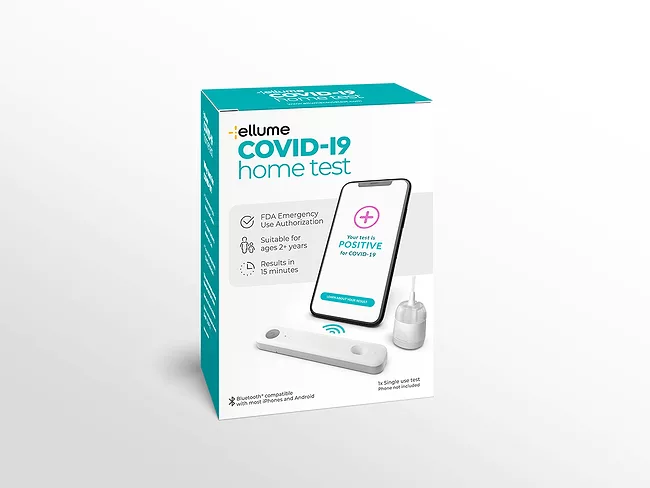
The FDA categorized the recall of more than 2.2 million Ellume Pty Ltd. COVID-19 Home Tests that began Oct. 5 as a class I recall, “the most serious type of recall.” While the agency has received significant criticism lately about ambiguity in recalls that often leaves consumers uncertain about their seriousness, the FDA eliminated all doubt on this one saying, “use of these tests may cause serious adverse health consequences or death.” The FDA said it received 35 reports of false positives associated with the antigen test. No deaths have been reported.
The FDA’s device center has revisited the 2005 guidance for the content of premarket submissions for device software functions, a document that puts much more emphasis on risk compared to the legacy 2005 guidance.
U.S. President Joe Biden on Nov. 12 announced his intent to nominate former FDA Commissioner Robert Califf to return to the regulator’s top job. He would take the place of Janet Woodcock, acting commissioner of the agency since Jan. 20.
Endovascular stent grafts for abdominal aortic aneurysms don’t generate the fanfare that other circulatory system devices create, but an FDA advisory panel recently made some extensive recommendations regarding postmarket follow up for these devices.
The FDA has taken a hands-off approach to general wellness products that take up residence in smartphones, but that doesn’t mean these products aren’t subject to regulatory drift.
 RSS
RSS