The FDA granted 510(k) clearance to Metame Health Inc.’s Regulora, the company’s prescription digital therapeutic (PDT) for abdominal pain associated with irritable bowel syndrome (IBS). Regulora provides gut-directed hypnotherapy in a smartphone app that is designed to help patients better manage their symptoms and address miscommunication between the brain and gut that contributes to sensations of pain.
Device makers have historically struggled to maintain adequate procedures for corrective and preventive action (CAPA) and complaint handling (CH), and two warning letters posted to the FDA website suggest these are still sore spots. Invacare Corp., of Elyria, Ohio, and Smiths Medical ASD Inc., of Minneapolis, were both cited for CAPA and CH deficiencies.
While the FDA’s reaction to the results of the Nov. 30 advisory hearing for the COVID-19 therapy molnupiravir is difficult to predict, demand for rapid antigen tests may jump considerably when this or any such product is approved. That increased demand could crunch supplies of these tests due to the convergence of any such approvals, the upcoming holiday season, and the 2021-22 flu season, a convergence that could hamper efforts to roll out these new therapies.
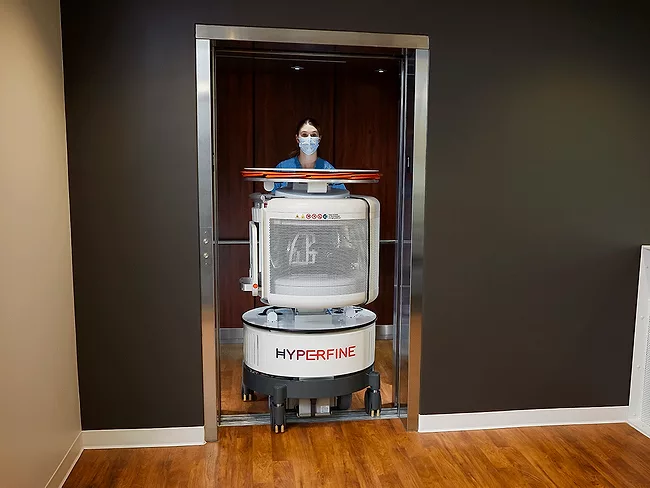
The FDA cleared Hyperfine Research Inc.’s advanced image reconstruction technology using deep learning for its portable magnetic resonance imaging device, Swoop. The bedside MRI unit’s artificial intelligence application received clearance in January and is used with deep learning to improve image quality and diagnostic value. Hyperfine and Liminal Sciences Inc., which share a founder in serial entrepreneur Jonathan Rothberg, are both combining with special purpose acquisition company Healthcor Catalio Acquisition Corp. to go public in a deal valued at $580 million. The companies reported on Nov. 29 that the Securities and Exchange Commission declared the registration statement on form S-4 for the combination to be effective and the SPAC’s shareholders will vote on the transaction on Dec. 21.
The FDA has continued a series of device risk classifications with the formal announcement that general containment systems used with power morcellators will henceforth be deemed class II, moderate-risk devices.
U.S. trading partners are raising concerns about the FDA’s continued delays in inspecting foreign drug manufacturing facilities due to the COVID-19 pandemic and related travel restrictions.
The FDA gave Pear Therapeutics Inc. a second breakthrough device designation with the company’s Reset-A prescription digital therapeutic (PDT) for alcohol use disorder getting the regulatory agency’s speed pass. The news comes a week out from the vote of stockholders of blank-check company Thimble Point Acquisition Corp. Inc. on a combination with Pear that will take the digital therapeutic company public.
Medical science has not yet convincingly duplicated the remarkable properties of cartilage, an omission that sustains an epidemic of life-altering knee replacement surgeries. Anthony Ratcliffe, CEO of Synthasome Inc., of Del Mar, Calif., said on a recent FDA webinar that companies might want to consider the lowly goat as the animal model of choice in preclinical studies of cartilage products because “the cost, ease of management, and the social aspects were all manageable” with goats.
The FDA has issued new risk classification orders for two series of products, including in vitro diagnostics for hepatitis C, two of which the agency down-regulated from class III to class II. However, blood lancets for multiple uses on more than one patient has been elevated from class I to class III, a change that has no impact on any products currently available on the U.S. market.
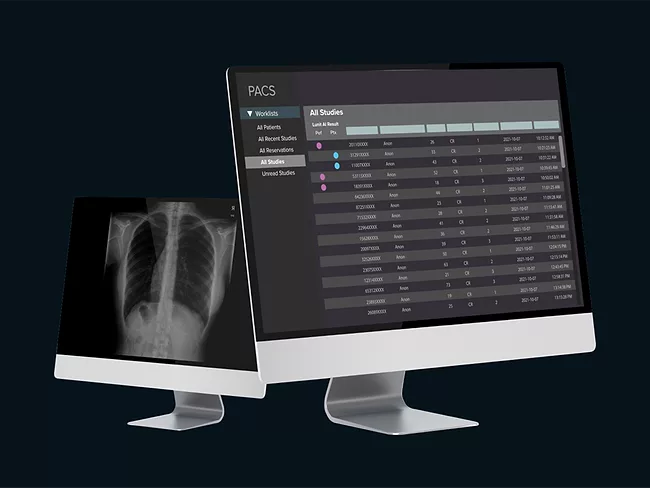
Lunit Inc. has won FDA approvals for the company’s breast cancer detection product Lunit Insight MMG and the triage and notification software Lunit Insight CXR Triage, only days apart. Lunit Insight MMG is an artificial intelligence (AI) product for breast cancer detection from mammography images. Lunit’s second approval is for Lunit Insight CXR Triage, its AI-powered chest X-ray triaging product.
 RSS
RSS