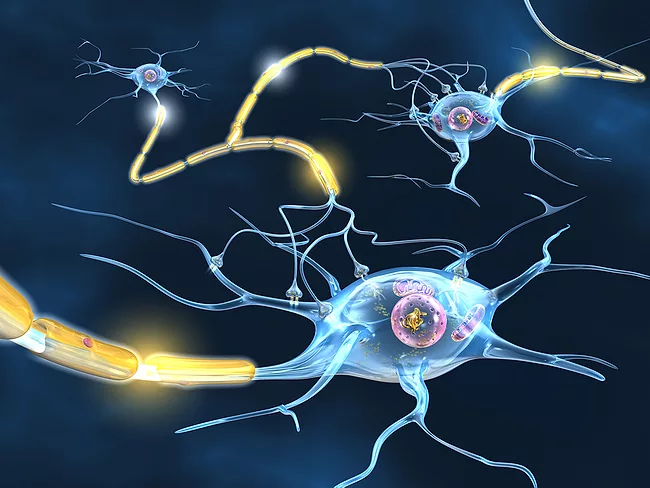
Psychedelic drugs could have two distinct overlapping effects based on their affinity for two receptors involved in neuronal plasticity. Scientists at the University of Helsinki have observed that lysergic acid diethylamide (LSD) and psilocin (a drug isolated from the mushroom Psilocybe mexicana) have an antidepressant effect that is independent of their hallucinogenic outcome. These two different pathways are established through their binding to the tyrosine kinase receptor (TrkB), which has an antidepressant nature, or to the serotonin receptor, with a hallucinogenic activity.
Despite the title of the Sunday, June 4 lead-off presentation at the American Society of Clinical Oncology (ASCO) meeting in Chicago, there was little room left for doubt about the increasingly important place of artificial intelligence (AI) in drug development. The program, Artificial Intelligence for Drug Development: Fad or Future, ultimately pointed to a positive future, with the only faddish part being discarded approaches that no longer work.
Vanda Pharmaceuticals Inc.'s antisense oligonucleotide (ASO) VCA-894A has been awarded orphan drug designation by the FDA for the treatment of Charcot-Marie-Tooth disease, axonal, type 2S (CMT2S), caused by cryptic splice site variants within IGHMBP2.
Researchers at Abbvie Inc. and Calico Life Sciences LLC have described protein tyrosine phosphatase inhibitors, particularly tyrosine-protein phosphatase non-receptor type 2 (PTPN2; TCPTP) and/or PTPN1 (PTP-1B), reported to be useful for the treatment of non-small-cell lung cancer (NSCLC).
 RSS
RSS