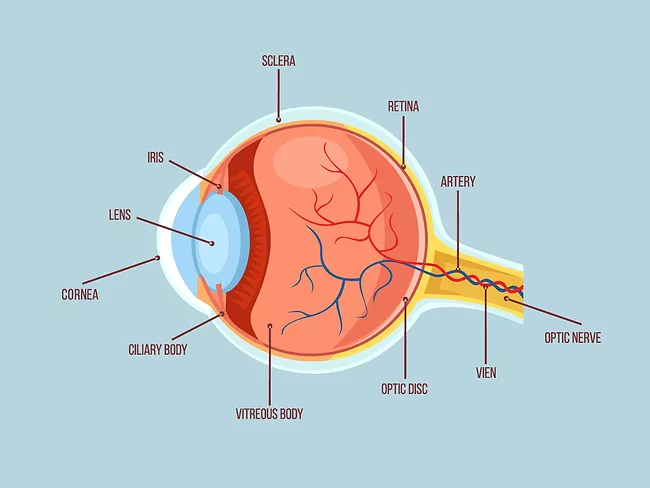
Traumatic optic neuropathy (TON) is a serious complication combining craniocerebral, orbital and facial injuries. While there is currently no reliable animal model of this condition, it has been previously demonstrated that TON can cause the loss of retinal ganglion cells (RGC). In the current study, researchers from Shanghai Jiaotong University developed a novel mouse model of distal TON, with the aim of assessing the cascade reactions of RGCs in this disease.
Scientists based at Beijing Institute of Radiation Medicine have reported preclinical evaluation of a novel recombinant activated human factor VII (rFVIIa), GEN-0828, being developed as potential candidate for the treatment of hemophilia and trauma hemorrhage. GEN-0828 is rFVIIa that was mainly produced from Chinese hamster ovary (CHO) cells.
Pancreatic cancer is an exceptionally lethal cancer that is notoriously treatment resistant, in part due to poor vascularization in the tumor microenvironment. Investigators working at the Moores Cancer Center at the University of California, San Diego (UCSD), reported in the Jan. 16, 2023, issue of Nature Cell Biology on the discovery of a pathway that was initiated by isolation stresses (e.g., hypoxia, nutrient deprivation, and/or lack of extracellular matrix, ECM) leading to this cellular transformation in the tumor-initiating pancreatic cancer cell.
University of Maryland has identified proteolysis targeting chimeras (PROTACs) acting as apoptosis regulator Bcl-2, Bcl-2-like protein 1 (BCL2L1) and induced myeloid leukemia cell differentiation protein Mcl-1 degradation inducers.
Carrick Therapeutics UK Ltd. has synthesized cyclin-dependent kinase 12 (CDK12) and/or cyclin-dependent kinase 7 (CDK7) inhibitors reported to be useful for the treatment of autoimmune diseases, cardiovascular disorders, fragile X syndrome, muscular dystrophy, neurodegeneration, renal disorders and cancer.
Shanghai Leadopharma Technology Co. Ltd. has presented transient receptor potential cation channel subfamily A member 1 (TRPA1) antagonists reported to be useful for the treatment of irritable bowel syndrome, Crohn's disease, ulcerative colitis, pain and inflammation.
Scorpion Therapeutics Inc. has disclosed urea derivatives acting as phosphatidylinositol 3-kinase α (PI3Kα) (H1047R mutant) inhibitors reported to be useful for the treatment of cancer.
University of Copenhagen has divulged 4-hydroxypyridine and 4-hydroxyquinoline derivatives acting as G-protein coupled receptor 84 (GPR84) antagonists reported to be useful for the treatment of fibrosis, diabetes, inflammatory and cognitive disorders.
Researchers from Guangzhou University of Chinese Medicine have presented preclinical results on a three-component vaccine, MPLA-Tn-KRN7000, as a tumor immunotherapeutic.
Poolbeg Pharma plc is expanding its evaluation of POLB-001 into oncology after findings indicated POLB-001's potential to dampen the pro-inflammatory cytokine release syndrome (CRS) in patients receiving chimeric antigen receptor (CAR) T-cell therapies for cancer.
 RSS
RSS