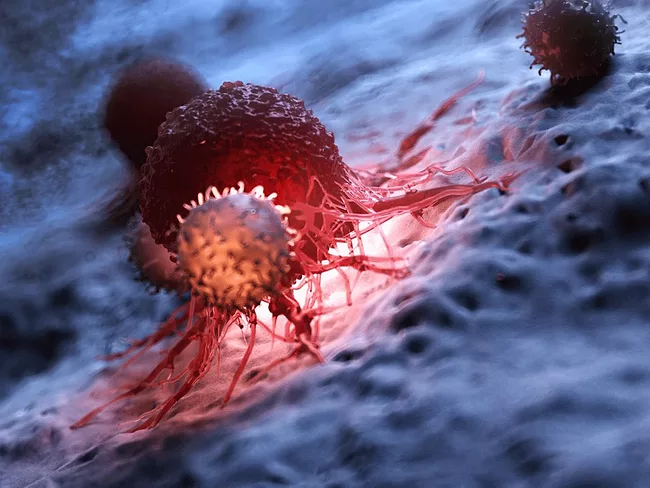
Genetically modified derivatives of the chimeric oncolytic virus (OV) CF33 have previously shown cancer selectivity and oncolytic potency against various solid tumors.
An analysis of more than 1,000 small molecules has identified dozens of compounds that could be effective to treat Marfan syndrome (MFS), an inherited disorder affecting connective tissue, primarily in the heart and blood vessels, the skeleton, and the eyes. In particular, the researchers from Cambridge University found that glycogen synthase kinase-3β (GSK-3β) could be a target to develop new therapies based on its inhibition.
Tyra Biosciences Inc. has described indazole compounds acting as fibroblast growth factor receptors (FGFR) inhibitors reported to be useful for the treatment of cancer.
Tuojie Biotech (Shanghai) Co. Ltd. has divulged cyclin-dependent kinase 2 (CDK2)/cyclin E inhibitors reported to be useful for the treatment of cancer and immunological disorders.
Uppthera Inc. has identified proteolysis targeting chimera (PROTAC) compounds comprising an E3 ubiquitin ligase-binding agent coupled to serine/threonine-protein kinase PLK1 (STPK13) targeting moiety through a linker, acting as novel PLK1 protein degradation-inducing compounds with use for the treatment of cancer and neurological disorders.
Shanghai Institute of Materia Medica of the Chinese Academy of Sciences and Wuhan Institute of Virology of the Chinese Academy of Sciences have synthesized amide compounds reported to be useful for the treatment of dengue virus infection, skin inflammation, inflammatory joint disease, inflammatory bowel disease and autoimmune disease.
 RSS
RSS