While simultaneous targeting of PD-1 and TGF-β has been previously suggested to be a favorable strategy to reverse immune checkpoint inhibitor (ICI) resistance of tumors, the hydrophobicity of TGF-β inhibitors and latent drug-related adverse events of this treatment hindered its utility.
Researchers from the University of Coimbra presented data from a study that aimed to assess the role of the ghrelin/neuropeptide Y (NPY) system in adipose tissue in subjects with obesity and metabolic syndrome.
Cell death induced by hypoxia is quite a common problem during pancreatic islet transplantation and is caused by insufficient revascularization of the grafts. It has been reported that the loss of NLR family pyrin domain containing 3 (NLRP3) in pancreatic islet cells protects them from hypoxia-induced cell death, so it was hypothesized that blockade of NLRP3 would improve pancreatic islet transplantation.
Cell cycle-associated protein 1 (CAPRIN1) is an ubiquitously expressed protein, the levels of which are usually high in tissues with an elevated cell turnover; it is also abundant in the brain, where it regulates the transport and translation of synaptic protein mRNA.
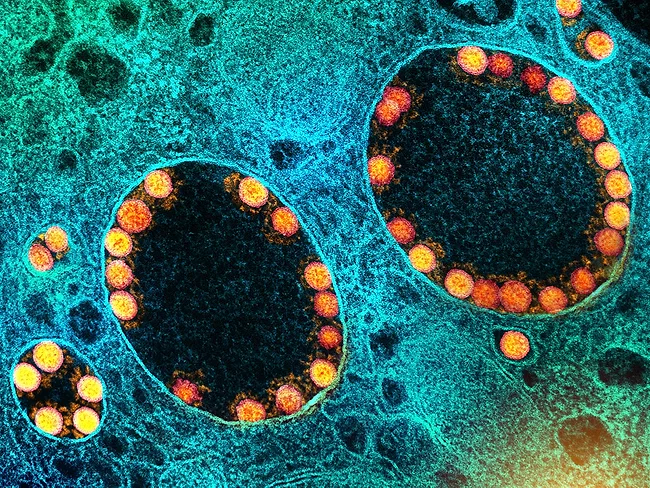
Maxwell Biosciences Inc. has announced data on the utility of its Claromer drug discovery platform for the treatment and prevention of SARS-CoV-2, and potentially other respiratory viruses, through a series of preclinical in vitro and in vivo studies.
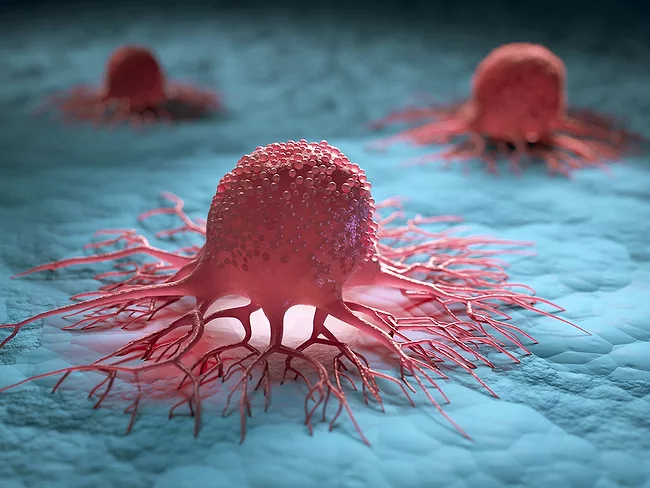
Cancer-associated fibroblasts (CAF) expressing the LRRC15 protein (leucine-rich repeat-containing protein 15) could be responsible for the suppression of antitumor immunity, according to a study using mouse models of pancreatic cancer. Scientists from Roche Holding AG subsidiary Genentech Inc. demonstrated in vivo that TGF-β type 2 receptor signaling in healthy universal fibroblasts produces cancer-associated LRRC15+ myofibroblasts.
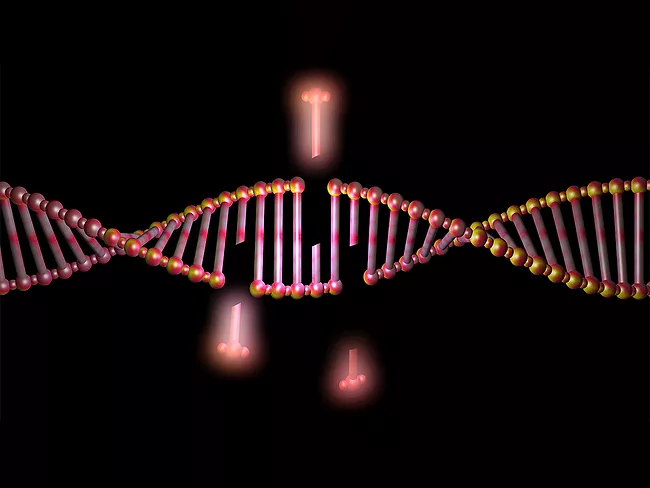
New research indicates faults in repairing DNA breaks that are caused by oxidative stress in the noncoding parts of the genome are directly involved in the development of neurological diseases. The discovery of the significance of problems in repairing single-strand breaks in ‘junk’ DNA opens up a new area of biology that will lead on to new drug targets, according to Sherif El-Khamisy, professor of molecular medicine and deputy director of the Health Lifespan Institute at the University of Sheffield, U.K., who is co-author of a Sept. 29, 2022, paper in Nature describing the discovery of a gene that sits at the heart of the repair process.
Almirall SA and Simcere Pharmaceutical Group Ltd. have entered into an exclusive licensing agreement for Simcere's IL-2 mutant fusion protein (IL-2 mu-Fc) autoimmune drug candidate, SIM-0278.
Researchers from the University of Zurich presented data from a study that aimed to investigate the impact of liver-specific apoptosis signal regulating kinase 1 (ASK1) overexpression on the development of high-fat diet (HFD)-induced obesity and impaired glucose metabolism.
 RSS
RSS