Incyte Corp. has synthesized Mas-related G-protein coupled receptor member X2 (MRGPRX2) antagonists reported to be useful for the treatment of inflammatory disorders.
Genentech Inc. has disclosed molecular glue compounds with the ability to induce cyclin-dependent kinase 2 (CDK2)/protein cereblon (CRBN) interaction for CDK2 degradation reported to be useful for the treatment of cancer.
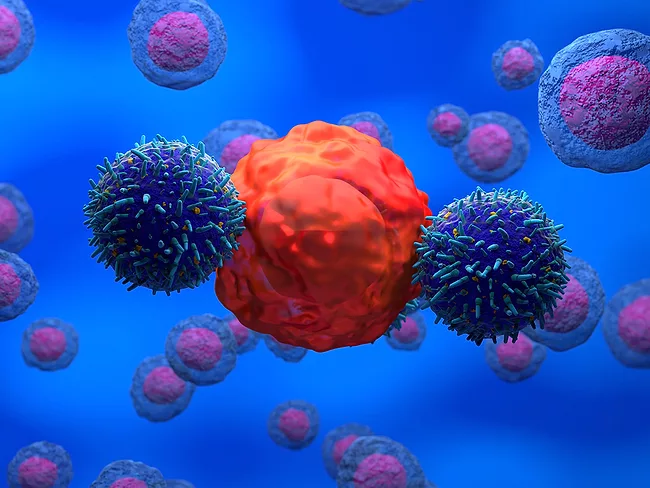
A team at Baylor College of Medicine conducted research to identify novel cell-surface cancer/germline antigens (CGAs) expressed in triple-negative breast cancer (TNBC) that could serve as targets for development of CAR T therapies against this disease.
In work conducted by Jining Medical University investigators, synthesis and optimization of a previously reported ATP-competitive pyrrolo[2,3-b]pyridine-based glycogen synthase kinase 3β (GSK-3β) inhibitor led to the discovery of compound [I], a candidate with significant inhibitory activity on GSK-3β (IC50=0.35 nM), with its inhibitory effect being approximately 12-fold greater than that of broad-spectrum GSK-3β inhibitor staurosporine and 189-fold greater than that of the parent compound.
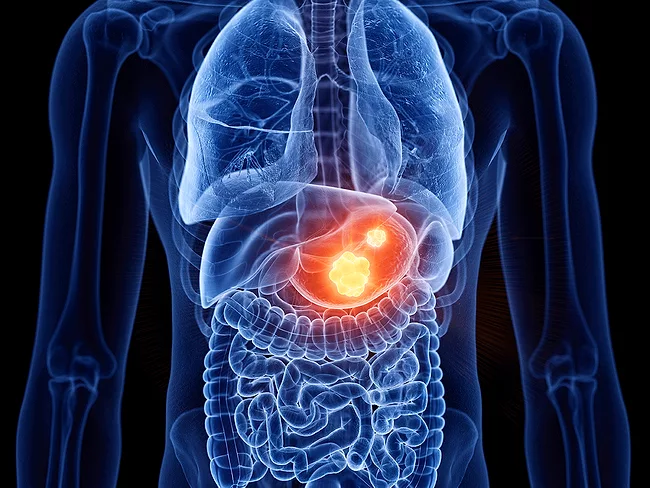
In recently published work from Air Force Medical University, analysis of tumor tissues isolated from different patient-derived xenografts revealed significantly increased expression of FXYD5 in the metastatic tumors compared to the primary tumors, and analysis of patient database confirmed significantly elevated expression of FXYD5 in gastric cancer tissues compared to normal gastric tissues.
Hypothermia is a marker of injury severity in patients with sepsis and shock, and for which debate still exists regarding its harmfulness and need for treatment. Hypothermia is also considered for many a defense mechanism. Animals given bacterial endotoxins usually exhibit cold-seeking behaviors.
Although several vaccines and drugs are available against SARS-CoV-2, the search for effective therapeutic agents for COVID-19 and future zoonotic coronaviruses continues. The RNA-dependent RNA polymerase (RdRp) is a relevant drug target in several RNA viral infections, such as SARS-CoV-2 (targeted by the approved drugs remdesivir and molnupiravir), hepatitis C, influenza and dengue viruses.
Pancreatic cancer is still among the most lethal cancers, with >45% of patients presenting distant metastasis at diagnosis, and with a 5-year survival rate of 13%. Known for its role in appetite and energy homeostasis, neuropeptide Y (NPY) is the most common neuropeptide in the central and peripheral nervous system, acting through its receptor NPY1R, among others.
Opko Health Inc. and Entera Bio Ltd. have entered into a collaboration and license agreement to advance an oral dual agonist GLP-1/glucagon peptide as a once-daily tablet into the clinic for patients with obesity, metabolic and fibrotic disorders.
In atopic dermatitis, psoriasis and other dermatologic diseases, T cells lose tolerance to self-antigens, triggering the autoimmune response that leads to abnormal skin cell proliferation and inflammation. The use of Nck modulators may help correct dysregulated T-cell receptor (TCR) signaling, potentially restoring immune tolerance and reducing subsequent inflammatory responses.

 RSS
RSS