The U.K. has released a huge repository of children’s genomic data after sequencing blood samples from three large cohorts recruited at birth and followed across three decades. The power of the data is amplified by the large volume of longitudinal health information, biological samples and responses to surveys and questionnaires that has been provided by participating families. Before this, large-scale publicly available genome sequences were limited to adult cohorts, and the only childhood genome sequence data was from children with rare diseases.
Sanofi SA has described Mas-related G-protein coupled receptor member X2 (MRGPRX2) antagonists reported to be useful for the treatment of allergy, pain, dermatological and inflammatory disorders.
University of Arizona has identified non-structural protein 3 (nsp3; PL-pro) (SARS-CoV-2; COVID-19 virus) inhibitors reported to be useful for the treatment of SARS-CoV-2 infection (COVID-19).
SK Biopharmaceuticals Co. Ltd. has disclosed S-adenosylmethionine synthase isoform type-2 (Mat2A) inhibitors reported to be useful for the treatment of cancer.
Researchers from Medical University of Vienna and affiliated organizations have presented findings from a study that aimed to assess the perilymph and tissue distribution of AC-102, a small and lipophilic intratympanically delivered pyridoindole derivative, in clinical development at Audiocure Pharma GmbH for the treatment of idiopathic sudden sensorineural hearing loss.
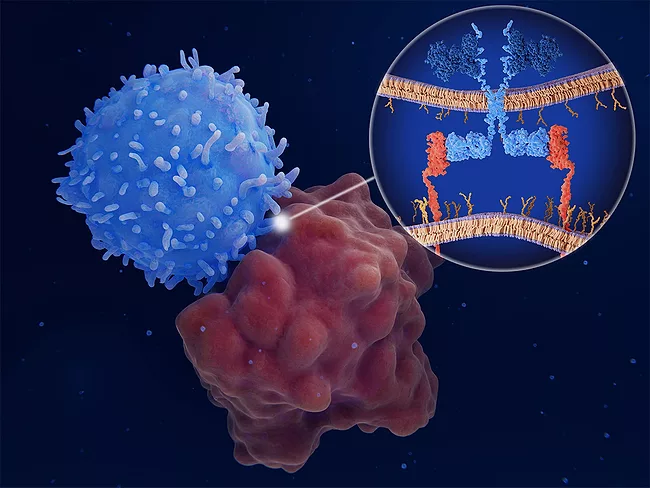
Bioheng Therapeutics US LLC has obtained IND approval from the FDA for CTD-402, a CD7-targeted universal CAR T-cell therapy, for the treatment of pediatric and adult patients with relapsed or refractory T-cell acute lymphoblastic leukemia/lymphoma.
Lirum Therapeutics Inc. has presented data regarding their insulin-like growth factor receptor (IGF-1R) antagonist LX-101, which couples an IGF-1 variant to a cytotoxic methotrexate payload. The antitumoral activity of LX-101 was investigated in Ewing sarcoma and desmoplastic small round cell tumor.
 RSS
RSS