Scientists from F. Hoffmann-La Roche Ltd. and Hoffmann-La Roche Inc. have patented NLRP3 inflammasome and interleukin-1β (IL1B; IL-1β) release inhibitors reported to be useful for the treatment of asthma, chronic obstructive pulmonary disease, Alzheimer’s and Parkinson’s diseases.
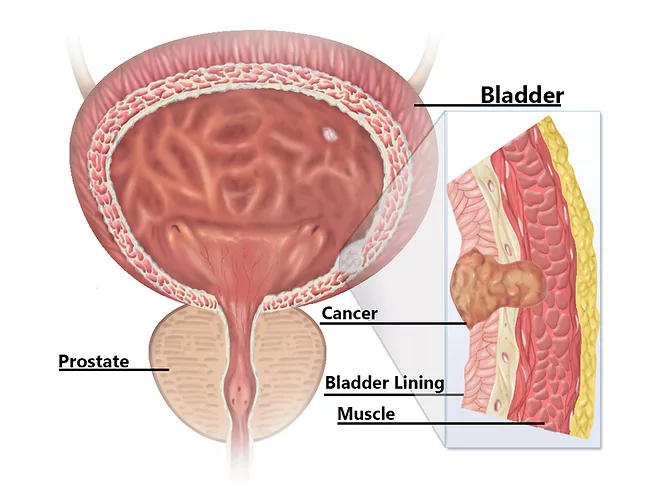
Bladder cancers (BCs) that invade the muscle layer are classified as muscle-invasive bladder cancers (MIBCs). The MIBC subtype accounts for around 25% of all BC cases, with a significant proportion of patients presenting distant metastases.
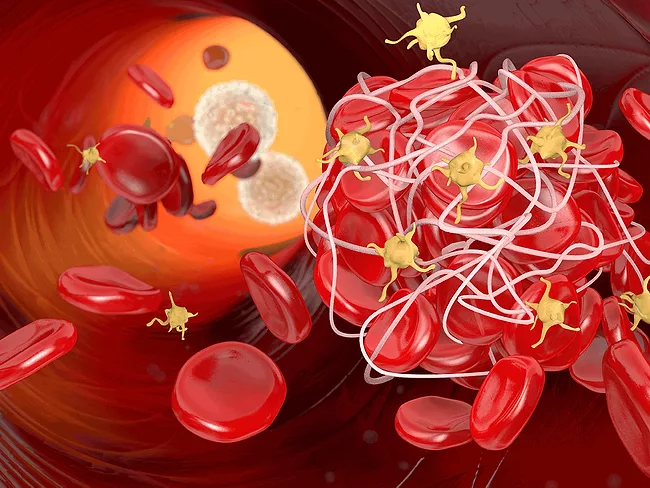
It has been previously shown that the nuclear receptor subfamily 4 group A (NR4A) plays an important role in cardiovascular pathophysiology. Researchers from Shanghai Jiao Tong University thus aimed to assess the expression profile of NR4A in platelets and the biological functions of this nuclear receptor in platelet aggregation.
Metabolic reprogramming in cancer involves glycolytic enzymes acquiring noncanonical functions and acting as protein kinases, which contribute to tumor progression and present new therapeutic opportunities. While hexokinase domain-containing protein 1 (HKDC1), a hexokinase family member, has been implicated in tumor growth and immune evasion, its nonmetabolic roles remain poorly understood.
Sineugene Therapeutics Co. Ltd. has obtained IND clearance from the FDA for SNUG-01, a first-in-class tripartite motif protein 72 (TRIM72)-targeted gene therapy candidate for amyotrophic lateral sclerosis (ALS). A phase I/IIa trial will evaluate SNUG-01 in adults with ALS.
Asthma affects about 300 million people worldwide. Inflammation in asthma may drive irreversible airway remodeling due to subepithelial fibrosis, extracellular matrix degradation and increased smooth muscle cell mass levels, among others. In vitro and in vivo assays were performed to test MutT homolog 1 (MTH1) as a therapeutic target in allergic airway inflammation.
Neuronos Ltd., a subsidiary of Beyond Air Inc.’s, has secured an initial $2 million in equity financing from private investors as part of a larger funding round. This investment will accelerate the preclinical development of Neuronos’s small-molecule drug for autism that leverages the regulation of nitric oxide (NO) levels in the brain. The company’s small-molecule therapy is based on research from Hebrew University.
Hillstar Bio has successfully closed a $67 million series A financing round to support its development of next-generation precision immunology therapies for autoimmune diseases. The company’s approach selectively targets and depletes pathogenic immune cells with the potential to reset the immune system.
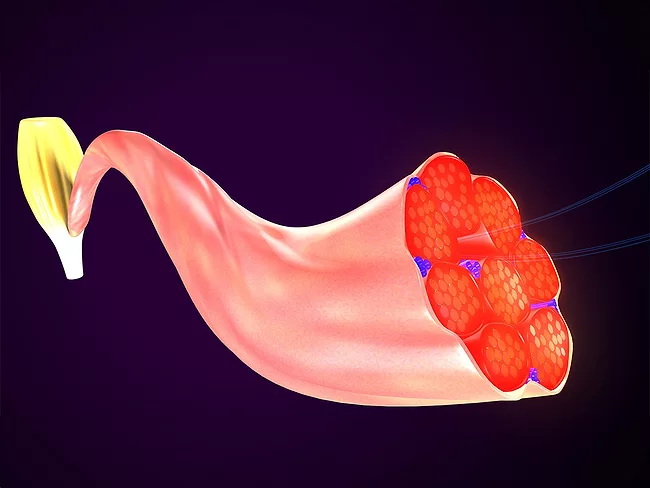
Prostaglandins induce the regeneration of muscle in rodents and humans through the prostaglandin E2 receptor EP4 subtype receptor, but this therapeutic pathway's potential is limited due to systemic tolerability. Researchers from Mesentech Inc. recently presented new results on their prostaglandin E2 receptor EP4 subtype receptor agonist irodanoprost trying to address this limitation issue.
Focal segmental glomerulosclerosis (FSGS) is a kidney disease that leads to renal failure, and it affects individuals from different ancestries, the highest prevalence being among African and African American populations. DNA samples from 726 patients with FSGS were obtained and DNA sequencing was performed in the search of mutations tied to FSGS compared to a large pool of control populations.

 RSS
RSS