A group of researchers in China have looked into the role of apolipoprotein B100 (ApoB100) in ovarian cancer following reports of excessive levels of ApoB100 inducing endoplasmic reticulum stress and cell death in liver cancer and of a positive correlation between ApoB100 levels and survival time of patients with high-grade epithelial ovarian cancer.
Scientists at the University of Pittsburgh have tested a broadly neutralizing antibody that binds the stem of a protein against H5N1 avian influenza, which prevented severe disease in nonhuman primates and was effective for at least 8 weeks. The scientists remark on the potential of the design developed by Astrazeneca plc against a possible outbreak of the influenza A virus.
Shanghai Qilu Pharmaceutical Research and Development Centre Ltd. has described histone acetyltransferase KAT6A (monocytic leukemia zinc finger protein; MOZ; MYST-3) and/or KAT6B (MOZ2; MYST-4) inhibitors reported to be useful for the treatment of cancer.
CF Pharmtech Guangzhou Ltd. and CF Pharmtech Hongkong Ltd. have identified prodrugs of treprostinil reported to be useful for the treatment of pulmonary hypertension and pulmonary fibrosis.
Primelink Biotherapeutics (Shenzhen) Co. Ltd. has synthesized stimulator of interferon genes protein (STING; TMEM173) agonists reported to be useful for the treatment of cancer.
Er Stress Research Institute Inc. has disclosed benzothiazoimidazolyl compounds acting as endoplasmic reticulum (ER) stress inhibitors reported to be useful for the treatment of cancer, diabetes, neurodegenerative, autoimmune and metabolic diseases as well as renal, cardiovascular and renal disorders.
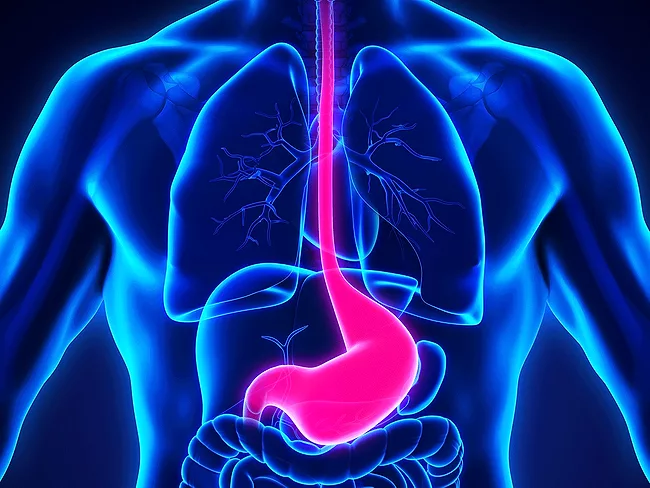
Multiple molecular pathways play a role in gastric cancer development, influencing how genetic and environmental factors interact to drive tumor growth and progressiA recent study by researchers at King Khalid University investigated a single-agent approach to simultaneously inhibit Akt and MEK1 pathways instead of using two different small molecules, which could potentially lead to increased toxicity.
Although CAR T-cell treatment can lead to clinical remissions in patients with hematological malignancies, relapse rates ultimately remain high. Previous research has found that T memory stem cell content in the infused CAR T-cell products correlated with better expansion and persistence in lymphoma patients. As a result of these observations, several approaches are being investigated to generate CAR T cells characterized by a less differentiated phenotype.
Glucocorticoid-induced osteoporosis, the leading cause of secondary osteoporosis, is characterized by diminished bone density and compromised osteoblast function. As current treatment options often have significant side effects, researchers are actively seeking new drug candidates to improve patient outcomes.

 RSS
RSS