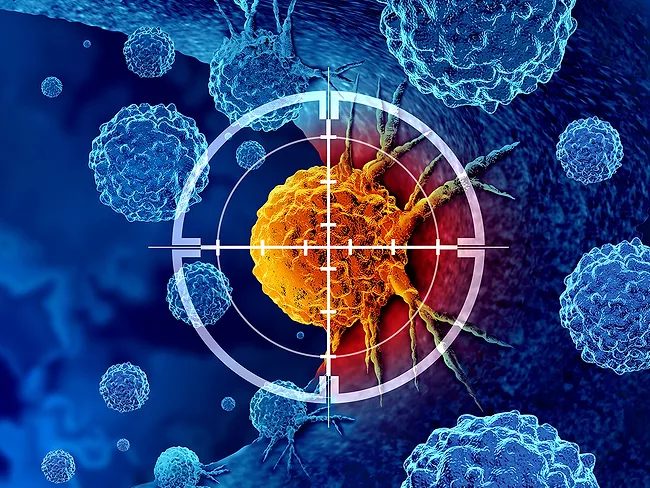
One of the proteins required for centrosome clustering is kinesin family member C1 (KIFC1/HSET), and modulation of KIFC1 stability could reduce its activity in cancer cells.
HCW Biologics Inc. has received clearance of its IND application from the FDA to initiate a first-in-human phase I trial to evaluate HCW-9302 in patients with moderate to severe alopecia areata.
Researchers from Shenzhen University have evaluated the potential antiallergic effects of the histone acetyltransferase KAT6A inhibitor WM-1119 on IgE-mediated mast cell activation and allergic inflammation.
Inmed Pharmaceuticals Inc. has selected an intravitreal (IVT) formulation for INM-089 as a drug candidate to be utilized in the company’s ongoing development program targeting the treatment of dry age-related macular degeneration (AMD).
Researchers at the University of California at San Francisco have identified an RNA-binding protein that increased the translation of Myc mRNA. The authors wrote that their work, which was published online in Nature Cell Biology on Feb. 4, 2025, “transforms the understanding of the translational code in cancer and illuminates therapeutic openings to target the expression of oncogenes.” Myc is a transcription factor that regulates multiple cellular growth factors. Its overexpression is a driver event in many solid tumors, including pancreatic cancer. Drugging Myc, though, has so far proved challenging.
Lactiga Inc. has been awarded a multiyear grant by the National Institute of Allergy and Infectious Diseases (NIAID) to accelerate the advancement of the company’s lead asset, LCTG-001.
Mesenchymal-epithelial transition factor (MET) plays a relevant role in growth, survival, migration and tissue repair. Alterations in MET have been found in non-small-cell lung cancer and head and neck cancer, and are associated with aggressive and difficult-to-treat cancer types.
Tiumbio Co Ltd. has described bromodomain-containing protein 4 (BD2 domain) (BRD4 BD2) inhibitors reported to be useful for the treatment of cancer, fibrosis, diabetes, metabolic syndrome, and renal and inflammatory disorders.
Jiangsu Hansoh Pharmaceutical Group Co. Ltd. and Shanghai Hansoh Biomedical Co. Ltd. have divulged proprotein convertase subtilisin/kexin-type 9 (PCSK9) inhibitors acting as LDL-lowering agents reported to be useful for the treatment of stroke, hepatic steatosis, dyslipidemia, coronary artery disease, metabolic syndrome and atherosclerosis.
 RSS
RSS