Although CAR T-cell treatment can lead to clinical remissions in patients with hematological malignancies, relapse rates ultimately remain high. Previous research has found that T memory stem cell content in the infused CAR T-cell products correlated with better expansion and persistence in lymphoma patients. As a result of these observations, several approaches are being investigated to generate CAR T cells characterized by a less differentiated phenotype.
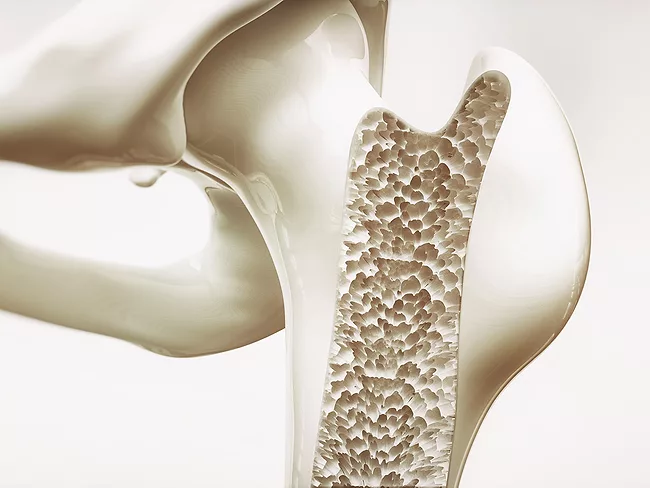
Glucocorticoid-induced osteoporosis, the leading cause of secondary osteoporosis, is characterized by diminished bone density and compromised osteoblast function. As current treatment options often have significant side effects, researchers are actively seeking new drug candidates to improve patient outcomes.
A recent study published in Nature Communications by researchers at the National Institute of Allergy and Infectious Diseases (NIAID) and collaborators evaluated a replicating RNA (repRNA) vaccine designed to target a contemporary bovine-derived H5N1 virus and compared its efficacy to a vaccine based on a historical H5N1 strain used in stockpiled vaccines.
Ypsilon Therapeutics has been awarded $2.7 million in seed funding from Cancer Prevention & Research Institute of Texas (CPRIT). The award will allow Ypsilon to advance its lead therapeutic program, a next-generation T-cell receptor mimic (TCRm) antibody, to drug candidate nomination, with the aim of developing treatments for patients with solid tumors, such as triple-negative breast cancer, non-small-cell lung cancer and gastric cancer.
California Institute for Regenerative Medicine (CIRM) has awarded a $5.8 million translational research grant to a scientist at the University of California, Los Angeles (UCLA) to further support the development of a hematopoietic stem cell (HSC) gene therapy to treat Angelman syndrome, including preparation of a pre-IND package submission to the FDA.
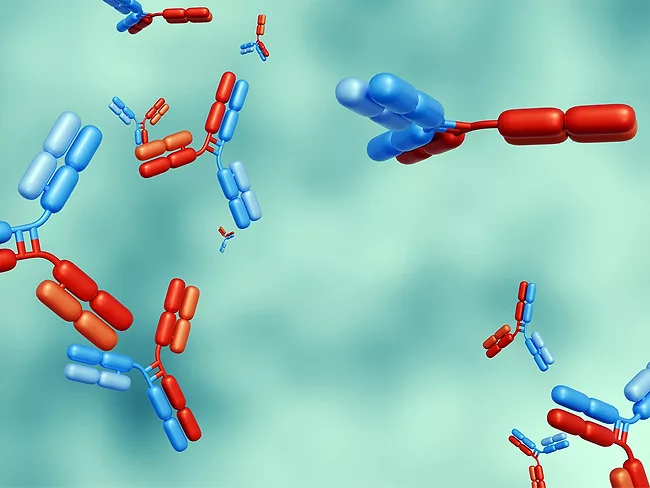
Chugai Pharmaceutical Co. Ltd. has signed a collaboration agreement with GSK plc’s Global Health Unit (GSK GH) for the development of an anti-dengue virus antibody. Under this agreement, GSK GH will perform activities and explore potential funding for the initiation of clinical studies of AID-351.
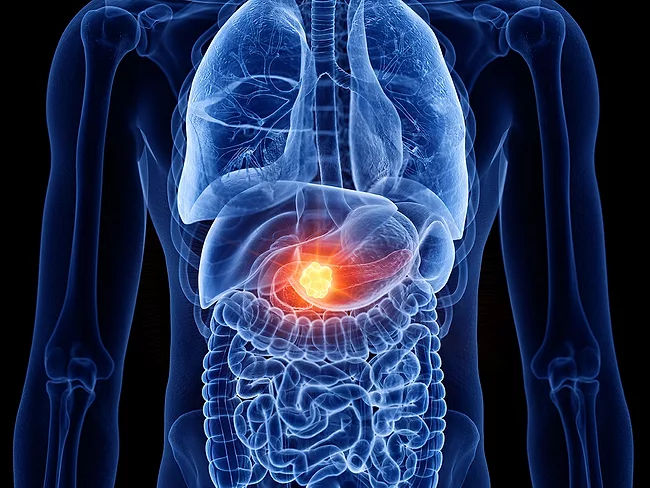
Pancreatic cancer, especially pancreatic ductal adenocarcinoma (PDAC), is still one of the most lethal cancers and does not yet have an effective therapy. There is an urgent need to identify therapeutic targets to improve therapies in PDAC. Now, researchers in France have published data regarding the nucleolin antagonist N6L in combination with paclitaxel as a promising therapeutic avenue for treating PDAC.
Understanding the mechanisms of resistance to cancer treatments is necessary to find effective therapies at different stages of the disease. Scientists at UT Southwestern Medical Center studied the most frequent mutation in pancreatic ductal adenocarcinoma (PDAC), identified an escape route to a therapy in clinical trials, blocked it with another experimental compound and reduced tumors in mice.
Implanted patches of iPS cell-derived heart muscle integrated with heart tissue in a primate model of heart failure, and in patients being treated in a clinical trial, marks progress toward a potential option for patients with advanced heart failure.

 RSS
RSS