Large-scale human genetic studies have revealed that loss-of-function INHBE variants are associated with a lower abdominal to gluteofemoral fat ratio, improved metabolic profile, and reduced fasting glucose levels.
Myricx Bio (Myricx Pharma Ltd.), a spin out from Imperial College London and the Francis Crick Institute, has closed a series A financing raising £90 million ($114 million) to support its work focused on the discovery and development of a novel class of payloads for antibody-drug conjugates (ADCs).
Targeting human glutaminyl-peptide cyclotransferase (QPCT) has emerged as a potential strategy in Alzheimer’s disease (AD). As the main substrates of this enzyme are involved in biological processes associated with neurodegenerative diseases, Parkinson’s disease (PD) and others may be other options to explore as well.
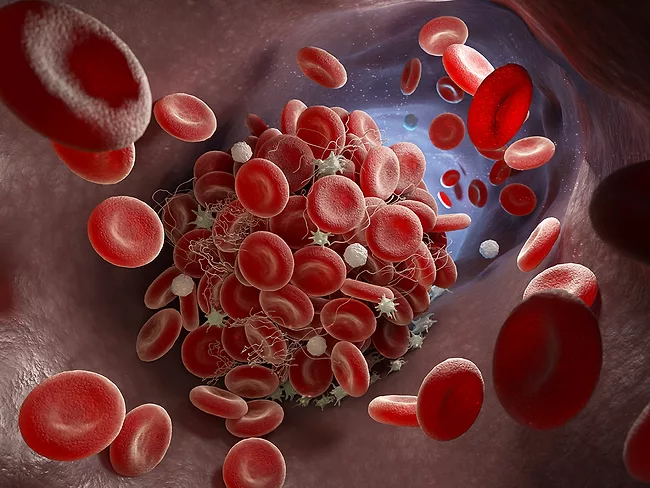
Von Willebrand factor (vWF) plays a crucial role in hemostasis, and elevated levels are associated with risk of thrombosis. Gain-of-function mutations in the C-domain of vWF are linked to an increased risk of thrombosis. Previous work has shown that disrupting cysteine-rich C-domain in vWF led to reduced platelet recruitment in a shear-dependent fashion, making it a promising target for pharmacology. Apollo Therapeutics Ltd. has presented data on antibodies targeting the C-domain of vWF, including AP-21 as antithrombotics.
Beijing DP Technology Co. Ltd. has nominated DPT-0415, a novel small molecule targeting lipoprotein‐associated phospholipase A2 (Lp-PLA2), as a preclinical candidate for the treatment of diabetic retinopathy (DR) and diabetic macular edema (DME).
Researchers from Oricell Therapeutics (Shanghai) Co. Ltd. presented the discovery and preclinical characterization of ORIC-613, a dual-targeting CAR T-cell therapy being developed for the treatment of pancreatic and gastric cancer.
Therapeutics for peripheral neuropathies, such as Charcot-Marie-Tooth (CMT) disease, are still quite limited and focus on managing symptoms. Augustine Therapeutics NV has presented an orally available histone deacetylase 6 (HDAC6) inhibitor, AGT-100216, for the treatment of CMT. AGT-100216 was designed to work through improving axonal regeneration and nerve functional restoration.
Caregen Co. Ltd. has described peptides reported to be useful for the treatment of cartilage injury, fracture, intervertebral disc herniation, degenerative intervertebral disc disorder, osteoarthritis, osteomalacia and muscular injury.
Researchers at Risen (Shanghai) Pharma Eng Co. Ltd. and Risen (Suzhou) Pharma Tech Co. Ltd. have divulged GTPase KRAS inhibitors reported to be useful for the treatment of cancer.
 RSS
RSS