CD137 is a potent immune costimulatory receptor that promotes T-cell activation and enhances antitumor immune responses. However, systemic activation of CD137 can result in excessive immune stimulation and associated safety risks, such as hepatotoxicity, limiting its clinical use.
Brise Pharmaceutical (Shanghai) Co. Ltd. has discovered carbocyclic or heterocyclic derivatives acting as transient receptor potential cation channel subfamily M member 3 (TRPM3) antagonists.
Apmonia Therapeutics SAS, the Centre National de la Recherche Scientifique and the Université de Reims Champagne Ardenne have disclosed LRP1-derived polypeptides acting as cathepsin D (CTSD) inhibitors.
Work at Emcure Pharmaceuticals Ltd. and Peptris Technologies has led to the identification of new fused bicyclic heterocyclic derivatives acting as histone deacetylase (HDAC) inhibitors.
In a recent study, researchers from Stony Brook University Renaissance School of Medicine and Cold Spring Harbor Laboratory investigated whether in vivo targeting of gastrointestinal tissues via foodborne delivery of Lm-based cancer vaccines could control tumor growth in murine models of colorectal cancer.
A new study by researchers at Stanford University and collaborating institutions aimed to investigate the safety and efficiency of lipid nanoparticle-mediated Cas13d mRNA delivery to uveal melanoma cells.
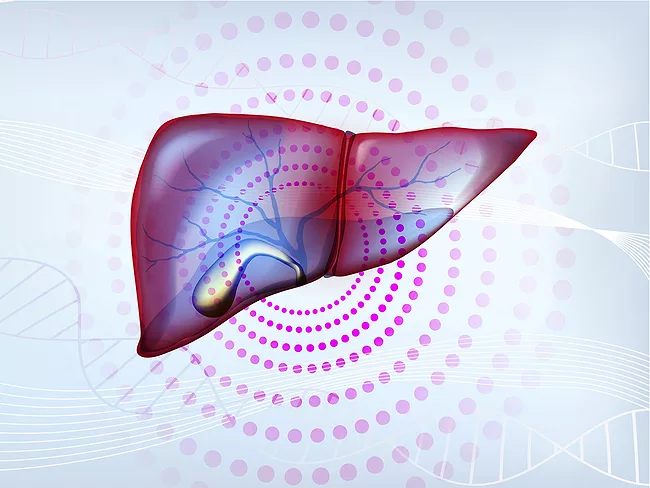
Researchers from Imperial College London and collaborators further investigated C/EBPβ as a target for MASLD and evaluated the efficacy of a C/EBPβ-targeted siRNA approach to reverse metabolic dysfunction and restore liver function in high-fat-diet-induced steatosis, which can be precursor to MASH and hepatocellular carcinoma.
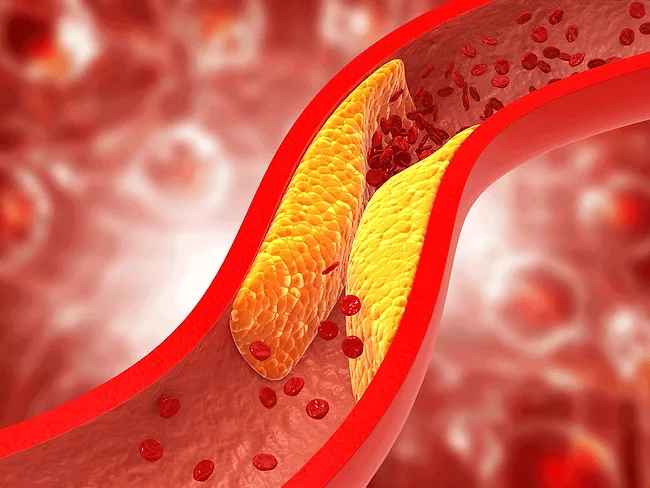
In previous work, researchers from CEINGE (Naples, Italy) and collaborating institutions developed an alternative gene therapy strategy based on the expression of a secreted fusion protein, including the extracellular portion of the human LDLR for LDL binding, linked to rabbit transferrin (TF), targeting the transferrin receptor (TFr), resulting in internalization and uptake of LDL particles. They have now published more recent work to further improve the efficacy and safety of this strategy.

 RSS
RSS