In developed countries, up to 20% of the population suffers from pollen allergies to birch and related trees. Mabylon AG has developed an anti-tree pollen antibody therapeutic, MY-010, that targets several inducers of spring hay fever, such as birch, alder and hazel, among others.
Newcelx Ltd. has entered into a collaborative research agreement with Eledon Pharmaceuticals Inc. with the aim of advancing its lead program, NCEL-101, for type 1 diabetes.
Zelluna ASA has established a collaboration with Etcembly Ltd. that will focus on the engineering of high-affinity, tumor-specific T-cell receptors targeting KKLC1.
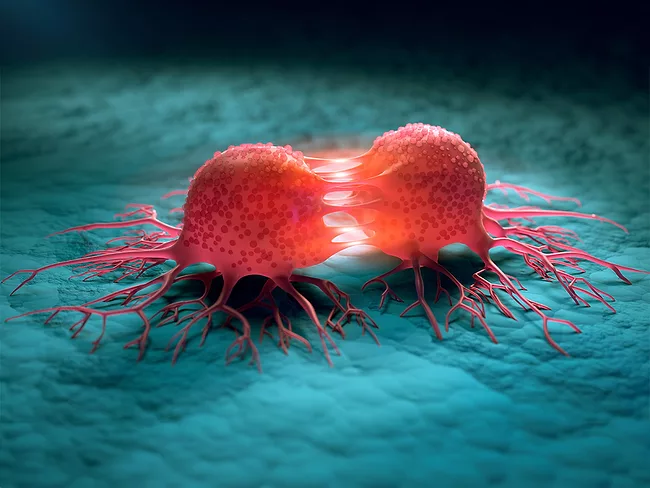
Dysregulation of the mechanistic target of rapamycin (mTOR) signaling pathway is frequently observed across a wide range of cancers and contributes to uncontrolled cell proliferation, enhanced cellular metabolism, and tumor progression.
Harbour Biomed Ltd. and Sichuan Kelun-Biotech Biopharmaceutical Co. Ltd. have announced IND approval by China’s National Medical Products Administration (NMPA) for HBM-7575 (SKB-575) for the treatment of atopic dermatitis.
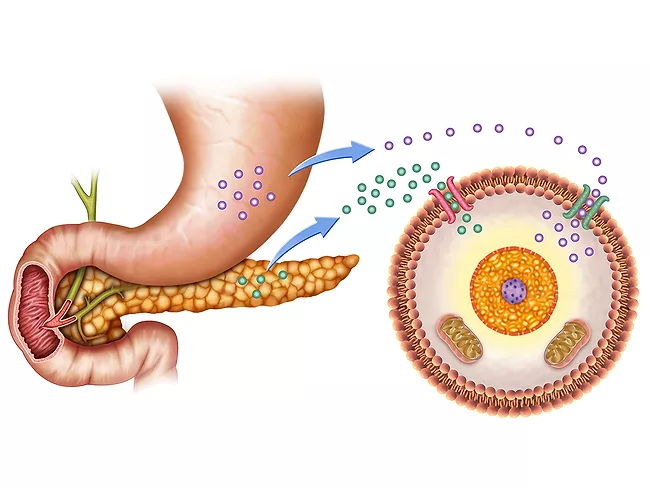
A recent study published in Cancer Research by scientists at The University of Texas MD Anderson Cancer Center (USA) and collaborators aimed to identify and characterize a target that elicits an anticancer response through both disrupting cancer cell redox homeostasis and increasing the immunogenicity of pancreatic ductal adenocarcinoma (PDAC).
If one could sweep the brain clean and send the toxic substances that drive neurodegeneration to the recycling bin, perhaps one could treat Alzheimer’s disease (AD). Researchers at the Chinese Academy of Sciences propose a new therapeutic strategy that uses synthetic peptides that bind to amyloid-β (Aβ) and direct it toward lysosomes. In addition, researchers at the Washington University School of Medicine in St. Louis have genetically modified astrocytes in vivo to express chimeric antigen receptors (CARs) that recognize and phagocytose Aβ plaques.
Entering its first major cardiovascular disease collaboration with a biopharma company, while it advances two internal gene therapies, Tenaya Therapeutics Inc. signed on with Alnylam Pharmaceuticals Inc. to deliver up to 15 novel genetic targets that could lead to new heart disease medicines. The deal comes with $10 million up front, and up to $1.13 billion is available to South San Francisco-based Tenaya if all targets meet certain milestones, leading to approved therapeutics that Alnylam develops and commercializes.
 RSS
RSS