In an advance that could significantly lighten the load for caretakers in the “sandwich generation” and reduce loneliness in elderly patients, Aspargo Labs Inc. developed a metered delivery device that optimizes absorption of pharmaceuticals and reminds users to take their medications.
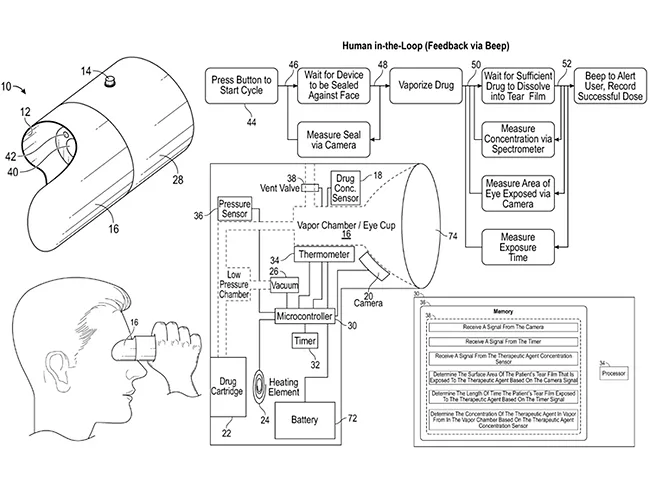
A recent patent filing from Verily Life Sciences LLC seeks protection for the development of an ophthalmic drug delivery device with sensors and a camera which allow the delivery of a specific or controlled dose of a therapeutic agent in vapor form to a patient’s eye.
In a recent publication in Cell, researchers from the National University of Singapore and collaborators have proposed using commensal bacteria in the nasal cavity as a delivery vector for precision therapy targeting the OE and brain.
In a recent publication in Cell, researchers from the National University of Singapore and collaborators have proposed using commensal bacteria in the nasal cavity as a delivery vector for precision therapy targeting the OE and brain.
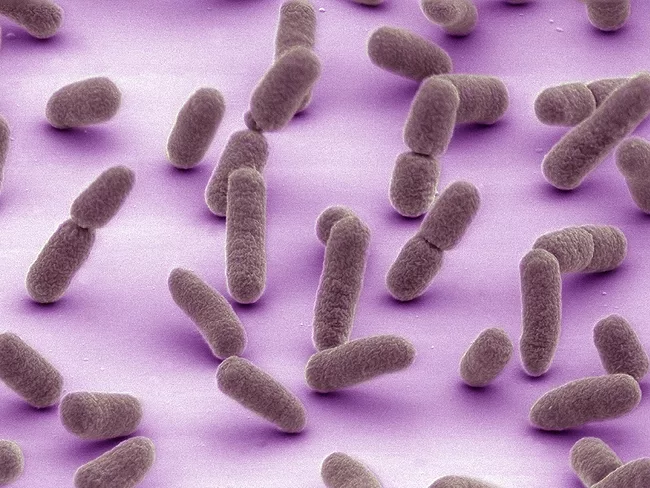
Researchers have altered the genetic code in a strain of Escherichia coli, reducing the number of stop codons from three to one and assigning the freed-up stop codons to nonstandard amino acids. They reported on the recoded bacterium, which they named OCHRE, in Nature on Feb. 5, 2025.
Aptamers are single-stranded DNA or RNA molecules with unique 3D structures that allow for specific binding to a wide variety of ions and molecules. Due to their unique properties, aptamers have been extensively studied for the precise detection and treatment of cancer; however, their susceptibility to nuclease degradation and rapid renal clearance represent challenges that limit theranostic time window and effectiveness. Researchers from Huazhong University of Science and Technology evaluated the potential of a novel albumin-conjugation strategy that would improve tumor targeting of the aptamers.
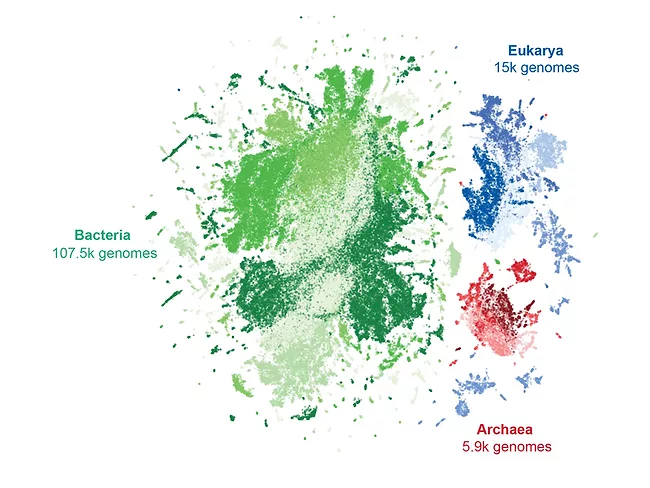
A new version of Evo, the AI developed at the Arc Institute that can be used to design genomes as long as that of a bacterium, has been retrained with the DNA sequences of three domains of life – viruses, bacteria and eukaryotes.
In a recent publication in Cell, researchers from the National University of Singapore and collaborators have proposed using commensal bacteria in the nasal cavity as a delivery vector for precision therapy targeting the OE and brain.
Bind Research has launched as a not-for-profit focused research organization (FRO) with the aim of transforming disordered proteins into viable drug targets. The organization has secured financing from the U.K. Government’s Research Venture Catalyst program, with matched support from industry, philanthropic and charitable donors.
A large-scale study cross-referencing genomic data from multiple sources with primary care health records has identified genetic overlaps in 72 chronic diseases, opening the way for a more holistic approach to researching, treating and preventing multimorbidity.
 RSS
RSS