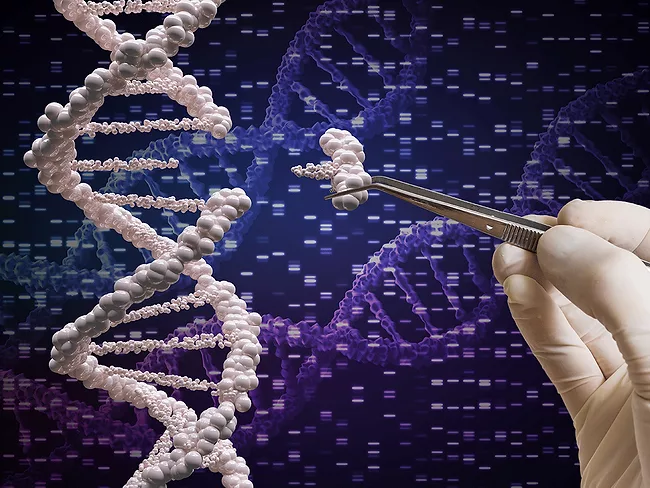
Transcode Therapeutics Inc. has reported promising proof-of-concept laboratory studies in human cells, advancing its strategic partnership with Akribion Genomics AG.
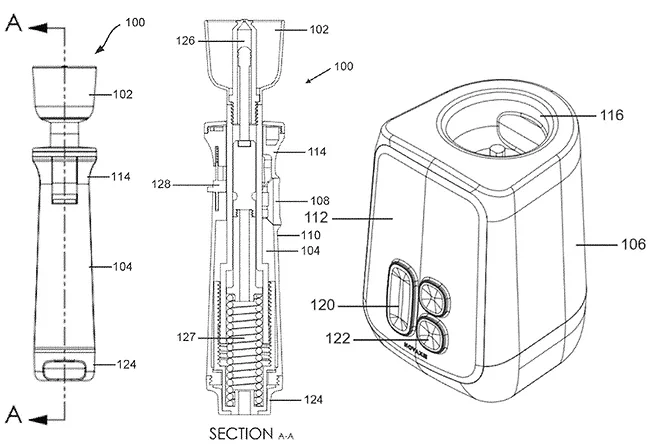
Watertown, Mass.-based Lyndra Therapeutics Inc. is seeking patent protection for gastric residence drug delivery systems with improved shelf lives through their inclusion of a metal core.
Overall, the story of HIV is one of astounding success. But to declare victory, it will be necessary to develop a vaccine. The opening session of the 31st Conference on Retroviruses and Opportunistic Infections (CROI) 2024 looked back to the failures but also the advances in research, all the steps that over the years brought the basic science knowledge that could bring an HIV vaccine in the future. This year, the former director of the Viral Pathogenesis Laboratory at the NIAID Vaccine Research Center, Barney Graham, was named for the Bernard Field Lecture, where he presented “Modern vaccinology: a legacy of HIV research.”
In the first patenting from Chicago-based Novaxs Biotech Corp., its co-founders, Alina Rui Su and Jonathan Tianyi Xing, describe an injection system for needle-free, high-pressure drug delivery.
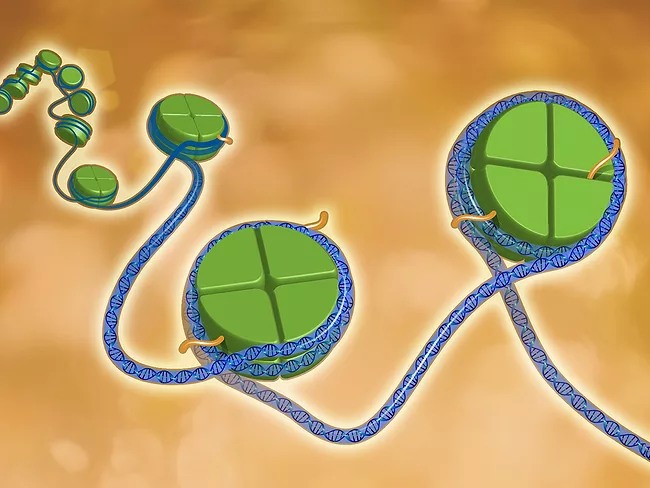
An Italian group of researchers has used zinc finger editing to silence the PCSK9 gene and improve blood cholesterol levels in mice by applying a single dose of their modifier. The epigenetic-based method could be an alternative to genome editing.
Since its founding by the National Institutes of Health (NIH), the scientists of the All of Us Research Program have set the goal to analyze the largest diversity of the genomic population in the country and end the under-representation of its different groups. The project has expanded the vision of several pathologies, discovered thousands of new genetic variants, redefined the risk genes for common diseases, and stratified them, uncovering eight different forms in the case of type 2 diabetes (T2D). Their results create a pathway for a new age of precision medicine.
Mice are frequently used as models to test novel candidate compounds during drug discovery and development. However, many compounds show efficacy against the drug target in vitro but present poor pharmacokinetic properties in mice due to the high metabolism rates.
Ono Pharmaceutical Co. Ltd. has entered into a drug discovery collaboration agreement with Epsilon Molecular Engineering Inc. to generate novel VHH antibodies, with the aim of creating innovative VHH antibody drugs.
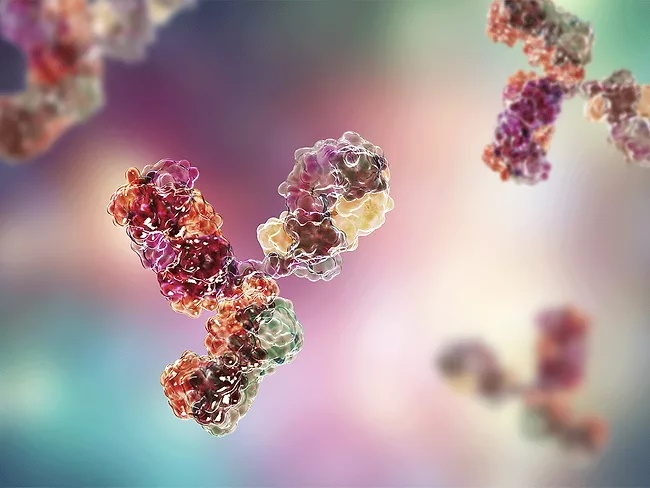
Immunoglobulin G (IgG), an antibody that participates in the response to infection, could have a specific role in metabolism. During aging, it accumulates in certain tissues inducing metabolic dysfunction and fibrosis of fat tissue. This effect could be prevented through an intracellular receptor that contributes to the delivery of IgG. A team of researchers from Columbia University and Peking University (PKU) demonstrated that reducing excess IgG improved the metabolic health of aged mice and increased their life expectancy.
 RSS
RSS