Zapata Computing Inc. (Zapata AI) scientists have demonstrated the first instance of a generative model running on quantum hardware outperforming state-of-the-art classical models in generating viable cancer drug candidates.
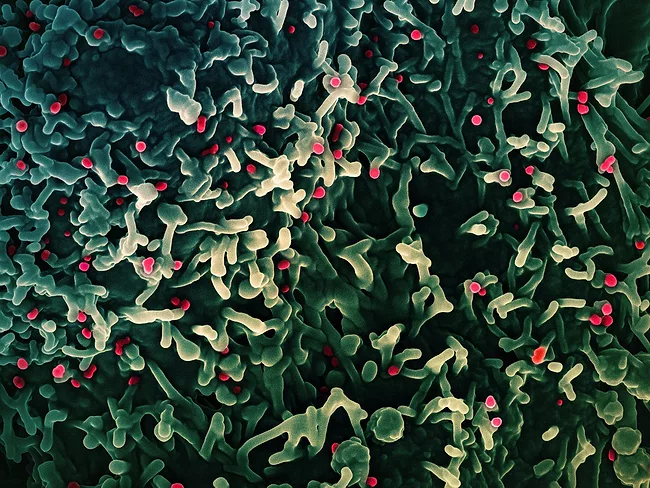
A vaccine based on messenger RNA (mRNA) technology against four surface proteins of the envelope and the inner membrane of the mpox virus (MPXV) demonstrated its efficacy in two animal models. Biontech SE scientists designed and tested two different combinations of antigens in mice and macaques for the two infective forms of the virus. One of them showed better results for its evaluation in clinical trials preventing the disease.
Vantai Inc. and Bristol Myers Squibb Co. have entered into a strategic collaboration to discover new molecular glues for therapeutic targets of interest.
GSK plc has exercised its option to a nonexclusive license to Elsie Biotechnologies Inc.’s discovery platform, following a successful research collaboration both companies entered into last year to explore platform capabilities.
In repeated concussions, removing damaged mitochondria could prevent the neurodegeneration that occurs when pathology progresses in some patients. The key would be in the role of the p17 protein in restoring mitophagy, according to scientists from the Medical University of South Carolina (MUSC). “Brain injury is an extrinsic disease. It is not idiopathic. When the primary injury occurs, the secure mechanism only relies on an endogenous protection of the brain. If you have a good neuroprotective mechanism, then after the primary injury, basically you don’t see any symptomatic effect,” Onder Albayram told BioWorld.
Delsitech Ltd. and Tolmar International Ltd. have signed a global license and development agreement whereby Tolmar will obtain a global license to utilize Delsitech’s proprietary, silica-based, drug delivery technology platform for the development and commercialization of two undisclosed long-acting injectable drug products.
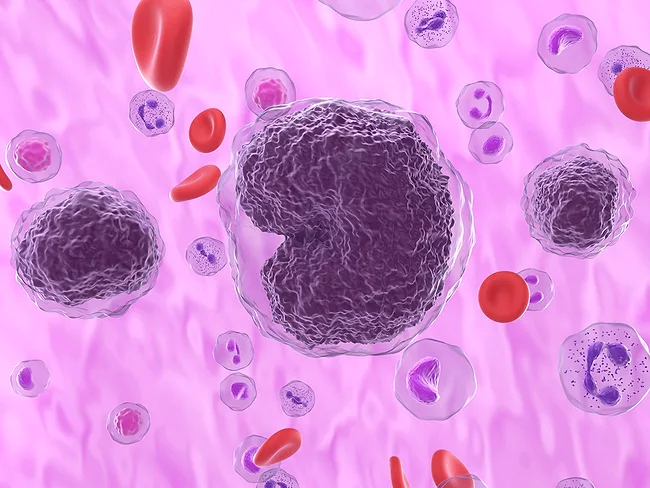
Bruton tyrosine kinase (BTK) enzyme inhibitors used to treat B-cell cancers, including chronic lymphocytic leukemia and non-Hodgkin lymphoma, also produce resistance by causing mutations in the protein. Now, a study on the BTK degrader NX-2127 showed the compound could be effective in eliminating BTK regardless of its mutations.
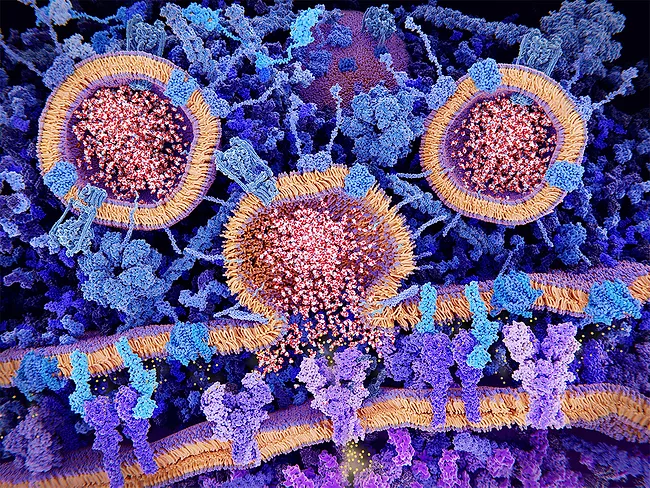
The discovery of a complex formed by two types of ion channels in neurons has allowed researchers from Heidelberg University to develop an inhibitor that stopped motor neuron degeneration in amyotrophic lateral sclerosis (ALS) in mouse models and human brain organoids.
Bruton tyrosine kinase (BTK) enzyme inhibitors used to treat B-cell cancers, including chronic lymphocytic leukemia (CLL) and non-Hodgkin lymphoma, also produce resistance by causing mutations in the protein. Now, a study on the BTK degrader NX-2127 showed the compound could be effective in eliminating BTK regardless of its mutations.
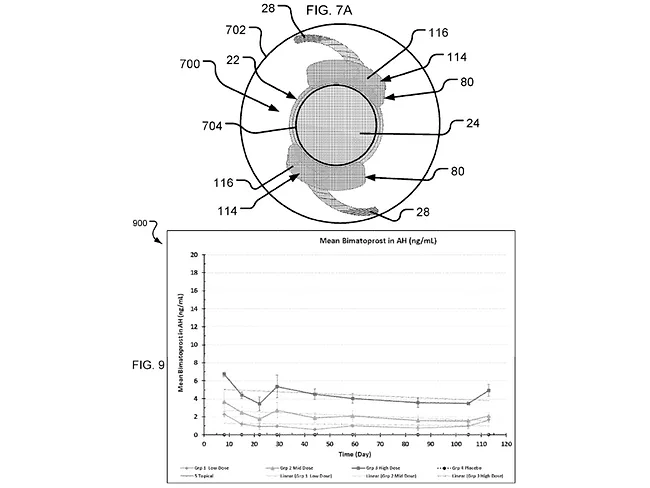
Spyglass Ophthalmics Inc. is seeking patent protection for intraocular drug delivery devices and methods of delivering therapeutic agents to the eye. The methods include implanting an intraocular implant into the eye and adjacent to a fluid-permeable membrane of the patient’s eye.

 RSS
RSS