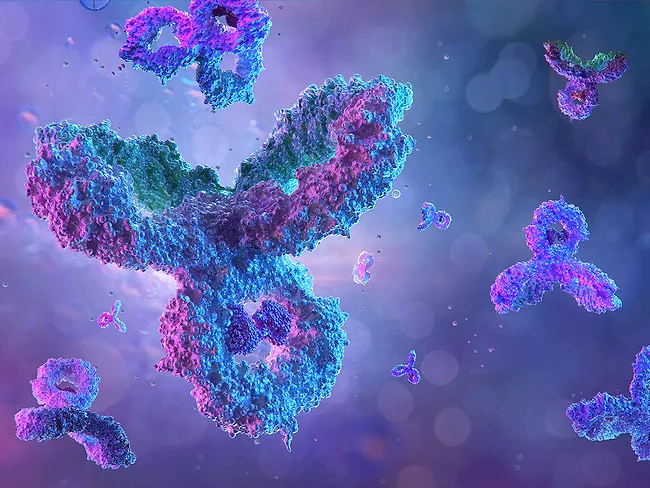
Scientists at Regeneron Pharmaceuticals Inc. have found a new way to permanently stop allergy through a combination of therapies that prevents the production of antibodies in secondary lymphoid organs and in bone marrow. The approach was tested in vivo in cynomolgus monkeys and in a mouse model.
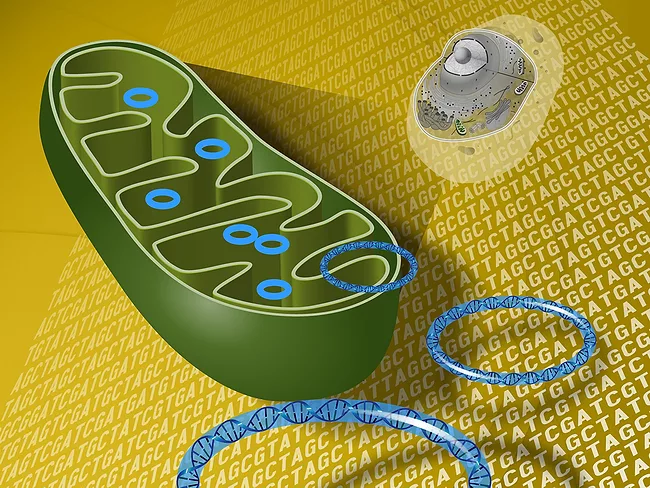
Although there are different methods of nuclear gene editing, there are still no effective treatments against mitochondrial disorders due to genetic alterations. Now, a group of researchers at Precision Biosciences Inc. and the University of Miami (UM) has developed a genetic edition platform that targets mitochondrial DNA (mtDNA) to delete its mutations.
“The ARCUS technology that we use is based on an enzyme found in nature called I-CreI. It is an enzyme that recognizes a 22 base pair DNA sequence within a species of green algae. And when it finds that DNA sequence, it will generate double-strand breaks,” first author Wendy Shoop, a scientist at Precision Biosciences, told BioWorld.
Terray Therapeutics Inc. has established a multi-target collaboration agreement with Bristol Myers Squibb to discover and develop small-molecule therapeutics in certain disease areas.
One of the largest med-tech deals of 2023 was wiped off the charts when Medtronic plc terminated a $738 million agreement to acquire South Korean wearable insulin patch maker Eoflow Co. Ltd., citing “multiple breaches” under its agreements, on Dec. 6.
Artificial Intelligence (AI) driven tools have the ability to design new drugs, with a bit of help from humans, said Anders Hogner, from Astrazeneca plc’s R&D department at the Bio-IT World Conference & Expo Europe in London. “We don’t have anything out there yet,” he added, but the company appears to be working on it.
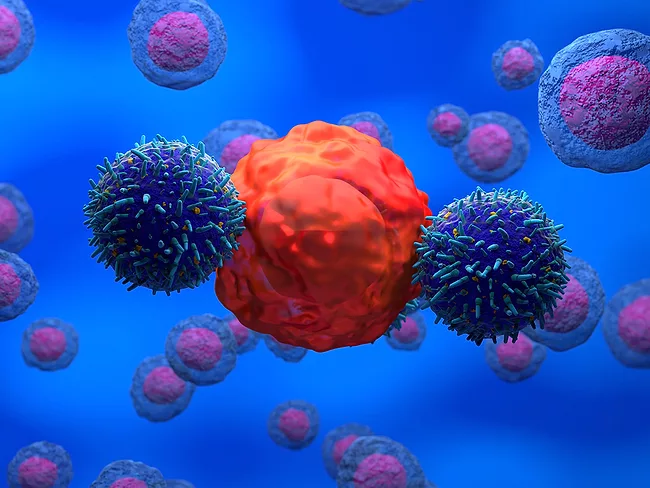
Researchers have developed a new approach for the development of improved CAR T cells with bifunctional degraders, which linked ubiquitin to an endogenous target protein. The key to the design was the use of multispecific protein degraders and E3 ligases, which increased the proliferation of CAR T cells and their antitumor potency. This combination can be adapted to different uses of cell therapies.
Artificial Intelligence (AI) driven tools have the ability to design new drugs, with a bit of help from humans, said Anders Hogner, from Astrazeneca plc’s R&D department at the Bio-IT World Conference & Expo Europe in London. “We don’t have anything out there yet,” he added, but the company appears to be working on it.
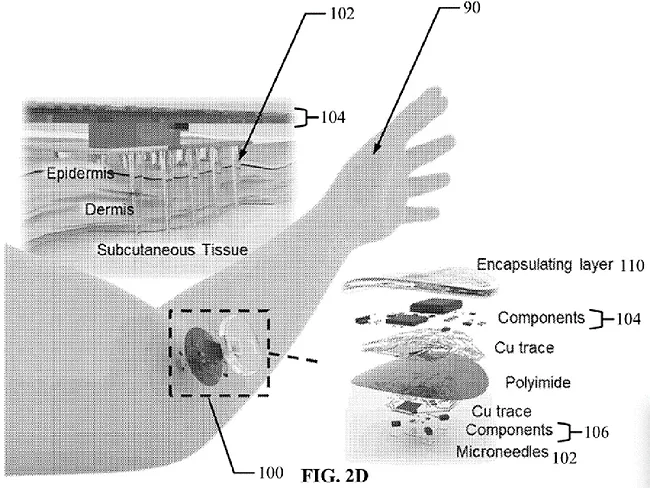
Wubin Bai, assistant professor of applied physical sciences, and members of his lab at UNC-Chapel Hill have developed a wearable, wireless sensing patch for deep tissue monitoring of multiple biometric indicators, including tissue oximetry, pulse oximetry, photoplethysmography, heart pulsation, and respiration.
Researchers from New York University College of Dentistry’s Pain Research Center in collaboration with the University of Pittsburgh found a candidate for chronic pain treatment among a library of 27 million compounds.
 RSS
RSS