The opening plenary abstract session at the 2020 annual meeting of the American Society of Human Genetics (ASHG) began with the definition of a new disease, identified through a new approach, and possibly leading to a new way to think about rheumatic diseases.
Under the right circumstances, a single mouse can be as good as a group of eight or 10 animals in predicting whether a tumor will respond to a drug, researchers reported at the 2020 EORTC-NCI-AACR (ENA) Molecular Targets meeting on Saturday. The single-animal approach “allows incorporation of more tumor models within the same resource constraints,” Peter Houghton told reporters at a press conference previewing ENA highlights.
Mirati Therapeutics Inc.’s update on the phase I/II Krystal trial of the KRAS-G12C-targeting adagrasib (MRTX-849) was arguably the most eagerly awaited news, and certainly the most eagerly awaited KRAS-targeting news, to come out of the 2020 EORTC-NCI-AACR (ENA) Molecular Targets meeting. KRAS is one of the most frequently mutated oncogenes across a wide swath of solid tumors, and has been one of the toughest nuts to crack as far as druggability is concerned.
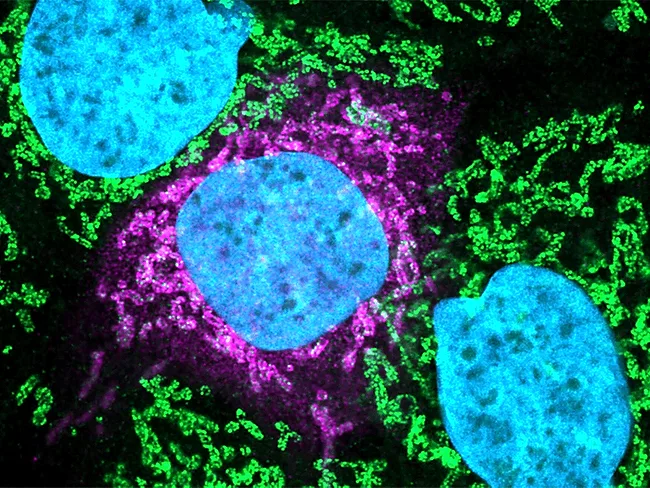
A multi-institutional team of researchers has implicated lipid droplets, which are key energy storage units of individual cells, in innate immune defense.
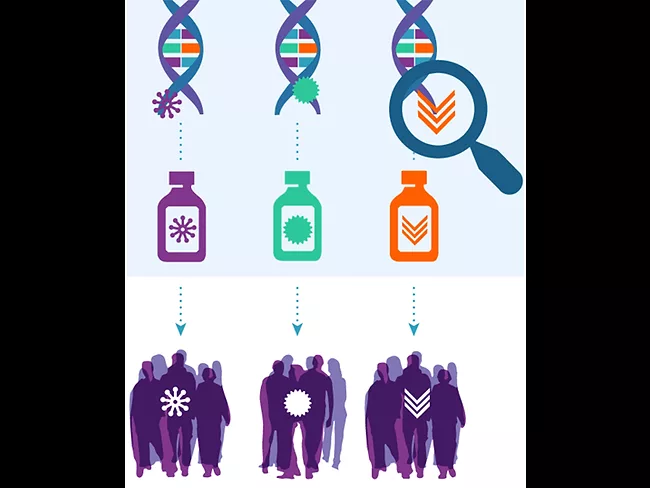
Investigators at the ECOG-ACRIN Cancer Research Group and the National Cancer Institute reported a roughly 40% match rate of patients to molecularly targeted therapies in its NCI-Molecular Analysis for Therapy Choice (NCI-MATCH) trial, ultimately leading to molecularly targeted treatments for almost 20% of trial participants.
“It’s coming. We know it’s coming.” That was Nevan Krogan’s blunt reminder that SARS-CoV-2 is not the first virus to wreak temporary havoc on humanity, nor will it be the last.
 RSS
RSS