BioWorld looks at translational medicine, including: Heparan sulfate DAMPens acetaminophen toxicity; Study links GABA, mitochondria, social defects; Recruiting NK cells to the antitumor battle; Potassium channel blocker improves motor learning in fetal alcohol syndrome; A20s inflammation-fighting properties decoded; Brown fat activity without fat browning; Agonists selectively wake up melatonin receptor subtypes; Multistep method wrests causality from GWAS; BET on BD1 for cancer, BD2 for inflammation.
Targeting glycosylated PD-1 immune checkpoint may be a promising new cancer immunotherapeutic strategy, according to a collaborative study led by Taiwanese researchers, which was reported online in the March 10, 2020, edition of Cancer Research.
LONDON – The extent to which existing DNA databases fail to reflect human genetic diversity is laid bare in the most geographically comprehensive sequencing initiative to date. The study applied the latest sequencing techniques to 929 genomes from 54 diverse populations around the world.
Undetected cases were a major driver of the early spread of SARS-CoV-2 in Wuhan, China, despite being less infectious on a case-by-case basis, according to a modeling study published in the March 16, 2020, online issue of Science.
BioWorld looks at translational medicine, including: See in 3D; Tolerizing DCs are made, not born; GOF, LOF mutations take different paths to same result; NEFA’s nefarious role in pancreatitis; Comprehensive look identifies insulin autoantigens.
Like Berlin patient Timothy Ray Brown before him, London patient Adam Castillejo, whose case was top story of the 2019 Conference on Retroviruses and Opportunistic Infections (CROI), energized the HIV cure research field by his sheer existence. Curing HIV, Pablo Tebas told the audience at a themed discussion on curative strategies, “has been considered [for] a long time the holy grail.”
CYBERSPACE – Continuing improvements in HIV treatment and progress toward a cure notwithstanding, an effective vaccine will be necessary to gain the upper hand in the decades-long fight against the pandemic.
In the Marvel Comic Universe, Venom is a superhero who started life as a supervillain and Spiderman foe. In the biopharma universe, scorpion venom is undergoing the same fate transformation, as separate papers this week reported new ways to use scorpion venom in two major therapeutic targeting challenges.
BioWorld looks at translational medicine, including: Serine improves memory in Alzheimer’s mouse model; From junk to noncoding to coding; Keeping stem cells quiescent enables greater ultimate potency; Female, male fat tissue flight inflammation differently; BioPROTACs cut out middleman, and small molecule; ‘Gut bug’ has intratumoral effects; Decoy exosomes fight bacterial toxin; Unexpected mechanism, combination possibilities for CDK 4/6 inhibitors; In SIV infection, gut integrity is retained, not repaired.
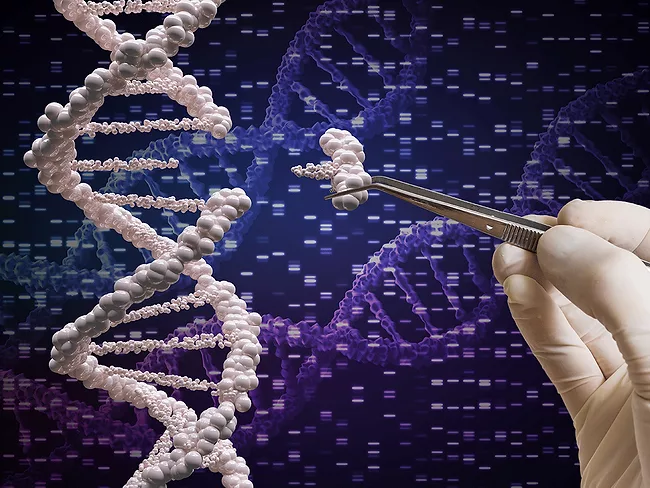
An experimental gene editing therapy for an inherited form of blindness has become the first in vivo CRISPR medicine to be administered to patients, according to Editas Medicine Inc. and its partner, Allergan plc, which licensed the candidate in 2018.
 RSS
RSS