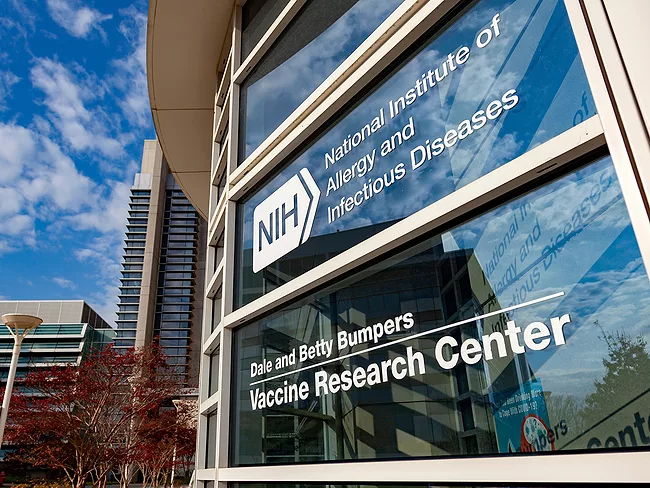
If the April 30 hearing on biomedical research before the U.S. Senate Appropriations Committee is any indication, the Trump administration could face a big challenge if it tries to cut more than 40% of the NIH’s budget in fiscal 2026 as proposed and slap a 15% cap on indirect costs.
Barely a year after the U.S. FDA shackled Abeona Therapeutics Inc.’s cell-based gene therapy with a complete response letter, the agency has approved it for treating a rare and genetic skin disease. Zevaskyn (prademagene zamikeracel), for treating wounds in adult and pediatric patients with recessive dystrophic epidermolysis bullosa, will be priced in the U.S. at $3.1 million.
Another complete response letter from the U.S. FDA for Regeneron Pharmaceuticals Inc.’s age-related macular degeneration (AMD) therapy Eylea (aflibercept) – along with disappointing sales of the VEGF inhibitor – dented shares (NASDAQ:REGN) by $41.95. They closed April 29 at $568.91, having traded as low as $542.44 during the day.
Stealth Biotherapeutics Inc., and, more importantly, patients with Barth syndrome, faced another disappointing delay April 29 when the U.S. FDA kicked its approval decision down the road for Stealth’s elamipretide.
With April 29 being Day 100 for U.S. President Donald Trump, his staff observed the day by touting the achievements of the administration’s first 100 days in office, especially new commitments made by the private sector to invest more than $5 trillion in U.S.-based manufacturing, R&D, infrastructure and technology.
The first 100 days of the Trump administration have been nothing short of chaotic, both in the U.S. and throughout the world. Shining a light through the uncertainty, BioWorld continues to cover the administration’s latest policy decisions and actions affecting the life sciences sector, as well as their impacts across the globe. It’s all right here at Trump administration impacts.
Jiangsu Hengrui Pharmaceuticals Co. Ltd. is the latest mainland China pharmaceutical company to seek a capital raise on the Hong Kong stock exchange, winning clearance April 28 from the China Securities Regulatory Commission to float new H-shares.
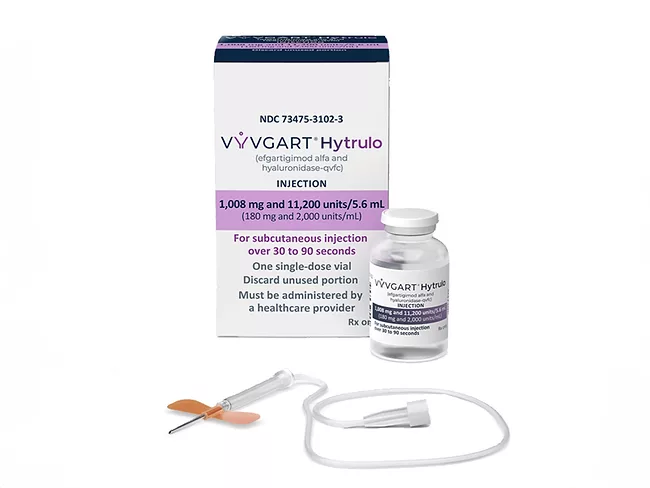
Argenx NV is now well on the way to establishing a Vyvgart (efgartigimod alfa) franchise in severe autoimmune diseases, after getting the nod from the EMA in the treatment of progressive or relapsing chronic inflammatory demyelinating polyneuropathy.
The U.S. FDA issued a complete response letter (CRL) to Telix Pharmaceuticals Ltd. for its NDA for glioma imaging agent, TLX-101-CDx (floretyrosine F18 or 18F-FET, Pixclara), citing the need for additional confirmatory clinical evidence.
It’s time for the U.S. Congress to finally put some guardrails on the 340B prescription drug discount program it created more than 30 years ago as a way to help fund health care for low-income patients. That’s the overall conclusion of a majority staff report from the Senate Health, Education, Labor and Pensions Committee that follows a years-long investigation into the program.
 RSS
RSS