With $41 billion in sales, the medical technology market in Germany leads Europe, followed by France and Italy, which each manage only half the sales of Germany each month. The U.K., in fourth place, barely sees one-fifth of Germany's revenues, according to a report from BVMed, the German association of medical device manufacturers. German firms also reported a 4.9% reduction in business in 2020 due principally to the COVID-19 pandemic.
Regulatory snapshots, including global submissions and approvals, clinical trial approvals and other regulatory decisions and designations: Advanced Biological Laboratories, Amg International, Choicespine, Guard Medical, Ihealthscreen, Jenavalve, Quidel, Unity HA, Uroviu.
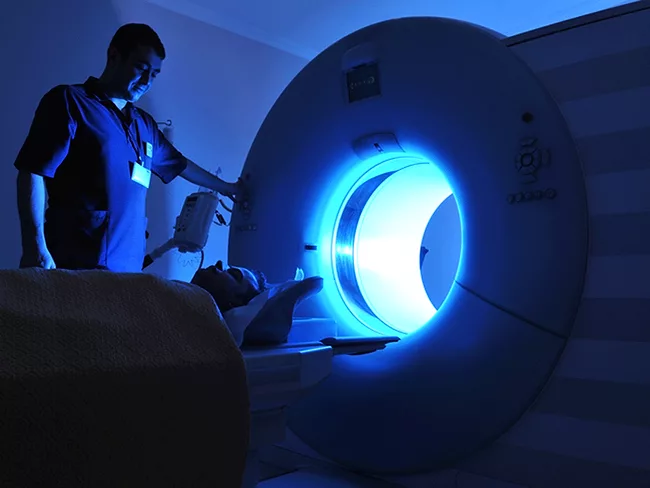
The impact of MRI procedures on medical devices has been the subject of regulatory concern for better than a decade, but the FDA needed until 2019 to craft a guidance that deals with testing and labeling for such considerations. The final guidance offers several tweaks and adjustments to the 2019 draft, but ignores several requests made by industry, including a request that the final not rely on a clinically relevant worst-case scenario when evaluating the potential for device heating.
LONDON – Wise Srl has received CE marking for its cortical strip electrode, validating the underlying flexible electronics technology and opening the door to the development of implantable devices for long-term neurostimulation.
In seeming opposition to U.S. Trade Representative Katherine Tai’s support of a proposed compulsory World Trade Organization intellectual property (IP) waiver on COVID-19-related medical products, U.S. Vice President Kamala Harris signed onto the G20’s May 21 Rome Declaration that commits the member countries to work to defeat the pandemic within the current flexibilities of the TRIPS agreement by promoting voluntary IP licensing agreements, technology and knowledge transfers, and patent pooling on mutually agreed terms.
With the intense focus on developing COVID-19 diagnostics, sequencing tools, vaccines and treatments, the pandemic is having an outsized impact on the global development of drugs and devices to treat other diseases. Recent data show that more than 1,000 clinical trials worldwide remain disrupted by COVID-19, including 60% of the non-COVID-19 trials being conducted in the U.S., as funding and other resources continue to be directed toward ending the pandemic.
The FDA’s approval for Johnson & Johnson (J&J) of Rybrevant (amivantamab-vmjw) not only brings the first treatment for adults with non-small-cell lung cancer (NSCLC) whose tumors bear EGFR exon 20 insertion mutations, but also sets a high overall response rate bar for other developers in the space.
The FDA’s November 2019 two-day hearing regarding the use of metals in medical devices generated at least one actionable recommendation, namely that manufacturers disclose all materials used in devices in product labels. The agency has reacted to that recommendation in the form of a discussion paper that proposes to require that product labels provide a deep level of detail regarding the materials found in the device, a notion that received the backing of industry during the November 2019 hearing.
PERTH, Australia – As D-Day approaches for the European Medical Device Regulations (MDR), Australia is also nearing completion of implementing its own medical device reforms, which closely mirror the EU MDR. “We had to look at aligning as close as possible with the EU system, but we’ve had to align with a moving, incomplete and delayed target, and the TGA asked us to move ahead of the EU reforms,” said John Skerritt, deputy secretary, Health Products Regulation for the Therapeutic Goods Administration (TGA), during the recent Ausmedtech virtual conference.
 RSS
RSS