DUBLIN – The ongoing legal uncertainty surrounding the transfer of data from European research institutions or companies to international partners shows little sign of resolution, despite the urgency of the COVID-19 pandemic, which has engendered an extraordinary collaborative response from the global scientific community.
FDA enforcement of clinical research regulations has often been "light-handed, slow-moving, and secretive," a new look at the agency's enforcement track record concludes. Published today in the journal Science, the analysis said the shortcomings may be harming both patients and trial integrity.
The COVID-19 pandemic has not run its course, but the U.S. FDA is already working on a plan for handling devices in the period after the public health emergency ends. Bill Maisel, chief medical officer at the FDA’s Center for Device and Radiological Health (CDRH), said the agency is thinking through what would have to appear in a guidance for a transition that may span a number of months, providing industry with some much-needed breathing room.
The Lung Cancer Genomic Screening Project for Individualized Medicine in Asia (LC-SCRUM-Asia) has partnered with Thermo Fisher Scientific Inc. to speed molecular profiling in two major studies. The project now uses Waltham, Mass.-based Thermo Fisher’s Ion Torrent Genexus system and Oncomine Precision assay as the sole system for conducting next-generation sequencing (NGS) to improve personalization of therapeutic approaches and better understand drug resistance in non-small-cell lung cancer (NSCLS).
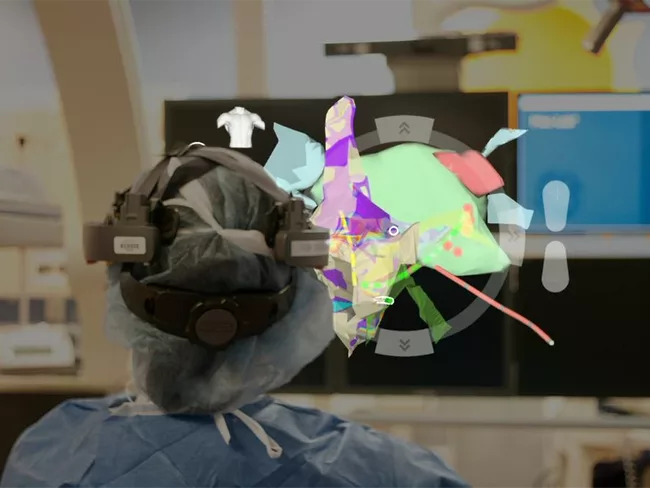
Sentiar Inc. received U.S. FDA clearance for its holographic guidance system, known as Commandep, for use in cardiac ablation procedures. The system allows electrophysiologists (EPs) to visualize 3D electroanatomic models in real-time, using augmented reality (AR), to seamlessly navigate invasive procedures. “The Commandep is intended for use as a medical imaging system that allows the review, analysis, communication and media interchange of multidimensional digital images,” Berk Tas, Sentiar’s CEO, told BioWorld.
Medtronic plc has unveiled its latest buy this year with the planned acquisition of Avenu Medical Inc., which focuses on the endovascular creation of arteriovenous (AV) fistulae for patients with end-stage renal disease (ESRD) undergoing dialysis. The two did not disclose the terms of the transaction.
More than 62% of the volume and 63% of the projected values of med-tech deals completed in 2020 are for one of two things: COVID-19 diagnostics and devices or digital health technologies that fall outside of the pandemic efforts. As of late September, BioWorld has tracked 1,012 deals this year – including licensings, collaborations and joint ventures – valued at $3.67 billion, as well as 272 completed mergers and acquisitions valued at $8.53 billion.
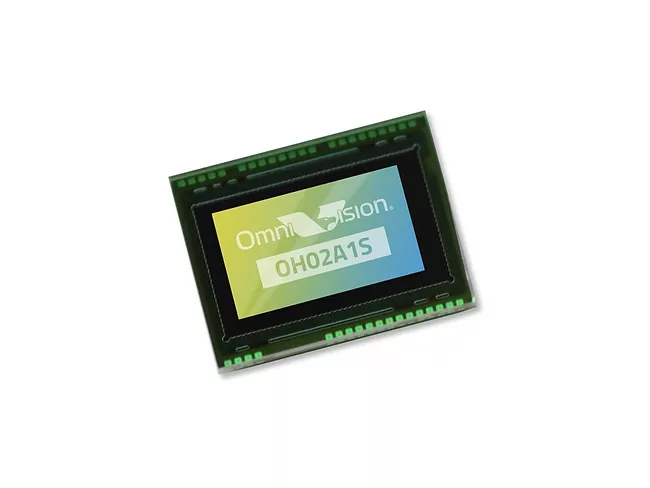
Omnivision Technologies Inc. has developed the first all-in-one RGB-infrared image sensor designed for medical use. The OHO2A1S sensor offers simultaneous white-light RGB and infrared monochrome captures in one complementary metal oxide semiconductor sensor, enabling endoscopes used in oncology to be produced with just one sensor, reducing the size, cost and heat output of the devices.
Regulatory snapshots, including global submissions and approvals, clinical trial approvals and other regulatory decisions and designations: Becton Dickinson, Genetron, Ka Imaging, Perkinelmer, Sentiar, Vexos.
 RSS
RSS