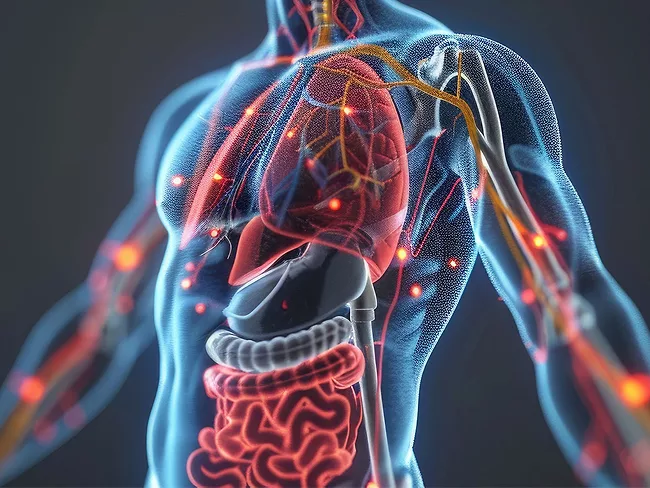
Incretins are not just metabolic hormones that regulate glucose levels after eating. Their functions go beyond stimulating the release of insulin from the pancreas. Glucagon-like peptide-1 (GLP-1) and glucose-dependent insulinotropic polypeptide (GIP), the two main incretins, have receptors and effects in different organs, including the heart, brain, bone and kidneys. Even if they do not directly play those keys, other organs such as the liver and muscle receive signals from the same score and join the orchestra.
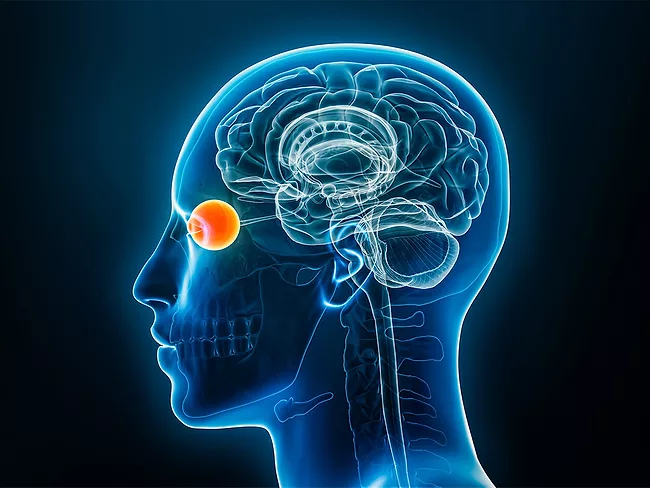
A novel gene therapy that leads to cellular rejuvenation could restore vision after non-arteritic anterior ischemic optic neuropathy (NAION) and glaucoma. The technique is based on a reprogramming process that reverses the epigenetic DNA alterations caused by aging. Preclinical studies in glaucoma mice and nonhuman primates (NHP) models for this stroke-like disorder that affects the eye, showed an improvement of vision and restoration of the damaged axons of the optic nerve.
Immortality and eternal youth have been the stuff of myths and legends from ancient times on. Now, in the 21st century, real studies of current medicine could be applied to repair tissues and organs damaged by age. During the 11th Aging Research & Drug Discovery (ARDD) Meeting held at the University of Copenhagen at the end of August, scientists explained the molecular keys of rejuvenation, as many artists imagined in the past.
Aging is part of the life cycle and, although the effects are not manifest until after adulthood, it actually occurs from birth. The concept of senescence has traditionally been associated with aging. However, an embryo has senescent cells. In that case, what is aging, how can it be measured, and from what point in the life cycle?
Aging is part of the life cycle and, although the effects are not manifest until after adulthood, it actually occurs from birth. The concept of senescence has traditionally been associated with aging. However, an embryo has senescent cells. In that case, what is aging, how can it be measured, and from what point in the life cycle?
Aging is part of the life cycle and, although the effects are not manifest until after adulthood, it actually occurs from birth. The concept of senescence has traditionally been associated with aging. However, an embryo has senescent cells. In that case, what is aging, how can it be measured, and from what point in the life cycle?
Since the publication of The Hallmarks of Aging in 2013, aging research has exploded. The field now has more than 300,000 articles on the biological signals of the effect of time on the body. What would Marty McFly, the legendary character from the Back to the Future saga who traveled with his DeLorean time machine from the ‘80s to the ‘50s, think if he visited 2024 and saw laboratories experimenting with techniques to turn back the biological clocks of cells or increase the lifespan of rejuvenated mice?
Phagocytosis – eliminating millions of dead cells every day – requires specialized cells such as macrophages, the true professionals, which migrate to engulf waste and dying cells.
Restoring glucose metabolism in astrocytes, which is impaired in Alzheimer’s disease (AD), has a direct effect on neurons, which replenish their fuel supply and resume synaptic activity. A group of scientists from Stanford University School of Medicine has revealed the pathway that explains where this efflux is interrupted and which molecules restore it in mouse models with amyloid and tau pathology. Their findings could help prevent the progression of this neurodegenerative disease.
Phagocytosis – eliminating millions of dead cells every day – requires specialized cells such as macrophages, the true professionals, which migrate to engulf waste and dying cells. But they are not the only ones that can perform this task, as scientists at Howard Hughes Medical Institute (HHMI) discovered when they investigated hair follicle stem cells (HFSCs), a tissue in constant regeneration, to clarify how dying cells are detected and cleared in the epithelium and the mesenchyme.