Since its founding by the National Institutes of Health (NIH), the scientists of the All of Us Research Program have set the goal to analyze the largest diversity of the genomic population in the country and end the under-representation of its different groups. The project has expanded the vision of several pathologies, discovered thousands of new genetic variants, redefined the risk genes for common diseases, and stratified them, uncovering eight different forms in the case of type 2 diabetes (T2D). Their results create a pathway for a new age of precision medicine.
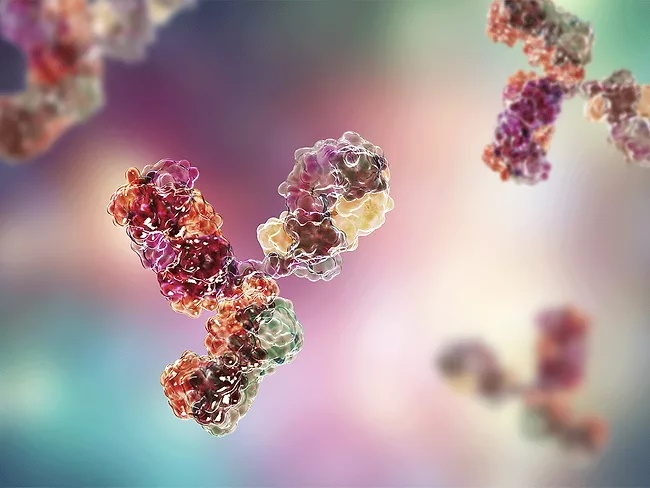
Immunoglobulin G (IgG), an antibody that participates in the response to infection, could have a specific role in metabolism. During aging, it accumulates in certain tissues inducing metabolic dysfunction and fibrosis of fat tissue. This effect could be prevented through an intracellular receptor that contributes to the delivery of IgG. A team of researchers from Columbia University and Peking University (PKU) demonstrated that reducing excess IgG improved the metabolic health of aged mice and increased their life expectancy.
A vaccine based on messenger RNA (mRNA) technology against four surface proteins of the envelope and the inner membrane of the mpox virus (MPXV) demonstrated its efficacy in two animal models. Biontech SE scientists designed and tested two different combinations of antigens in mice and macaques for the two infective forms of the virus. One of them showed better results for its evaluation in clinical trials preventing the disease.
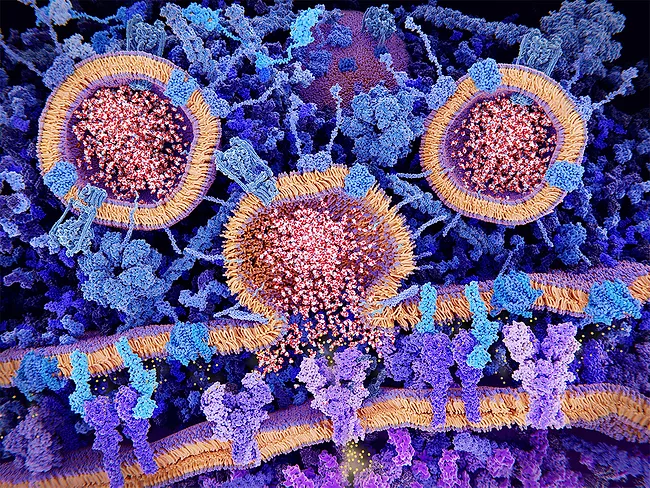
In repeated concussions, removing damaged mitochondria could prevent the neurodegeneration that occurs when pathology progresses in some patients. The key would be in the role of the p17 protein in restoring mitophagy, according to scientists from the Medical University of South Carolina (MUSC). “Brain injury is an extrinsic disease. It is not idiopathic. When the primary injury occurs, the secure mechanism only relies on an endogenous protection of the brain. If you have a good neuroprotective mechanism, then after the primary injury, basically you don’t see any symptomatic effect,” Onder Albayram told BioWorld.
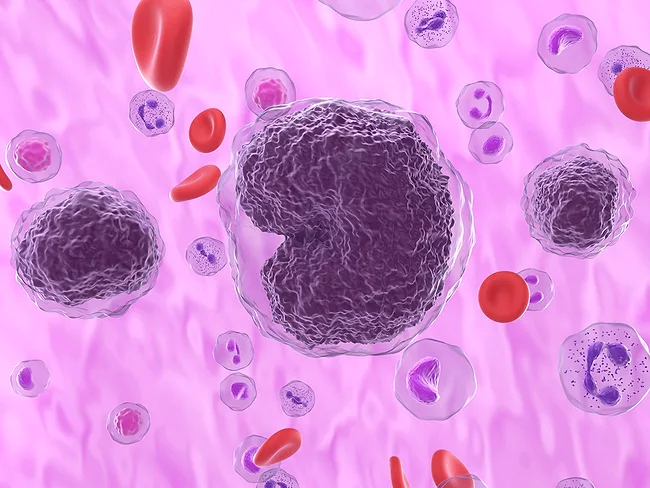
Bruton tyrosine kinase (BTK) enzyme inhibitors used to treat B-cell cancers, including chronic lymphocytic leukemia and non-Hodgkin lymphoma, also produce resistance by causing mutations in the protein. Now, a study on the BTK degrader NX-2127 showed the compound could be effective in eliminating BTK regardless of its mutations.
The discovery of a complex formed by two types of ion channels in neurons has allowed researchers from Heidelberg University to develop an inhibitor that stopped motor neuron degeneration in amyotrophic lateral sclerosis (ALS) in mouse models and human brain organoids.
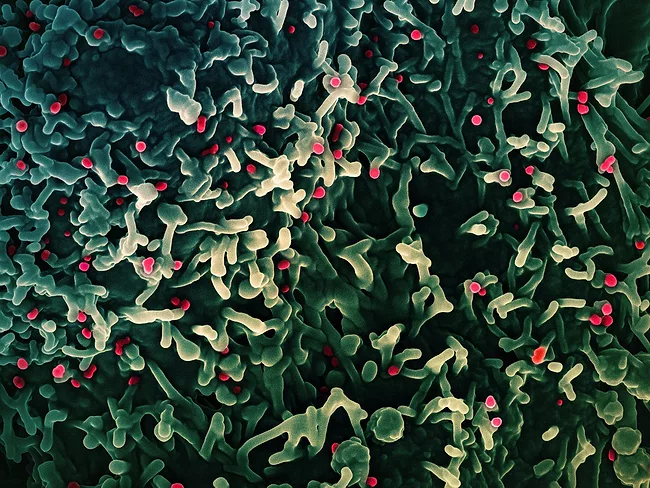
COVID-19 severity remains open to several questions. Researchers at the University of California Los Angeles (UCLA) have revealed how SARS-CoV-2 causes acute inflammation instead of the symptoms of a common cold. This effect could be initiated by the peptide fragments of the coronavirus released when the host eliminates the virus, which can form pro-inflammatory complexes that trigger an amplified immune response.
Bruton tyrosine kinase (BTK) enzyme inhibitors used to treat B-cell cancers, including chronic lymphocytic leukemia (CLL) and non-Hodgkin lymphoma, also produce resistance by causing mutations in the protein. Now, a study on the BTK degrader NX-2127 showed the compound could be effective in eliminating BTK regardless of its mutations.
A common molecular pathway associated with lung fibrosis may also hold the key to pulmonary vascular repair. A group of scientists at the University of Pennsylvania (Penn) found that when a viral infection damaged these vessels, the injury could be restored by activating the transforming growth factor-β receptor 2 (TGF-βR2) in endothelial cells, which led to cell proliferation.
COVID-19 severity remains open to several questions. Researchers at the University of California Los Angeles (UCLA) have revealed how SARS-CoV-2 causes acute inflammation instead of the symptoms of a common cold. This effect could be initiated by the peptide fragments of the coronavirus released when the host eliminates the virus, which can form pro-inflammatory complexes that trigger an amplified immune response.