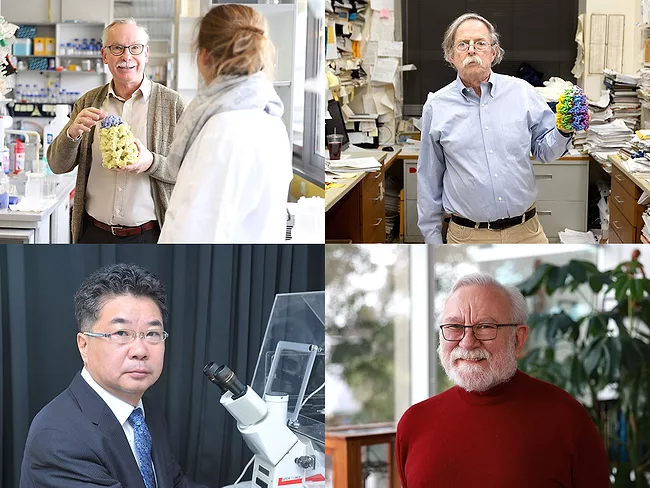
The discovery of how proteins fold and what happens if they don’t, or do it wrong, has impacted medicine. Protein function and several pathologies depend on folding. Four scientists, Franz-Ulrich Hartl, Arthur Horwich, Kazutoshi Mori and Peter Walter, revealed the role of chaperones in assisting proteins to acquire their correct structure and described a failure warning system, the unfolded protein response (UPR). For their studies, the researchers will receive the 2024 Frontiers of Knowledge Award in Biology and Medicine from the BBVA Foundation.
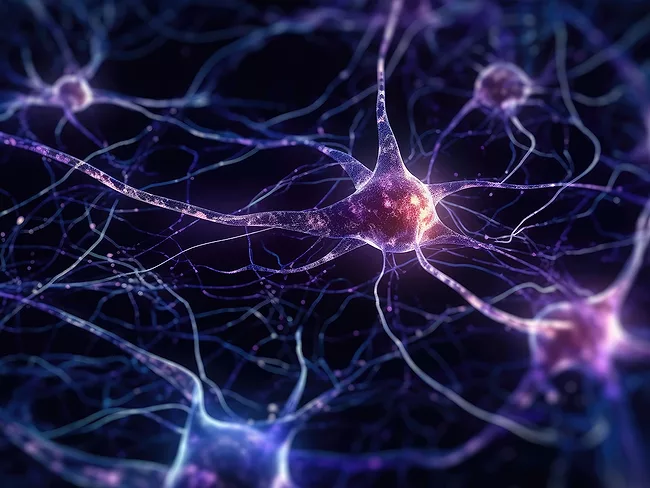
Reprogramming techniques to generate functional neurons could improve neurodegeneration in the future. A group of researchers from the Institute for Stem Cell Research (ISF) in Germany have found the pathways that play a role in improving the conversion of astrocytes into neurons.
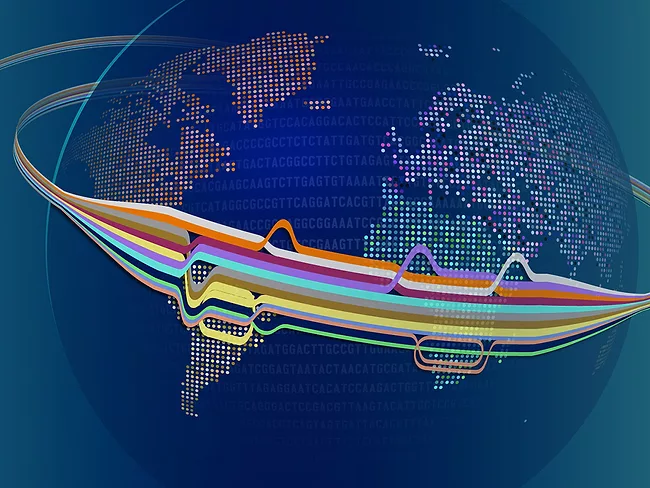
Current risk genes for some diseases such as multiple sclerosis (MS) may have emerged in the past as protection against infection by different pathogens. A group of researchers led by scientists from the University of Copenhagen has analyzed the ancient DNA of European populations and has revealed how MS, Alzheimer’s disease (AD) and diabetes arose as populations migrated. This evolution would explain the modern genetic diversity and the incidences of these pathologies observed today in the old continent.
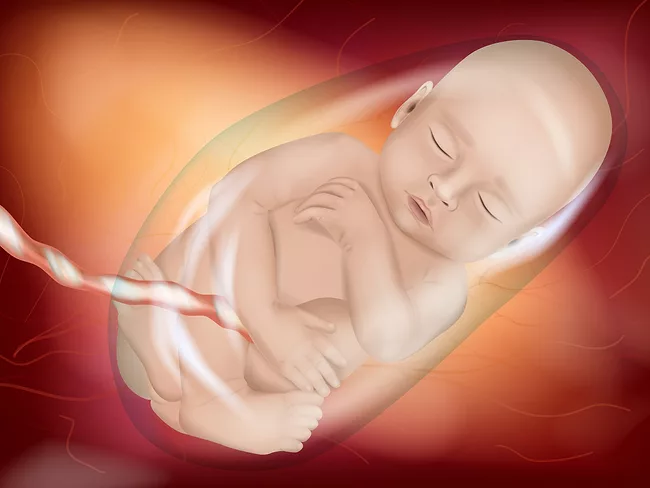
Listening to conversations between a mother and her unborn child on the cellular level could inform how the pregnancy is going and prevent complications. Three scientific groups from the Eunice Kennedy Shriver National Institute of Child Health and Human Development (NICHD), in collaboration with Wayne State University and Michigan State University, have used single-cell RNA sequencing techniques to decipher these words, identify the cellular language of these interactions in the placenta and establish a cellular atlas.
Current risk genes for some diseases such as multiple sclerosis (MS) may have emerged in the past as protection against infection by different pathogens. A group of researchers led by scientists from the University of Copenhagen has analyzed the ancient DNA of European populations and has revealed how MS, Alzheimer’s disease (AD) and diabetes arose as populations migrated. This evolution would explain the modern genetic diversity and the incidences of these pathologies observed today in the old continent.
If we unraveled the DNA of the 46 chromosomes of a single human cell, it would barely measure 2 meters. If we did the same with the rest of the body, if we aligned the 3 billion base pairs of its 5 trillion cells, we could travel the distance from the Earth to the Sun more than 100 times. It seems unreachable. However, that is the unit of knowledge of the large sequencing projects achieved in 2023.
If we unraveled the DNA of the 46 chromosomes of a single human cell, it would barely measure 2 meters. If we did the same with the rest of the body, if we aligned the 3 billion base pairs of its 5 trillion cells, we could travel the distance from the Earth to the Sun more than 100 times. It seems unreachable. However, that is the unit of knowledge of the large sequencing projects achieved in 2023. From the generation of the human pangenome to cell-by-cell maps of the brain and kidneys, scientists this year have completed several omics collaborative projects stored in large international databases. Now, what’s the plan?
Modifying a patient’s DNA is no longer just for science fiction novels. The CRISPR gene editing technique developed by Jennifer Doudna and Emmanuelle Charpentier only took 10 years to reach the market as Casgevy (exagamglogene autotemcel/exa-cel, Vertex Pharmaceuticals Inc.), treating congenital pathologies such as β-thalassemia and severe sickle cell disease. But science does not stop.
If we unraveled the DNA of the 46 chromosomes of a single human cell, it would barely measure 2 meters. If we did the same with the rest of the body, if we aligned the 3 billion base pairs of its 5 trillion cells, we could travel the distance from the Earth to the Sun more than 100 times. It seems unreachable. However, that is the unit of knowledge of the large sequencing projects achieved in 2023. From the generation of the human pangenome to cell-by-cell maps of the brain and kidneys, scientists this year have completed several omics collaborative projects stored in large international databases. Now, what’s the plan?
Modifying a patient’s DNA is no longer just for science fiction novels. The CRISPR gene editing technique developed by Jennifer Doudna and Emmanuelle Charpentier only took 10 years to reach the market as Casgevy (exagamglogene autotemcel/exa-cel, Vertex Pharmaceuticals Inc.), treating congenital pathologies such as β-thalassemia and severe sickle cell disease (SCD). But science does not stop.