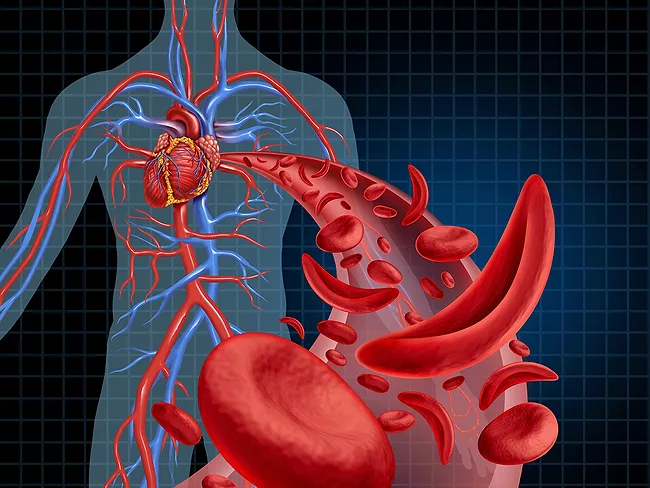
Only a couple of years since the first sickle cell disease (SCD) gene therapies gained U.S. FDA approval, researchers are working to expand access for younger children, and to improve manufacturing and commercialization to reach patients faster.
A total of 33 states, plus the District of Columbia and Puerto Rico, agreed to participate in the U.S. CMS’ voluntary, outcomes-based program aimed at helping state Medicaid programs cover high-priced cell and gene therapies, starting with therapies for sickle cell disease.
Orum Therapeutics Inc. struck a potential $945 million (₩1.3 trillion) deal with Vertex Pharmaceuticals Inc. to discover novel degrader antibody conjugates (DAC) as targeted conditioning agents for use with gene editing, including Vertex’s gene therapy, Casgevy (exagamglogene autotemcel).
The European Commission approved two therapies for progressive, genetic diseases: Biogen Inc.’s Friedreich’s ataxia drug, Skyclarys (omaveloxolone), and Crispr Therapeutics AG’s CRISPR/Cas9 gene therapy for sickle cell disease and transfusion-dependent beta-thalassemia, Casgevy (exagamglogene autotemcel, exa-cel).
Though the PDUFA date for its BLA wasn’t until March 30, 2024, Vertex Pharmaceuticals Inc. celebrated the U.S. FDA approval Jan. 16 for Casgevy (exagamglogene autotemcel), expanding use the CRISPR/Cas9 gene-edited cell therapy in patients, 12 and older, with transfusion-dependent beta-thalassemia.
The EMA has once again come in behind the U.S. FDA, granting market access to 77 new products in 2023, fewer than half the 157 approvals the FDA processed in the 11 months from January through December 2023.
Both Vertex Pharmaceuticals Inc.’s Casgevy (exagamglogene autotemcel, exa-cel) and Bluebird Bio Inc.’s Lyfgenia (lovotibeglogene autotemcel, lovo-cel) received U.S. FDA approval Dec. 8, providing 16,000 American sickle cell patients who have recurring vaso-occlusive events with access to the first cell-based gene therapies.
With a landmark U.K. approval in hand for Casgevy (exagamglogene autotemcel [exa-cel]) to treat sickle cell disease and transfusion-dependent beta thalassemia, Crispr Therapeutics AG and partner Vertex Therapeutics Inc. are turning their attention to the PDUFA dates set by the U.S. FDA for the treatment in both conditions.
Had it been asked to, the FDA’s Cellular, Tissue and Gene Therapies Advisory Committee would have voted Oct. 31 to recommend approval of Vertex Pharmaceutical Inc. and Crispr Therapeutics AG’s exagamglogene autotemcel, or exa-cel, as a one-time transformative treatment for severe sickle cell disease in individuals 12 and older.
It’s just a discussion next week of Vertex Pharmaceuticals Inc. and Crispr Therapeutics AG’s sickle cell disease (SCD) therapy, with no vote expected from the U.S. FDA’s Cellular, Tissue and Gene Therapies Advisory Committee. The FDA isn’t questioning the drug’s efficacy as much as it is concerned about the effects of off-target editing.