Echoing trends seen last year, the med-tech industry concluded 2023 with a continued surge in deal value juxtaposed against a more substantial decline in M&A value. Deal value for the year, including licensings, collaborations and joint ventures, reached $10.63 billion from 1,656 deals, the highest annual value in BioWorld’s records.
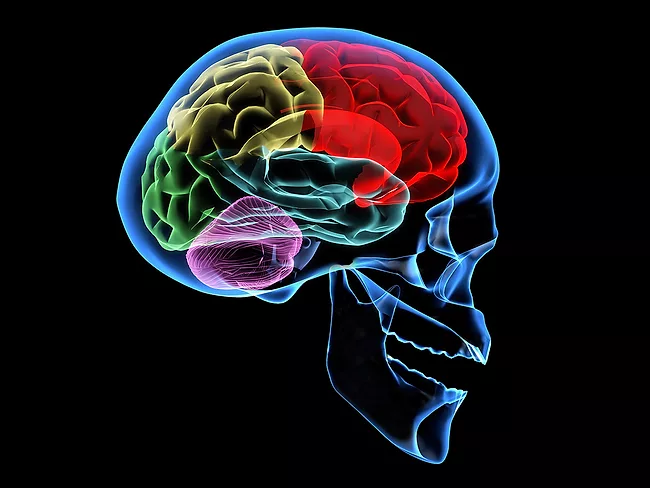
Researchers have for the first time used human neural stem cells to print 3D brain tissues that mimic the architecture of the brain’s outer layer, the cerebral cortex. This breakthrough technique, developed by a team from the U.K.’s University of Oxford, could one day be used to provide tailored repairs to the millions of people who suffer from severe brain injuries, for which there is no effective treatment.
Light therapy during sleep helps increase resistance to Alzheimer’s disease (AD) progression, a study in Frontiers of Optoelectronics suggests. The researchers found that photobiomodulation (PBM) during deep sleep improved the ability of the lymphatic system to flush beta-amyloid from the brains of mice, demonstrating the importance of sleep in fending off the neurodegenerative disease and opening a possible new therapy for prevention and treatment of Alzheimer’s.
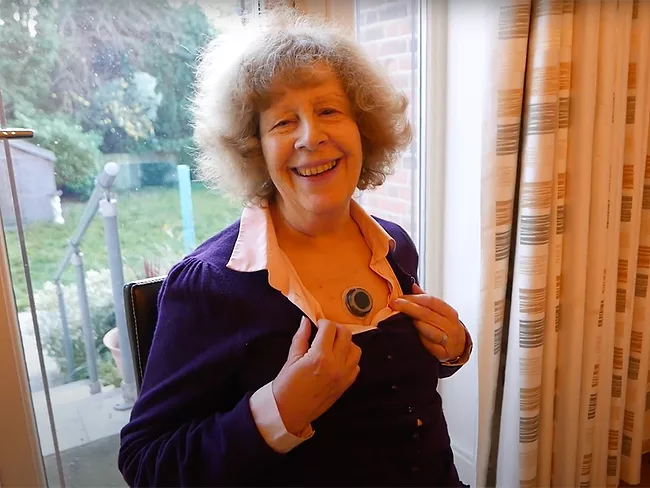
With a waiting list of some 90,000 people, startup company Charco Neurotech Ltd. is seeing growing demand for its Cue1 device which has shown to reduce the symptoms of Parkinson’s disease in patients suffering from the condition. The Cue1 is a non-invasive device that can literally change the day-to-day lives of people living with Parkinson's, Lucy Jung, CEO and co-founder of Charco, told BioWorld.
The latest patent application from Neuroderm Ltd. described a magnetic coupling and detection mechanism for its small two-part wearable infusion drug delivery device that delivers a liquid drug to Parkinson’s disease patients subcutaneously.
People who can’t verbalize their pain often end up being under medicated, and Painchek Ltd. uses artificial intelligence (AI) to identify the presence of pain even when it may not be obvious. This gives a voice to those who cannot verbalize pain, while also driving objectivity and consistency in pain assessments.
Neuraxis Inc. has initiated a clinical study to evaluate the efficacy of its IB-Stim neuromodulation system in treating children with post-concussion syndrome (PCS). The aim is to see whether IB-Stim can ease the constellation of symptoms that occur after mild traumatic brain injury such as headaches, dizziness and problems with concentration and memory.
The inter partes review (IPR) process used to adjudicate patent disputes in the U.S. has had its share of critics, but ongoing patent litigation revolving around nerve stimulation technology between Axonics Inc., and Medtronic plc has disclosed another bone of contention in how IPRs are handled. The Court of Appeals for the Federal Circuit has ruled that a patent holder, Dublin-based Medtronic in this instance, can offer a new claim construction for its disputed patent once an IPR has been instituted, but said also that the Patent Trial and Appeal Board (PTAB) had erred in not allowing Axonics to respond to the new claim construction, sending the related IPRs back to the PTAB for another look.
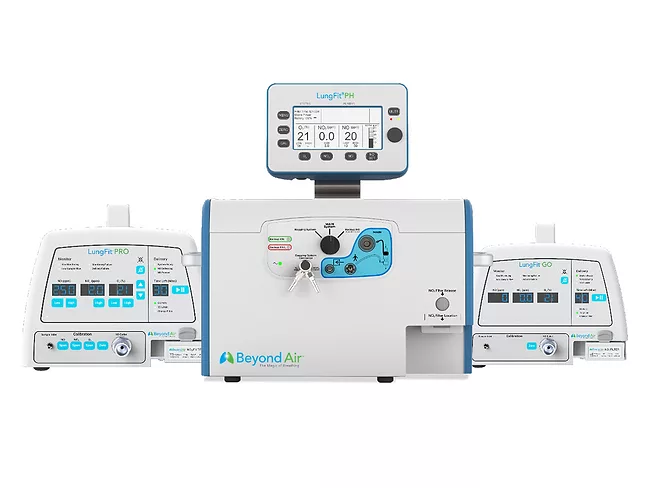
Beyond Air Inc. completed a senior secured debt financing of up to $40 million from Avenue Capital Group to support the company’s commercial launch of the Lungfit PH and further development of the Lungfit platform. Beyond Air is focused on applications of nitric oxide for the treatment of patients with a range of respiratory conditions. Its affiliate, Beyond Cancer Ltd., is developing a treatment for solid tumors that uses an ultra-high concentration of nitric oxide.
Results from a new study suggest that treatment with Magnus Medical Inc.'s Saint neuromodulation system causes abnormal brain signals to become normal by reversing the direction brain signals flow in severely depressed individuals. The researchers also identified a new biomarker that could help doctors diagnose and treat major depressive disorder (MDD).