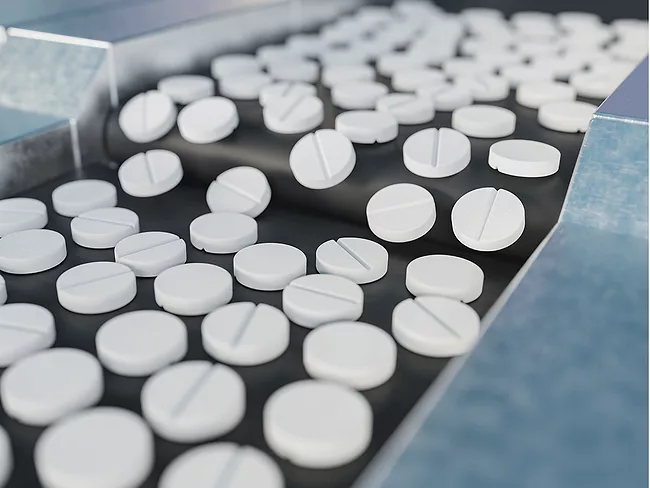
South Korea’s pharmaceutical manufacturing reached an all-time high of ₩32.86 trillion (US$23 billion) in 2024, representing a 7.3% increase from 2023 and the highest on record since the country began count in 1998.
Manufacturing issues are the latest problem for Ultragenyx Pharmaceutical Inc. to solve after last week’s disappointment in a phase III study to treat brittle bones. The U.S. FDA gave the company a complete response letter (CRL) regarding the BLA for its gene therapy to treat Sanfilippo syndrome type A, saying it needs more details and improvements made about CMC after having finished manufacturing facility inspections.
When it comes to the U.S. biopharma market, pricing seems to be the driving focus of most congressional conversations – and government contracts. Rep. Cliff Bentz, R-Ore., hit pause on that conversation at a June 11 House subcommittee hearing on the drug supply chain, when he asked if the U.S. is sacrificing security for price.
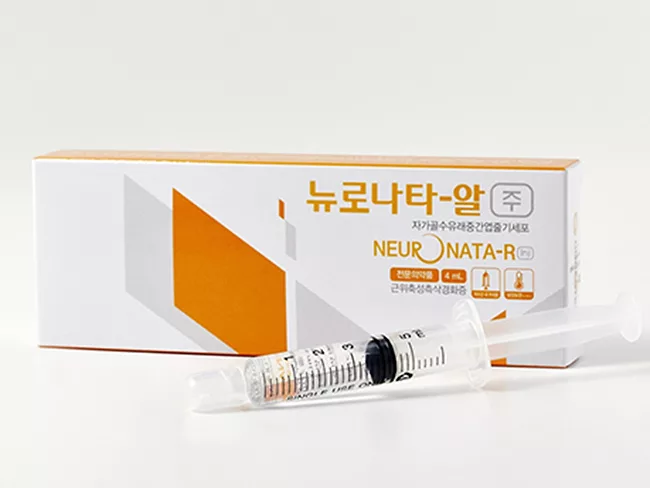
Corestemchemon Inc. is planning to file a BLA for Neuronata-R (lenzumestrocel) by the end of 2025 to gain accelerated approval from the U.S. FDA, company officials confirmed to BioWorld during a June 2 interview. Neuronata-R is an autologous bone marrow-derived mesenchymal stem cell therapy that first gained approval in South Korea in 2014 to delay the progression of amyotrophic lateral sclerosis (ALS), a progressive neurodegenerative disorder also known as Lou Gehrig’s disease.
Corestemchemon Inc. is planning to file a BLA for Neuronata-R (lenzumestrocel) by the end of 2025 to gain accelerated approval from the U.S. FDA, company officials confirmed to BioWorld during a June 2 interview. Neuronata-R is an autologous bone marrow-derived mesenchymal stem cell therapy that first gained approval in South Korea in 2014 to delay the progression of amyotrophic lateral sclerosis (ALS), a progressive neurodegenerative disorder also known as Lou Gehrig’s disease.
South Korean government and biopharmaceutical industry representatives urged American policymakers May 7 to refrain from imposing tariffs on pharmaceutical imports, and to spare allies if pharma tariffs are deemed necessary. Both Korea’s Ministry of Health and Welfare on May 4 and the Korea Biotechnology Industry Organization on May 6 submitted comments to the U.S. Department of Commerce in response to its ongoing investigation of pharmaceutical imports.
Korean pharmaceutical stocks rose across the board May 13, a day after U.S. President Donald Trump signed off on the most favored nation executive order, a drug pricing policy expected to benefit biosimilar makers in the U.S., according to Celltrion Inc.
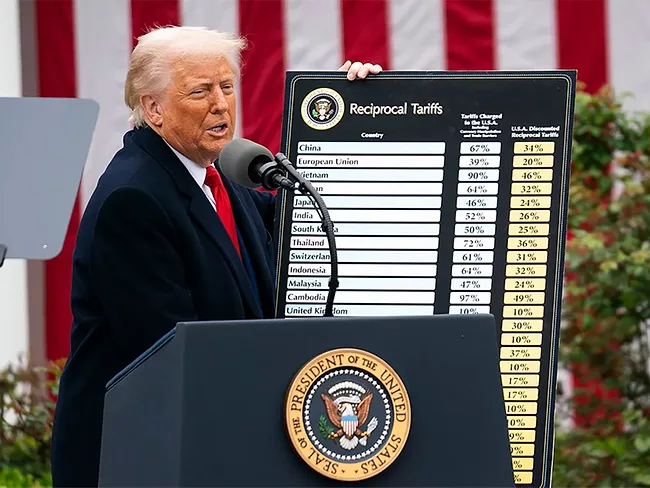
A number of biopharma and med-tech companies are committing to expand manufacturing and other facilities in the U.S. Some shifts could be driven by the tariffs imposed by President Trump in 2025, signaling a strategic move to mitigate costs and ensure continued growth
South Korean government and biopharmaceutical industry representatives urged American policymakers May 7 to refrain from imposing tariffs on pharmaceutical imports, and to spare allies if pharma tariffs are deemed necessary. Both Korea’s Ministry of Health and Welfare on May 4 and the Korea Biotechnology Industry Organization on May 6 submitted comments to the U.S. Department of Commerce in response to its ongoing investigation of pharmaceutical imports.
Med tech companies were reminded that there are opportunities in emerging and growing markets as they look for ways to adapt to the uncertainties created by the U.S. administration threats of import tariffs. With large populations, and relatively untapped markets, these opportunities represent new destinations for the med tech products. However, the U.S. cannot easily be replaced and there will be challenges in these markets, delegates heard at the LSX World Congress, in London.