“There’s a difference in knowing something and realizing something. We’ve known for quite a while now that we’re too dependent on other countries for our medical supplies. But during this pandemic, I think we’ve realized it,” U.S. Rep. Buddy Carter (R-Ga.) said at a recent congressional hearing on the progress being made in developing COVID-19 vaccines.
With the economy and public health on the line, U.S. President Donald Trump thumped his Made in America pulpit again Thursday on a campaign swing through Ohio, in which he vowed to bring the pharmaceutical supply chain home over the next four years.
In releasing its annual report card for drug manufacturing inspections in which the per-country/region grading curve peaked at 77% and bottomed at 68%, the FDA said, “All of these scores indicate an acceptable level of compliance to CGMPs [current good manufacturing practices] on average.”
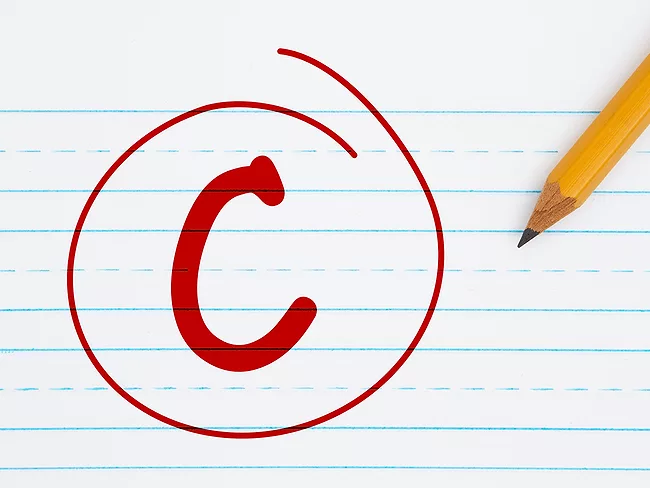
The latest FDA report card on the quality of drugs being sold in the U.S. is nothing to brag about. On a grading scale where 90% to 100% is an “A” and anything below 60% is failing, the average manufacturing site inspection score for drugs marketed in the U.S. in fiscal 2019 would be a solid “C” – or 7.4 on the FDA’s 10-point grading scale. But at least 10 sites had failing marks with scores of 5.
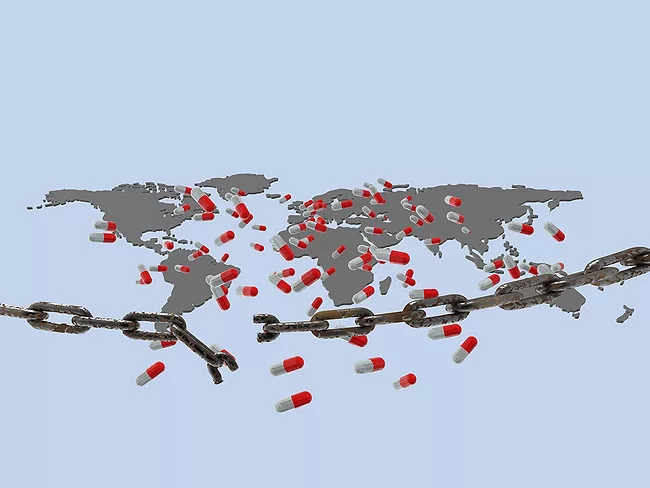
During a massive disaster or a pandemic, securing the necessary manufacturing capacity, needles, syringes, vials, properly labeled caps, reagents and other supplies is as critical as the development of the product itself. Some experts have been warning about these needs since COVID-19 first began spreading outside of China. Now members of Congress are sounding the alarm.
Scaling up to manufacture a massive volume of a COVID-19 vaccine, drug or innovative device that’s still in early stage development is easier said than done, especially in a global pandemic that has the supply chain stretched beyond capacity.
Responding to COVID-19’s wakeup call as it exposes the risks of relying heavily on foreign biopharma supply chains, the U.S. Department of Health and Human Services (HHS) signed a four-year, $354 million agreement with a team of private industry partners, led by Phlow Corp., to expand U.S. manufacturing of essential medicines at risk of shortage during the pandemic and in future public health emergencies.
LONDON – These are hardly times for a fanfare, but this month saw the unveiling of a new name in bioprocessing, following the formal closing of the $21.4 billion sale of GE Healthcare’s Life Sciences to Danaher Corp. The business, now renamed Cytiva, has turnover of $3.3 billion, nearly 7,000 employees and operations in 40 countries. More than 75% of FDA-approved biologic drugs use its products in their manufacture.
As the demand increases for ventilators to treat Americans with severe symptoms of COVID-19, another shortage is being exacerbated – a shortage of the drugs needed to treat patients on ventilators.
DUBLIN – Bio-Europe Spring’s virtual panel on the partnering dynamic between big pharma and microbiome-focused biotech firms was essentially an in-house webinar hosted by Seventure Partners, a Paris-based venture capital fund that has led the way in investing in microbiome-related therapeutics, diagnostics and other products.