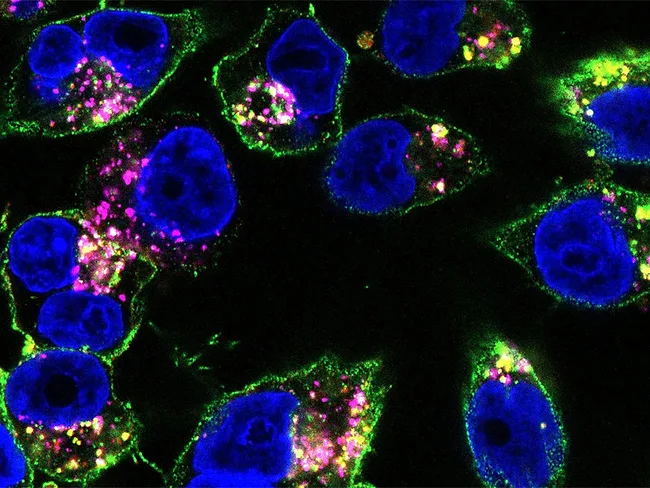
A single-cell transcriptomics study of the fetal-maternal tissue interface in preeclampsia at different stages of gestation provides new information about the distinct maternal and fetal cell processes contributing to the serious pregnancy complication and points in the direction of potential therapeutic targets.
After a decade of research, the NIH 4D Nucleome program on July 23 delivered a wealth of new insights into how spatial changes in chromatin structure and DNA methylation regulate gene expression in health and disease. In a collection of eight papers published in Science and Science Advances, researchers describe how they have applied single-cell level multi-omics data and tools and techniques developed in the first part of the 4D Nucleome program to track changes in the noncoding part of the genome that are involved in heart disease, Alzheimer’s disease, brain aging, retinal health and immune cell development.
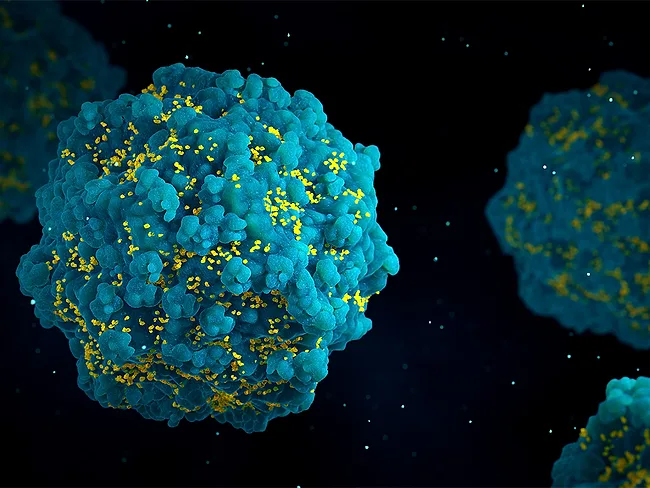
The HIV vaccine field is increasingly focusing on inducing broadly neutralizing antibodies (bNAbs) that can recognize the virus’s genetic diversity. Recent experimental approaches include germline-targeting vaccines, sequential immunization strategies, mRNA-based immunogens, and nanoparticle platforms displaying engineered HIV envelope (Env) trimers. Several studies published in 2025 and 2026 how these designs guide antibody maturation in humans and generate broad neutralizing responses in nonhuman primates, although no HIV vaccine has yet demonstrated protective efficacy in large clinical trials.
While the pace of executive orders (EOs) coming out of the White House continues to decline, the impact of new EOs on U.S. health agencies, life sciences industries and the practice of medicine remains just as disconcerting as a year ago.
Scientists in Europe have added their voices to the many thousands of objections made against proposed changes to the oversight of U.S. federal research grants, under which political appointees and not peer review experts would have the final say on who and what gets funding. The concern is that awarding grants, based on the principle that research proposals must be in keeping with President Donald Trump’s policy priorities, poses a threat to open scientific inquiry and academic freedom, and also will undermine international research collaboration.
Researchers at Washington University in St. Louis have used click chemistry to link a second antibody to a pre-existing antibody-drug conjugate (ADC) in vivo. In preclinical models of HER2 and EGFR co-expressing pancreatic, breast and gastric tumors, sequential administration of the ADC and the second antibody was better at shrinking tumors than either ADC monotherapy or a combination of antibody and ADC treatment.
Respiratory syncytial virus (RSV) infection is responsible for 3.2 million hospital admissions and about 118,000 deaths in children under 5 years of age. The increased risk of RSV infection (and other infectious diseases) in young children is broadly attributed to their immature immune system. But researchers from University College London have published work suggesting that this is not the only reason.
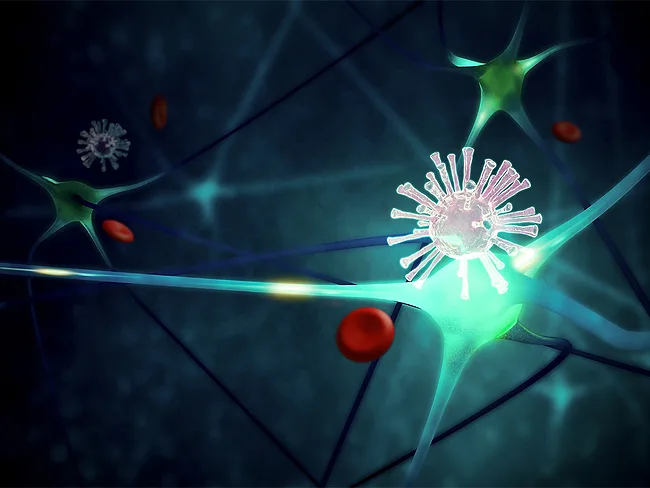
New research has teased out specific aspects of how Epstein-Barr virus (EBV) sparks the immune response that leads on to the development of multiple sclerosis (MS), opening the way to the rational design of vaccines and antivirals that address the root cause of the disease.
New research has teased out specific aspects of how Epstein-Barr virus (EBV) sparks the immune response that leads on to the development of multiple sclerosis (MS), opening the way to the rational design of vaccines and antivirals that address the root cause of the disease.
Certain cancers that contain organized clusters of immune cells known as tertiary lymphoid structures (TLS) do not respond to treatment as well as expected. Even though they have TLS that support the elimination of cancer cells, they remain resistant to immunotherapy. γ-Aminobutyric acid (GABA), better known as the brain’s major inhibitory neurotransmitter, may play a role in this lack of response by acting as an immunoregulatory metabolite, according to a study led by scientists at Sorbonne Université.
 RSS
RSS