New and updated preclinical and clinical data presented by biopharma firms at the European Hematology Association Congress, including: Actinium, Aptose, Cellectis, Disc, Geron, Gracell, Humanigen, Innate, Innovent, Kura, Modus, Nkarta, Salarius, Sumitomo.
Disc Medicine Inc.’s positive phase II data from an ongoing, open-label trial called Beacon with oral bitopertin in erythropoietic protoporphyria (EPP) and X-linked protoporphyria (XLP) whetted investor appetite for the results of the other mid-stage Disc experiment known as Aurora with the compound, due early next year.
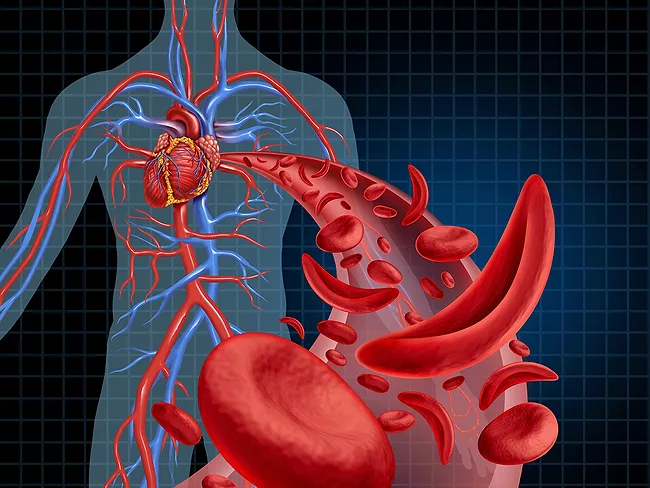
Barring truly major surprises, exagamglogene autotemcel (Exa-cel, Vertex Pharmaceuticals Inc.) is on track to become the first approved CRISPR-based gene editing therapy. It is partly in expectation of Exa-cel’s approval that the European Hematology Association (EHA) and the European Society for Bone Marrow Transplantation hosted a session on “transplantation versus gene therapy in sickle cell disease.”
New and updated preclinical and clinical data presented by biopharma firms at the American Society of Clinical Oncology annual meeting, including: Amgen, Ascentage, Beyondspring, Bicara, Cohbar, Immvira, Jazz, Kite, Merck & Co., Moderna, Morphogenesis, Nascent, Neximmune, Nkgen, Oncoinvent, Oncolytics, Portage, Precigen, Promontory, Puma, Replimune, Servier, Sorrento, Sutro, Zentalis, Zymeworks.
New and updated preclinical and clinical data presented by biopharma firms at the American Society of Clinical Oncology annual meeting, including: Agenus, Akeso, Alligator, Arcus, Atara, Bold, Coherus, Dragonfly, Ellipses, Erasca, Fulgent Genetics, Galera, Gilead, Gilead Sciences, Gracell, Iaso, Immunocore, Immunogen, Immutep, Innovent Biologics, Intensity, ISA, Janssen, Kite, Linnaeus, Memgen, NEC, Precigen, Transcenta, Transgene.
Since accelerated approvals first began to be granted in 1992, their pace for cancer indications has increased dramatically but a revolution in science has made it tough for the U.S. FDA to find its balance.
When combined with chemotherapy, the PD-1 inhibitor antibody toripalimab reduced the risk of death by 37% over chemotherapy alone when used first line in patients with recurrent or metastatic nasopharyngeal carcinoma, Coherus Biosciences Inc. revealed at this year’s American Society of Clinical Oncology meeting (ASCO).
New and updated preclinical and clinical data presented by biopharma firms at the American Society of Clinical Oncology annual meeting, including: Affimed, Allogene, Amgen, Apexigen, Astrazeneca, Atreca, Bayer, Blueprint, BMS, Cantargia, Catalym, Chimeric, Cogent, Compugen, CSPC, Cyteir, Day One, Daiichi, Elevation, Elicio, Evaxion, G1, Merck & Co.
Impressive data continue to roll out for Day One Biopharmaceuticals Inc.’s tovorafenib in pediatric low-grade glioma, with results from 69 evaluable patients with relapsed or progressive disease showing a 67% overall response rate, as measured by Response Assessment for Neuro-Oncology High-Grade Glioma, in the phase II Firefly-1 trial.
Positive data from two studies treating early breast cancer with CDK4/6 inhibitors presented at the American Society of Clinical Oncology (ASCO) meeting in Chicago showed progress is helping patients live longer. The two treatments and companies, Novartis AG and Eli Lilly and Co., are nearly head-to-head competitors in the niche indication.

 RSS
RSS