If you believe the theme of the World Dementia Council (WDC) meeting in London this week, dementia is “in a new era,” where it will be possible to prevent, diagnose and treat neurodegenerative disease. That is not the case for most people living with dementia today, but the approval of the first disease-modifying drugs and the imminent arrival of new blood-based biomarkers is “a big moment,” Lenny Shallcross, executive director of WDC told the meeting on Mar. 20.
Takeda Pharmaceutical Co. Ltd.’s oral allosteric tyrosine kinase 2 inhibitor TAK-279 (formerly NDI-034858) met primary and secondary endpoints in a phase IIb clinical trial in patients with moderate to severe plaque psoriasis, but analysts say it may be too little too late to make a big splash compared to competitors.
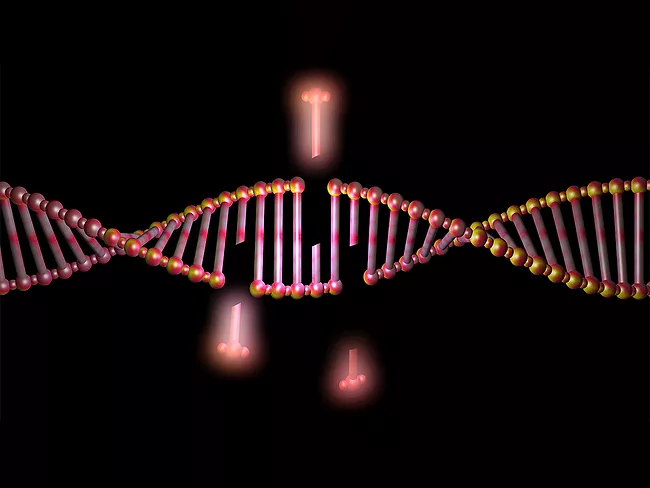
Somatic human genome editing has made huge strides in the past five years, but the likely extremely high prices will be unsustainable. A global commitment to affordable, equitable access is urgently needed because the costs and infrastructure needs of this form of treatment are not manageable for either patients or health care systems.
Whether as primary tumors or metastases, brain tumors remain stubbornly intractable to the progress that has occurred in many other tumor types. As Igor Vivanco, who is a senior lecturer in the Institute of Pharmaceutical Science at King’s College London, noted in his talk at the European Society for Medical Oncology Targeted Anticancer Therapies (ESMO TAT) meeting in Paris this week, the last win in glioblastoma was the addition of temozolomide to the radiotherapy standard of care in 2005. And temozolomide’s benefit is measured in months, not years.
The U.S. Recover program, set up in July 2022 to identify the causes of long COVID, find biomarkers of disease and discover new therapeutic targets, is now preparing to move to its next phase and begin testing potential treatments in a multi-arm, randomized, placebo-controlled trial. But with 200 different symptoms, and limited understanding of relevant system-level pathological targets, there are significant hurdles to be overcome.
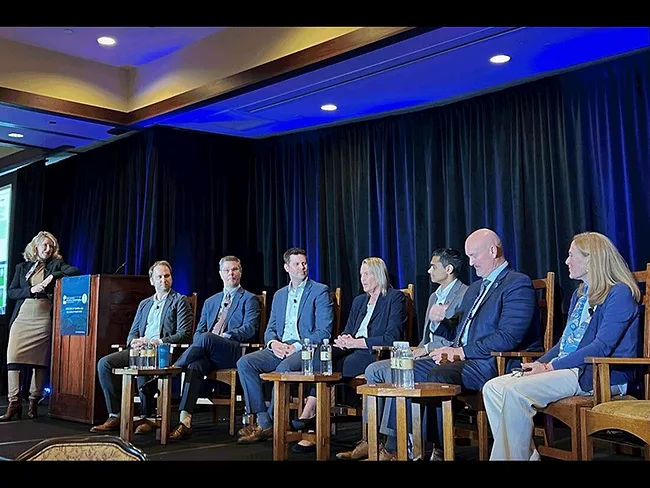
According to venture capitalists on three different panels at Biocom California’s Global Life Science Partnering & Investor Conference, there’s still money available for newcos looking to get started. But the pitch they’re going to have to make to VCs is a little different than what would have worked a few years ago.
During two different panels at Biocom California’s Global Life Science Partnering & Investor Conference, executives from a variety of pharmaceutical companies laid out their wants and needs in the current market environment. Large drug companies have relied on biotech companies to build out their pipelines for many years, but the level of outside inventions has been increasing over the last few years.
Performing experiments and potentially manufacturing products in space offers some unique advantages in a near-zero gravity environment. Space changes buoyancy, hydrostatic pressure and convective heat flow. Researchers are studying how those changes affect cells, but also looking to take advantage of the changes to create products in manufacturing processes that wouldn’t be possible on earth.
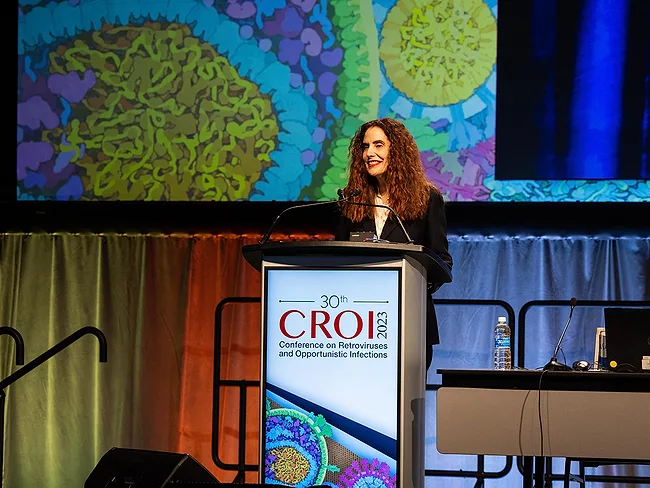
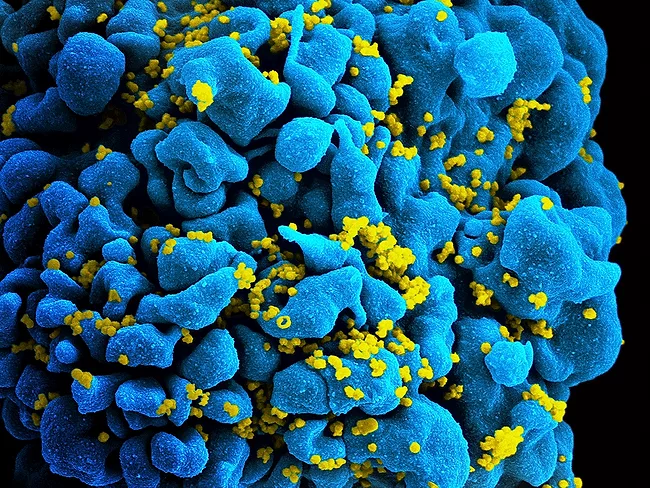
HIV research is a winding road where one obstacle leads to another, slowing down success. The first barrier to getting the cure starts before one can even talk about it. “Cure may be too powerful and promising a term. Remission is probably better,” said John Mellors, whose work led to the universal use of plasma HIV-1 RNA and CD4+ T-cell counts in HIV-1 infection.
“Cure means maintaining an undetectable viral load off antiretroviral treatment. That means you cannot transmit it to people. Within that definition, there are people that have complete eradication of every single virus. And then, you have people that have a low level of virus that are able to keep under control without drugs,” Sharon Lewin told BioWorld. “Remission is maintaining a viral load less than 50 copies per milliliter in the absence of any retroviral. But there is still virus detectable,” she explained. Lewin is the director of The Peter Doherty Institute for Infection and Immunity in Melbourne, and the president of the International AIDS Society (IAS).
In the larger picture, the fight against HIV has been a triumph of modern medicine. A patient diagnosed with HIV in the 1980s had a remaining life expectancy of 1 to 2 years. In 2023, they can expect to live another half century. But so far, an HIV vaccine has remained elusive. In the newest phase III failure, Janssen Pharmaceutical Cos. of Johnson & Johnson closed down its Mosaico trial more than a year ahead of schedule, following a data and safety monitoring board’s (DSMB) report saying the study was not expected to hit its primary endpoint.
 RSS
RSS