Hailing it as a win-win and a historic step forward in fighting chronic disease, the Trump administration announced pricing agreements Nov. 6 with Eli Lilly and Co. and Novo Nordisk A/S that will expand the availability of the companies’ weight loss drugs by cutting prices and, for the first time, providing coverage for the drugs in obesity through Medicare and Medicaid.
The U.S. FDA has approved UCB SA’s Kygevvi (doxecitine and doxribtimine), the first treatment for the ultra-rare, genetic and life-threatening mitochondrial disease thymidine kinase 2 deficiency. The approval comes as the company reaps a reward of rebuilding and reorganizing that it began little more than a year ago.
Pfizer Inc. upped its original $7.3 billion September offer to buy Metsera Inc., but the obesity specialist maintained that a now-improved unsolicited bid by semaglutide developer Novo Nordisk A/S is superior.
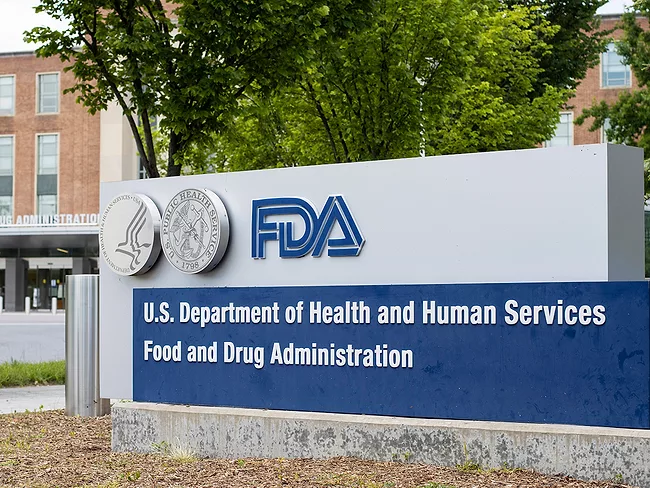
The U.S. FDA once again has a leadership gap at the top of its drug center, which already has been ravaged this year by massive terminations, resignations and retirements of senior leaders. George Tidmarsh, a biopharma industry veteran who’s helmed CDER for a little more than three months, resigned effective immediately Nov. 2 after being placed on administrative leave two days earlier amid a Department of Health and Human Services probe.
Vera Therapeutics Inc.’s atacicept gained still more airtime at the Cantor Fitgerald health care conference held Sept. 4, and some on Wall Street believe the appetite for the BAFF and APRIL dual inhibitor could bode well for others in the same mechanistic space.
The activin E mechanism of action in obesity is having something of an early stage heyday with such players as Wave Life Sciences Ltd. and Ibio Inc. talking up data that have perked the ears of Wall Street.
Pfizer Inc. is threatening legal action at an attempt by Novo Nordisk A/S to scupper its acquisition of Metsera Inc., with an unsolicited $9 billion offer for the anti-obesity specialist. That trumps Pfizer’s agreed bid made in September, which valued New York-based Metsera at $7.3 billion.
Ascletis Pharma Inc. has selected ASC-36, a once-monthly, potentially best-in-class subcutaneously administered amylin receptor peptide agonist, as a clinical development candidate.
Only two days after Bridgebio Pharma Inc. impressed investors with data from BBP-418 in limb-girdle muscular dystrophy type 2I/R9, the company was back at it again, this time reporting positive top-line results from its global phase III study of encaleret in autosomal dominant hypocalcemia type 1, a genetic form of hypoparathyroidism.
Genescience Pharmaceuticals Co. Ltd. has identified sodium-dependent neutral amino acid transporter B(0)AT1 (SLC6A19) inhibitors reported to be useful for the treatment of phenylketonuria (PKU).
 RSS
RSS