A new study has shown that a uterine bacterium is one cause of endometriosis and that preventing the infection could prevent development of the pathology, in which tissue similar to the lining of the uterus grows in the abdominal cavity.
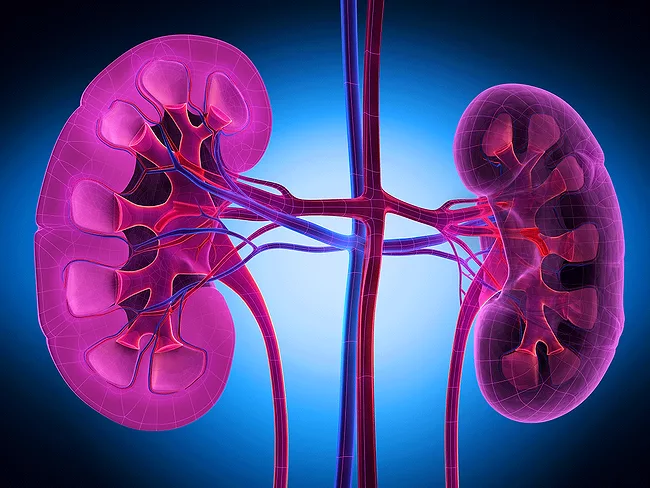
On a quest to boost its renal diseases pipeline with two late-stage drugs, Novartis AG has announced plans to acquire precision medicines drug developer Chinook Therapeutics Inc., offering up to $3.5 billion. The move drove Chinook’s shares (NASDAQ:KDNY) up by 58.3%, or $13.99, on June 12, closing at $37.98.
Ether lipids (EL) are glycerophospholipids with a different structure and functional characteristics than fatty acids, thus requiring a specialized biosynthesis pathway. Peroxisomal fatty acyl-CoA reductase 1 (FAR1) is a rate-limiting enzyme for ether lipid synthesis, with mutations associated with a rare human disease. Moreover, altered EL homeostasis has been observed in various prevalent human diseases.
Urinary tract infections (UTIs) are often recurrent. The organism does not always establish an effective line of defense that protects from reinfection. The key lies in two reservoirs of bacteria and how tissue-resident memory T cells (TRMs) trigger the immune response. A recent paper from the Pasteur Institute in France describes how these cells mediate immunity to defeat reinfection.
Rona Therapeutics Co. Ltd. and Keymed Biosciences Co. Ltd. formed a collaboration to jointly discover and develop first-in-class siRNA therapeutics for glomerulonephritis, also known as severe kidney diseases.
Rona Therapeutics Co. Ltd. and Keymed Biosciences Co. Ltd. formed a collaboration to jointly discover and develop first-in-class siRNA therapeutics for glomerulonephritis, also known as severe kidney diseases.
The U.S. FDA has approved a non-hormonal treatment from Astellas Pharma Inc. to reduce the number and severity of hot flashes. Veozah (fezolinetant), an oral, once-daily compound that targets the neurokinin-3 (NK3) receptor, is approved for treating moderate to severe vasomotor symptoms due to menopause. It’s the first NK3 receptor antagonist the FDA has greenlighted for the indication. The approval came on May 12, well before its May 22 PDUFA date. The PDUFA date was originally set for Feb. 22 but the FDA extended it, saying it needed more time to complete the NDA’s priority review. Veozah’s wholesale acquisition cost is $550 for a month’s supply and should be available by early June.
The U.S. FDA has approved a non-hormonal treatment from Astellas Pharma Inc. to reduce the number and severity of hot flashes. Veozah (fezolinetant), an oral, once-daily compound that targets the neurokinin-3 (NK3) receptor, is approved for treating moderate to severe vasomotor symptoms due to menopause. It’s the first NK3 receptor antagonist the FDA has greenlighted for the indication. The approval came on May 12, well before its May 22 PDUFA date. The PDUFA date was originally set for Feb. 22 but the FDA extended it, saying it needed more time to complete the NDA’s priority review. Veozah’s wholesale acquisition cost is $550 for a month’s supply and should be available by early June.
Despite hitting a phase III study’s primary and key secondary endpoints for treating diabetic kidney disease, Reata Pharmaceuticals Inc. is discontinuing its bardoxolone programs for the indication. The data that disappointed Reata were, after three years of treatment, finding no separation in end-stage renal disease events between the bardoxolone and placebo groups.
Saddled with disappointing results from a phase III trial with Filspari (sparsentan) in focal segmental glomerulosclerosis (FSGS), officials of Travere Therapeutics Inc. stressed the differences between that disorder and IgA nephropathy (IgAN) – for which the drug was cleared by the U.S. FDA in February. Two-year IgAN efficacy data are due in the fourth quarter of this year.

 RSS
RSS