Rewalk Robotics Ltd. took strides to expand its portfolio—and achieve profitability—with an agreement to acquire Alterg Inc., a provider of anti-gravity systems for use in physical and neurological rehabilitation. Alterg uses NASA-derived differential air pressure (DAP) technology to reduce gravity’s effects on individuals with mobility challenges and pain. The $19 million deal is expected to close August 11, with additional cash earnouts tied to future revenue growth over the next two years.
In game-changing news for parents of children with cerebral palsy, researchers demonstrated significant clinical improvement in the sensorimotor function of children who underwent sessions using Spinex Inc.’s Spinal Cord Innovation in Pediatrics (Scip) therapy. With current treatment options limited to physical therapy, medication and/or surgery, Parag Gad, co-founder and CEO of Spinex, told BioWorld he believes that Scip therapy “can be the new standard of care” for children with cerebral palsy.
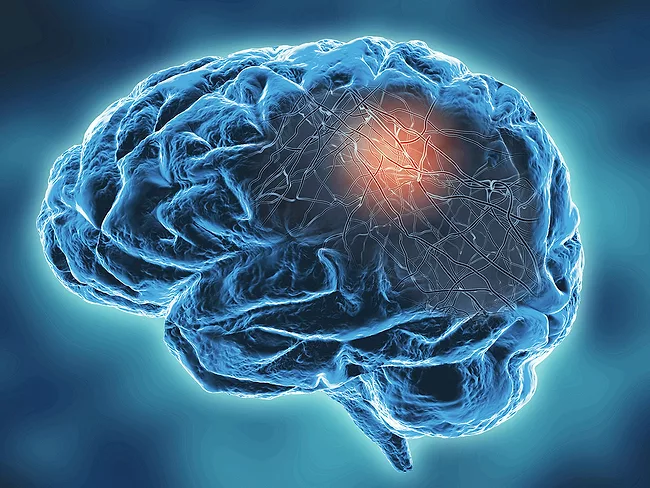
With more drugs for Alzheimer’s disease (AD) gaining FDA approval and an aging population at increased risk of dementia, the need for AD diagnostics is only going to grow. An estimated 6.7 million Americans live with Alzheimer’s today, with that number projected to hit 14 million by 2060, according to the CDC.
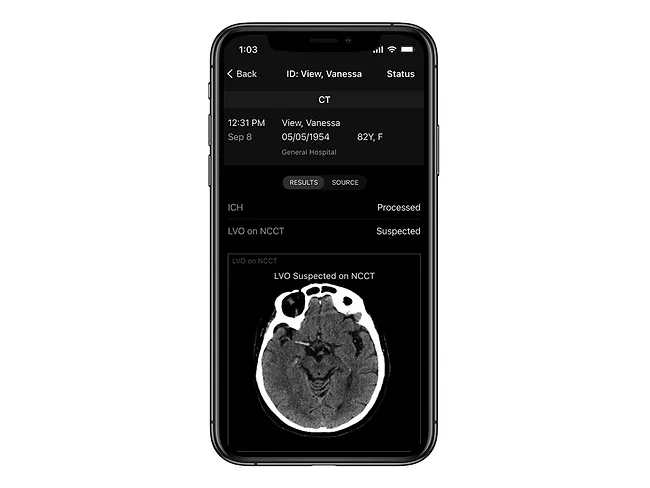
A research team from Leipzig University, the Max Planck Institute and Heidelberg University, all in Germany, devised a new segmentation algorithm for stroke lesions that improves upon previous methods. They used machine-learning models to effect CT image segmentation in the early stages of acute stroke. The research team published their findings on the fully convolutional graph network in July in the Journal of Medical Imaging.
The first participants are being treated in a clinical trial assessing a neuromodulation system developed by Magnus Medical Inc. to treat depression. The system employs the recently FDA-cleared Saint neuromodulation technology that saw remarkable results in a clinical trial for treating major depressive disorder (MDD). The new Open Label Optimization (OLO) clinical trial is evaluating the effectiveness of this platform in conjunction with the medtech’s Magnus Neuromodulation System.
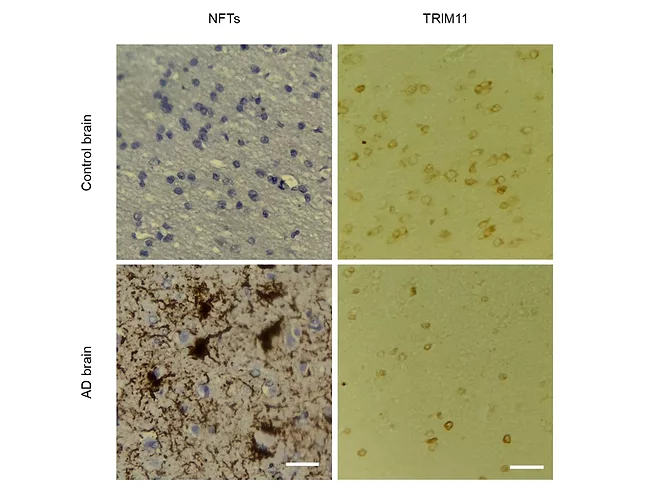
Protein quality control research is “almost exclusively focused on heat shock proteins, which are ubiquitously present” up and down the evolutionary chain, Xiaolu Yang told BioWorld. But “for more sophisticated organisms, which we humans like to think we are, it’s a little odd that we still use the system that bacteria started with…. It seems like we should have something more. The TRIM system,” he added, “fills that gap.”
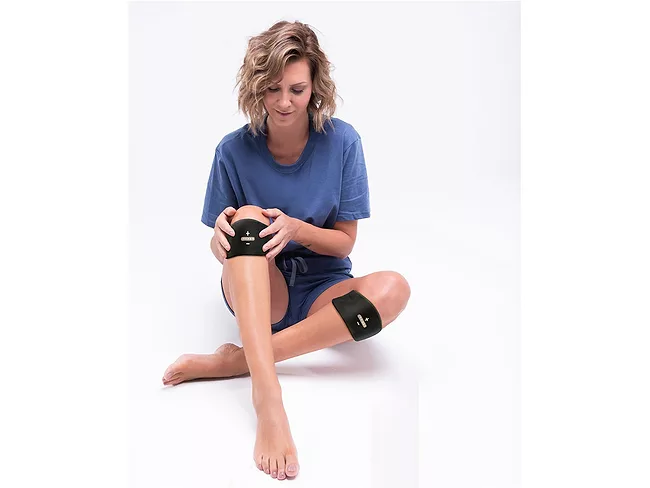
In good news for those who toss and turn in the night with restless legs syndrome and their bed partners, bioelectronic technology appears to reduce the disruptive and uncontrolled movement. Researchers claimed that the NTX100 tonic motor activation (TOMAC) therapy, developed by Noctrix Health Inc., has the potential to transform treatment for people with restless legs syndrome (RLS) who are resistant to medications.
Rapidai Inc. landed $75 million in a series C financing led by Vista Credit Partners. The funds will be used to fuel development of additional indications and expand market reach of its artificial intelligence (AI)-powered clinical decisionmaking and workflow support technology. With this latest round, the San Mateo, Calif.-based company has raised approximately $100 million, according to Crunchbase.
Arsenal Medical Inc. said its Neocast embolic material for neurovascular conditions was successfully used to treat its first patient. The patient was embolized as part of a first-in-human study to assess the safety and feasibility of Neocast for the embolization of brain tumors to more easily enable surgical removal.
The identification of new targets in diseases of the central nervous system (CNS) such as Alzheimer’s and Parkinson’s – conditions which continue to have significant unmet needs – has taken a small step forward as one company, Violet Therapeutics Inc., plans to put $10.6 million in seed funding toward building out a pipeline based on technologies that elucidate the way cells interact amongst one another.
 RSS
RSS