Researchers have for the first time used human neural stem cells to print 3D brain tissues that mimic the architecture of the brain’s outer layer, the cerebral cortex. This breakthrough technique, developed by a team from the U.K.’s University of Oxford, could one day be used to provide tailored repairs to the millions of people who suffer from severe brain injuries, for which there is no effective treatment.
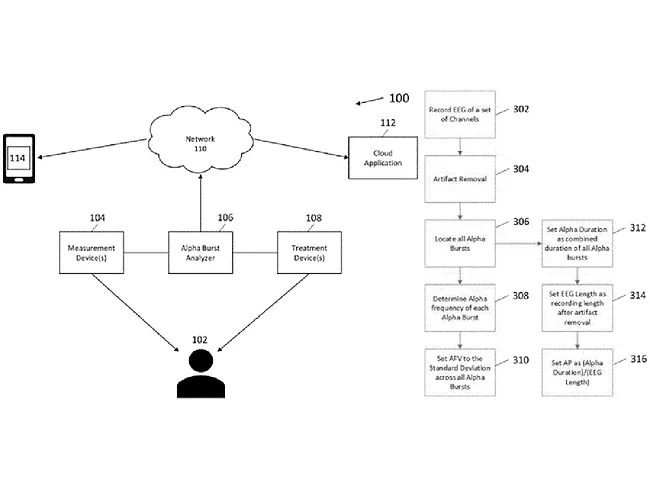
Wave Neuroscience Inc. is seeking patent protection for systems and methods for determining and optimizing the alpha burst parameters associated with a subject's brain.
For individuals who develop an unexpected psychosis, there is something to be said for testing them for autoimmune antibodies. And something against. At the 36th Congress of the European College of Neuropsychopharmacology (ECNP) this week, the topic was worth a controversy session, where speakers presented the pros and cons of the approach. Currently used tests have a specificity of 99%. But as Ester Coutinho, consultant neurologist at the University of Coimbra, pointed out, the validity of diagnostic tests depends on the prevalence of the disorder one is looking for as well. Coutinho estimated that autoimmune psychoses account for 1% of psychoses overall.
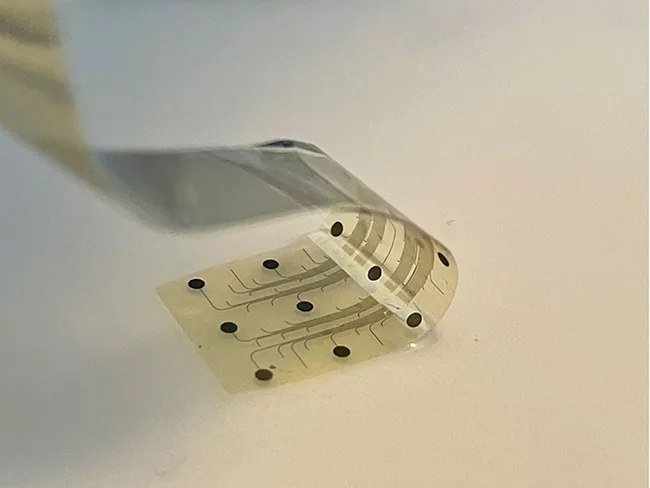
Inbrain Neuroelectronics SL was granted a breakthrough device designation from the U.S. FDA for its graphene-based neural platform as an adjunctive therapy for treating Parkinson’s disease. The platform, called intelligent network modulation system, harnesses the power of graphene and artificial intelligence to deliver highly focused, adaptive neuroelectronic therapy that re-balances pathological neural networks, easing the symptoms of Parkinson’s.
The broadest view of post-mortem brains in Alzheimer’s disease (AD) has unveiled the genome, transcriptome and epigenome alterations of this neurodegenerative condition. The coordinated research, directed by scientists at the Massachusetts Institute of Technology (MIT), also described new cellular pathways that could help the scientific community design new therapies. Four simultaneous studies published on Sept. 28, 2023, in Cell, presented a brain single-cell atlas of AD, exposed the damage that affects DNA, and described the processes that alter the microglia and dysregulate the epigenome.
Boston Scientific Corp.’s plan to acquire Relievant Medsystems Inc. is part of its ongoing effort to address chronic pain which is significantly impacting the quality of life of millions of people. Relievant’s Intracept intraosseous nerve ablation system will give Boston Scientific another tool in its armory to tackle chronic pain which already includes radiofrequency ablation (RFA) solutions and spinal cord stimulator (SCS) systems.
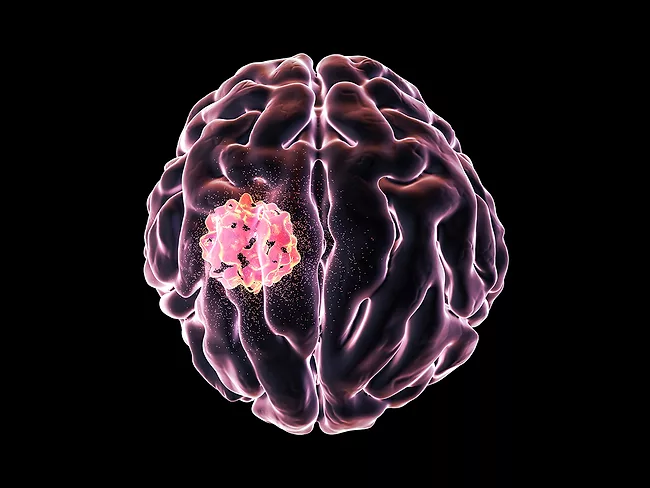
Patients with metastatic brain tumors are among the most desperate of patients for at least a modestly effective treatment let alone a cure, and GT Medical Technologies Inc., of Tempe, Ariz., reported the interim findings from a study of 48 patients suffering from a total of 51 brain metastases. Four-month data from this study demonstrate that implant of the Gammatile device is safe as demonstrated by the lack of adverse events, and these results combined with other data suggest that this device can offer this patient population real hope of surviving one of the deadliest series of afflictions known to humankind.
A new gene editing method uses the CRISPR technique to modify the cells of an organ in vivo, creating a mosaic used to identify the effects of each altered gene. Scientists from the Swiss Federal Institute of Technology (ETH) in Zürich developed this technology called AAV-Perturb-seq, based on adeno-associated virus (AAV) to target, edit and analyze single-cell genetic perturbations.
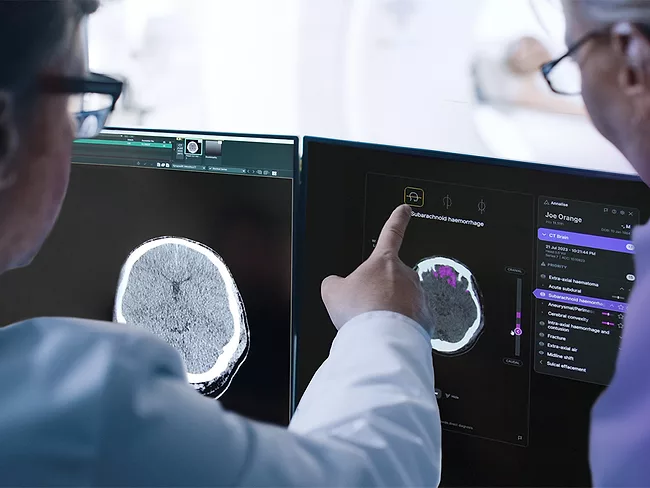
An artificial intelligence (AI) tool developed by Annalise.ai Pty Ltd. was able to improve radiologists’ accuracy in detecting abnormalities on non-contrast computed tomography brain (CTB) scans. According to a study published in European Radiology, the Annalise Enterprise CTB module improved radiologists' accuracy by 32% and reduced their overall reading time by 11%.
Light therapy during sleep helps increase resistance to Alzheimer’s disease (AD) progression, a study in Frontiers of Optoelectronics suggests. The researchers found that photobiomodulation (PBM) during deep sleep improved the ability of the lymphatic system to flush beta-amyloid from the brains of mice, demonstrating the importance of sleep in fending off the neurodegenerative disease and opening a possible new therapy for prevention and treatment of Alzheimer’s.

 RSS
RSS