A team of inventors predominantly based in the state of New York are seeking patent protection for an earbud system that integrates real-time electroencephalography (EEG) monitoring with audio playback. Using specialized silicone electrodes, it captures and interprets EEG data, serving as a passive and continuous tool for screening neurological conditions.
Quibim SL recently launched its artificial intelligence (AI)-based software QP-Brain, which is designed to detect early-stage neurodegenerative diseases, after it received U.S. FDA 510(k) clearance, as well as CE and UKCA marks from the EU and U.K. regulators, respectively. QP-Brain quantifies and presents data from patients’ brain images to help clinicians with early diagnosis and treatment strategies for diseases such as Alzheimer’s, multiple sclerosis and dementia.
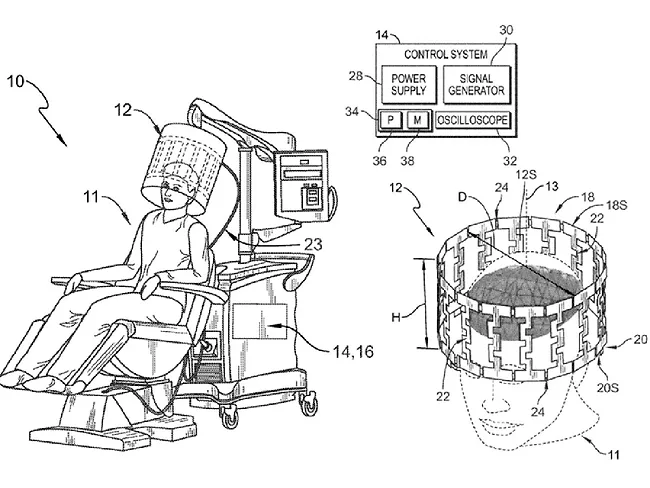
Researchers from Indiana University are seeking patent protection for an electromagnetic field (EMF) generation system for treating neurodegenerative diseases. The EMF generation system emulates a small-scale magnetic resonance imaging (MRI) machine, producing the same 64 MHz frequency at a much lower operating power.
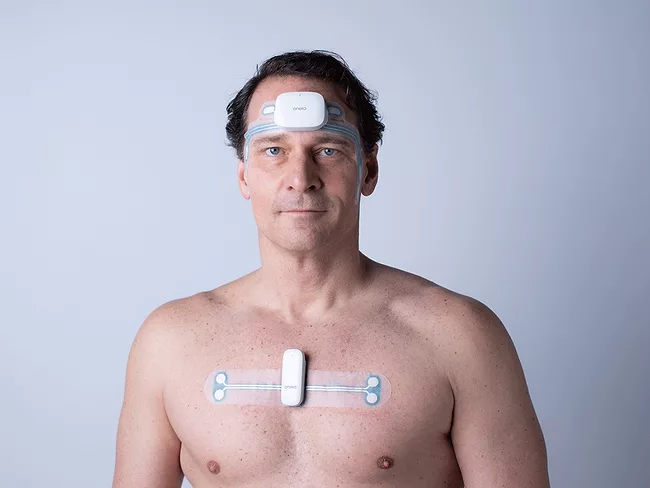
Onera Technologies BV raised €30 million (US$32.7 million) in a series C funding round that will allow the company to accelerate the manufacturing and deployment of its patch-based sleep test system. The funds will also go towards concluding the development of the company’s second-generation polysomnography (PSG) system.
Medtronic plc received the greenlight from the U.S. FDA for its latest deep brain stimulation system, the Percept RC. The rechargeable neurostimulator includes the company’s sensing technology which captures data from brain signals and allows for more personalized therapy.
The first patenting from Mhealthcare Inc. describes a patient examination table or bed equipped with a variety of sensors, data from which may be analyzed with trained machine learning models to facilitate risk assessment and diagnosis of non-neurotypical developmental conditions such as autism in infants and young children by predicting cognitive, behavioral, social and developmental outcomes as early as the first three months of life. It is also claimed that the table may be used to diagnose epilepsy and Alzheimer’s disease.
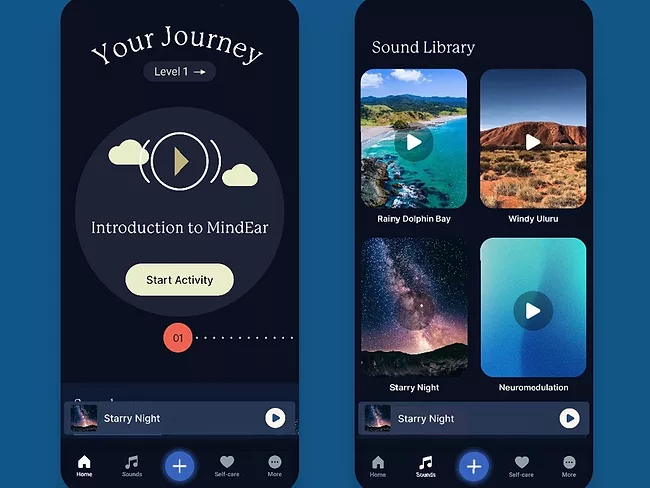
Researchers from the University of Auckland have developed a smartphone app called Mindear that reduced the impact of tinnitus in two-thirds of users over eight weeks.Tinnitus, often referred to as ringing in the ears, is the perception of sound without an external source and affects 10% to 15% of the global adult population. Previous studies to treat tinnitus have focused on neuromodulation devices, but a smartphone app could make treatment more accessible to a wider population.
Boston Scientific Corp. agreed to acquire neurostimulation company Axonics Inc. for $71 per share or $3.7 billion in total. Axonics focuses on stimulation of the sacral neve to treat overactive bladder and bowel dysfunction. It also offers a bulking agent to address stress urinary incontinence in women.
The deal is expected to close in the first half of 2024, pending approval of stockholders and regulators.
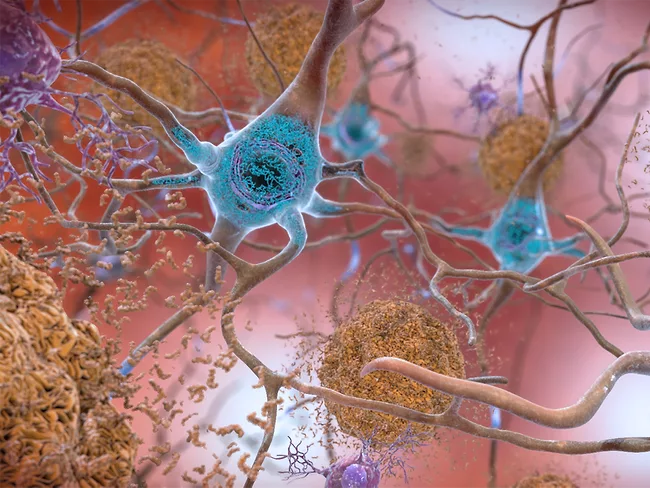
Eisai Co. Ltd. and Oita University in Oita Prefecture, Japan, developed a first-of-its-kind machine learning model to predict amyloid beta accumulation in the brain using a wristband sensor. The model, which collects biological and lifestyle data from daily life, is expected to enable screening for brain amyloid beta accumulation to identify those at risk for Alzheimer's disease, particularly because amyloid beta begins to accumulate in the brain about 20 years before the onset of the disease.
The U.S. FDA granted breakthrough device designation for CT-155, a prescription digital therapeutic co-developed by Boehringer Ingelheim GmbH and Click Therapeutics Inc. to treat the negative symptoms of schizophrenia. Designed as an adjunctive to pharmaceutical therapy for schizophrenia, among the most challenging mental health conditions to treat, the PDT is one of several products in the collaboration’s pipeline.
 RSS
RSS