South Korea’s MFDS gave regulatory clearance to SK Inc. C&C’s artificial intelligence (AI) solution to diagnose cerebral infarction called Medical Insight+ Brain Infarct on Feb. 22, as a class III device.
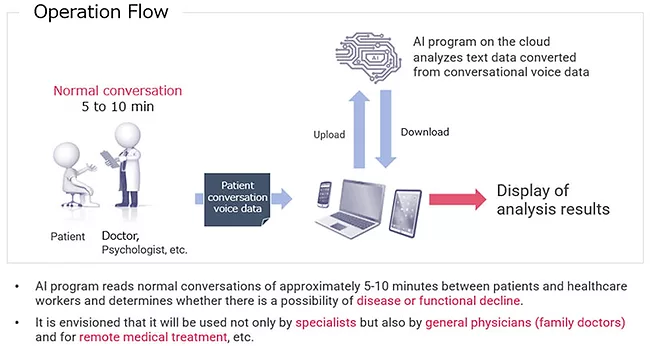
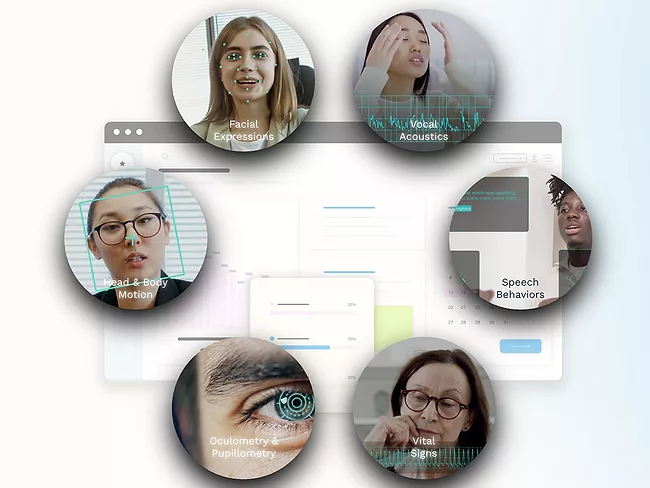
Shionogi & Co. Ltd. is partnering with Fronteo Inc. to develop artificial intelligence (AI)-based diagnostic tools to diagnose mental and neurological disorders more accurately.
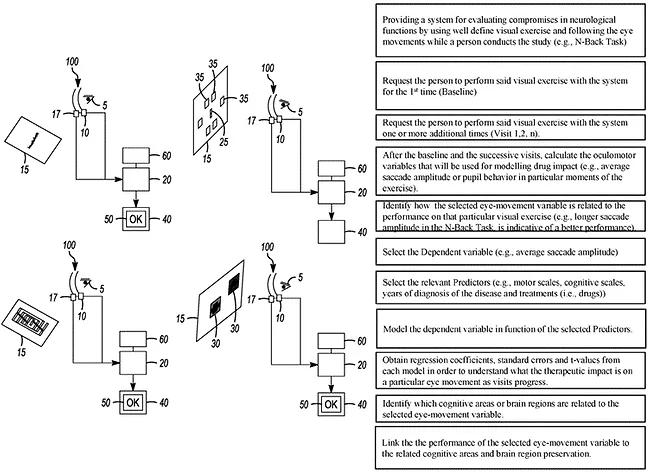
New York-based Viewmind Inc. has applied for patent protection of methods and systems for detecting neurological disorders and/or measuring, fine-motor skills, processing speed, decision making, and cognitive processes by measuring eye movements, oculomotor features and pupil behavior.
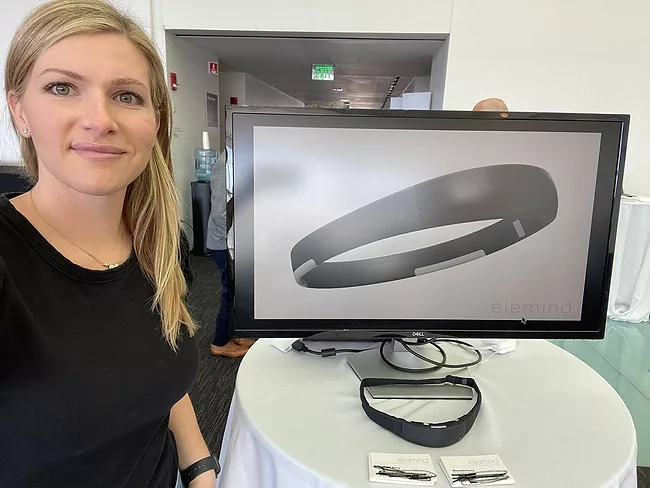
Elemind Technologies Inc. may not (yet) be telepathic, but the new company certainly read the mood of investors well as it secured $12 million in seed funding before emerging from stealth this week. While the product has yet to be fully revealed, the company is developing a wearable neurotechnology platform that uses artificial intelligence to read and guide brainwaves using tailored sound stimulation.
Boston Scientific Corp. notched another win with the U.S. FDA approval of its spinal cord stimulator (SCS), Wavewriter, for treatment of non-surgical back pain just a week after receiving the agency’s nod for its Farapulse pulsed field ablation system. The new indication comes four months after expansion of approved uses for Wavewriter to include painful diabetic peripheral neuropathy.
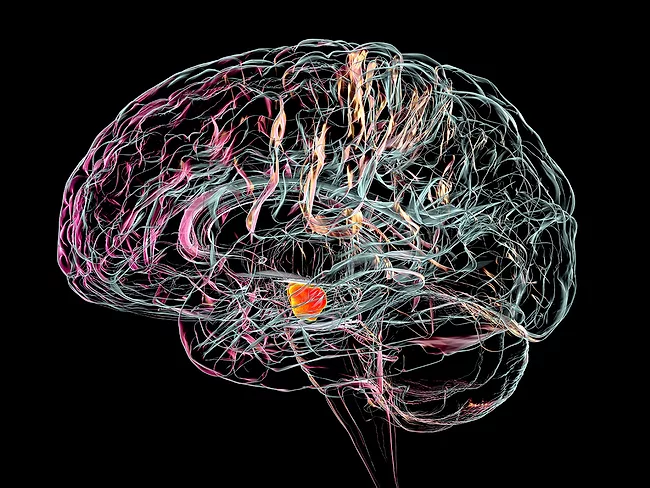
Researchers at Mount Sinai have identified a unique neuron type that could explain vulnerability in Parkinson’s disease and thus help unravel the neuronal complexity of this disorder – hopefully leading to more precise and effective therapies. The findings, published in Science Advances on Jan. 10, 2024, provide new insights into the genetic causes and changes occurring in substantia nigra during PD pathogenesis.
In a first, the U.S. FDA accepted an artificial intelligence (AI)/machine learning-model into its Innovative Science and Technology Approaches for New Drugs (ISTAND) pilot program for drug development. The program will support use of Deliberate AI Inc.’s anxiety and depression assessment tool, called the AI-generated Clinical Outcome Assessment (AI-COA), as a qualified drug development tool.
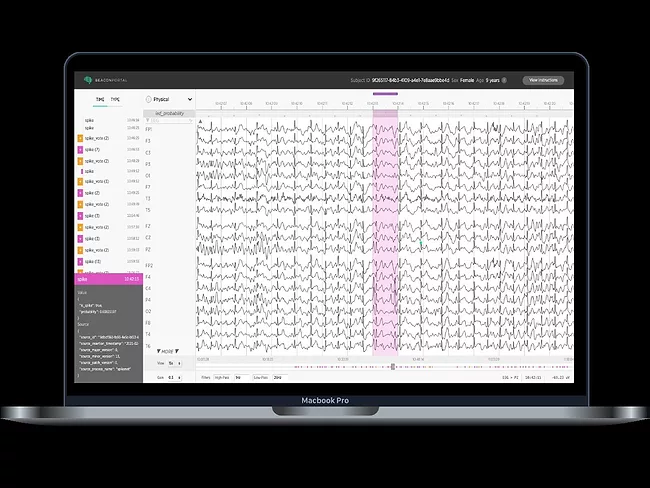
A partnership between Gate Neurosciences Inc. and Beacon Biosignals Inc. promises to advance the field of precision psychiatry by using electroencephalogram (EEG) biomarkers to diagnose depression and rapidly assess response to medications. The collaboration will first use Beacon’s U.S. FDA-cleared Dreem 3S headband device and neurobiomarker platform to conduct EEGs in participants in Gate’s phase II trial of zelquistinel, a small-molecule NMDA receptor modulator under development as an antidepressant.
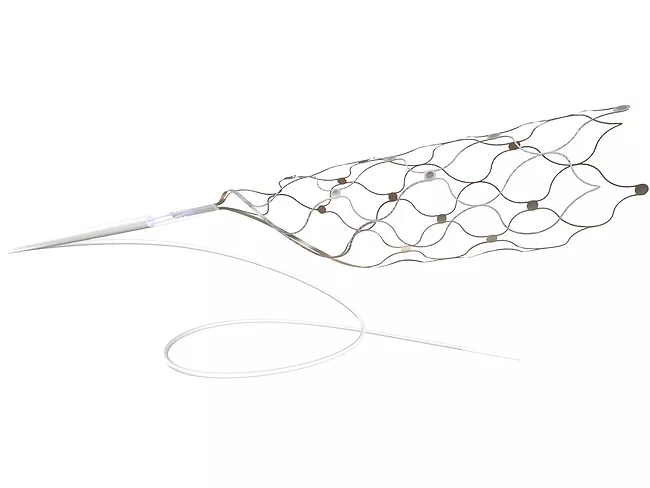
Synchron Inc. has acquired an equity stake in German manufacturer Acquandas GmbH in a move that will strengthen the company’s innovation and supply chain for its brain-computer interface system, Synchron founder and CEO Tom Oxley said.
Cognito Therapeutics Inc. closed a $35 million extension to the series B fundraising round it started in 2023, bringing the total for the round to $108 million and the total funding to date to $128 million. Cognito is developing Spectris, a wearable medical device that provides visual and auditory stimulation for the treatment of Alzheimer’s disease and other neurological disorders.
 RSS
RSS