Bloomsbury Genetic Therapies Ltd. has raised £5 million (US$5.5 million) in a seed round, to take four gene therapy programs based on research carried out by the scientific founders at University College London into clinical development.
Ascidian Therapeutics Inc. secured $50 million in series A funding from its founder Apple Tree Partners to take a therapy based on its RNA exon editing technology into a first-in-human trial in ABCA4 retinopathy and to advance additional programs in neuromuscular, neurological, and rare disease indications.
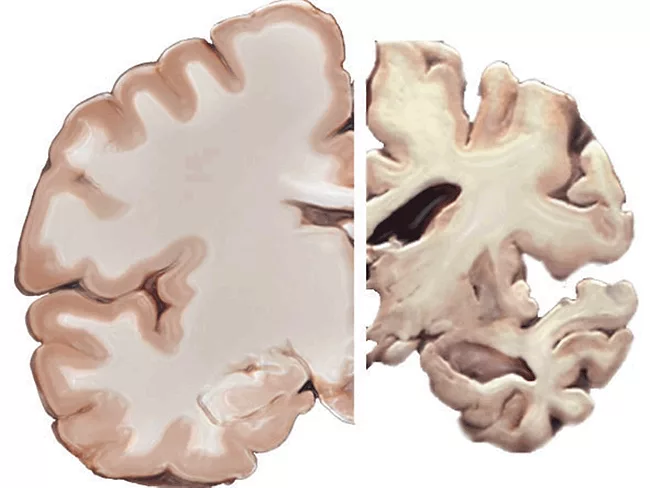
Researchers at the University of Cincinnati have published data showing that in patients with dominantly inherited Alzheimer’s disease-causing mutations, high levels of soluble amyloid-β42 (Aβ42) in the cerebrospinal fluid predicted a reduced risk of developing dementia over three years.
A new analysis of Actinogen Medical Ltd.’s phase II Xanadu trial showed that in biomarker-positive patients with mild Alzheimer’s disease there was a clear clinical effect with lead compound Xanamem not seen in the earlier trial.
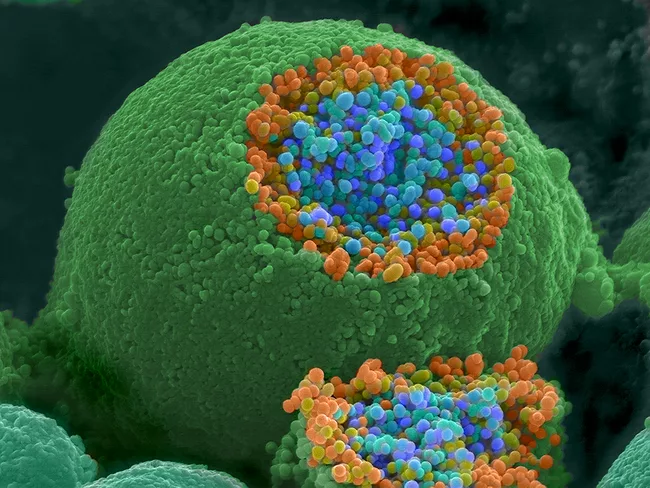
Extracellular vesicles (EVs) are nanosized membrane vesicles released from a variety of cells that play important roles in cell-cell communication and which circulate in almost every body fluid, including blood, urine and cerebrospinal fluid (CSF).
It has been previously demonstrated that prepulse inhibition (PPI) is modulated by neurosteroids and in vivo research in mice has shown that PPI of the startle, a well-validated index of sensorimotor gating, is reduced by the neurosteroid allopregnanolone (AP). In recent work, a group of international researchers aimed to assess whether AP might mediate the PPI-disrupting effects of acute stress.
Researchers at the University of Cincinnati have published data showing that in patients with dominantly inherited Alzheimer’s disease (AD)-causing mutations, high levels of soluble amyloid-β42 (Aβ42) in the cerebrospinal fluid (CSF) predicted a reduced risk of developing dementia over 3 years. Their work, which appeared in the Oct. 4, 2022, print issue of the Journal of Alzheimer’s Disease after earlier publication online, suggests that the problem with amyloid in AD may be a lack of soluble amyloid-β, rather than a surfeit of plaques.
Shares in Evgen Pharma plc more more than doubled in value after the biotech signed a deal worth up to $160.5 million with Stalicla SA, to develop sulforaphane-based drug SFX-01 for certain patients with autism spectrum disorder.
Jiangsu Hansoh Pharmaceutical Group Co. Ltd. and Shanghai Hansoh Biomedical Co. Ltd. have synthesized orexin OX2 receptor antagonists reported to be useful for the treatment of major depression and insomnia.
Despite clinical responses undermining expectations for the placebo arm of its phase III Alzheimer's disease (AD) study, Lucidity, Taurx Pharmaceuticals Ltd. executives Oct. 6 said they still see the data as supporting their ability to pursue regulatory submissions for hydromethylthionine mesylate (HMTM), an oral tau aggregation inhibitor. For people with mild cognitive impairment especially, they said, "HMTM treatment resulted in sustained improvement in cognition over pretreatment baseline, and normalization of brain atrophy to a rate similar to healthy individuals."
 RSS
RSS