Annji Pharmaceutical Co. Ltd.’s rosolutamide (AJ-201, JM-17) achieved positive results in a phase I/II trial in adults with spinal and bulbar muscular atrophy, also known as Kennedy’s disease.
Sanofi SA made good on its plan to bear down on M&A by agreeing to buy Vigil Neuroscience Inc. for $8 per share (NASDAQ:VIGL). Included in the transaction is a non-tradeable contingent value right entitling the holder to potentially collect $2 per share more in cash, payable following the first commercial sale of the phase II-ready VG-3927, a small-molecule triggering receptor expressed on myeloid cells 2 (TREM2) antagonist for Alzheimer’s disease, if achieved within a specific period. Watertown, Mass.-based Vigil’s stock closed May 22 at $7.88, up $5.57, or 241%.
A collaboration of scientists from the NIH Brain Initiative consortium has published eight simultaneous studies in Neuron, Cell, Cell Genomics, Cell Reports and Cell Reports Methods, with the results of the Armamentarium project, a new set of gene therapy tools for the research and treatment of human brain disorders. The methodology, based on genetic techniques, RNA detection, genomic enhancers and viral vectors, is designed to access different CNS cell types, neuronal and non-neuronal cells, with common and reproducible protocols now available for any laboratory.
Orionis Biosciences Inc. is sticking with Genentech Inc. in a second deal to discover small-molecule monovalent glue therapies for treating cancer. Privately held Orionis is getting $105 million up front and could earn more than $2 billion in R&D, development, commercial and net sales milestones, plus royalties. The multiyear collaboration calls for Orionis to handle discovery and optimization of molecular glues, with Genentech in charge of later-stage preclinical and clinical development, regulatory filing and commercialization of any small molecules the partnership produces.
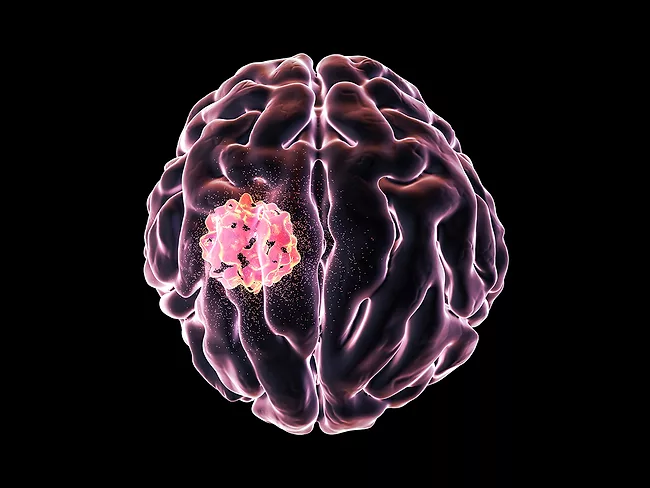
Glioblastoma (GBM) is an aggressive cancer from the CNS usually characterized by a very bad prognosis. It is known that around 30%-35% of patients with GBM develop epilepsy as a comorbidity of the disease.
Being able to detect and monitor the aggregation of α-synuclein in situ could lead to more objective, earlier diagnosis of Parkinson’s disease as well as allow real-time monitoring of whether patients are responding to treatment.
Down syndrome (DS) is the most prevalent genetic cause of Alzheimer’s disease (AD). Previous evidence suggests that increased dosage of the amyloid precursor protein (APP) gene plays a crucial role in AD in individuals with Down syndrome (DS-AD), making APP expression a crucial therapeutic target.
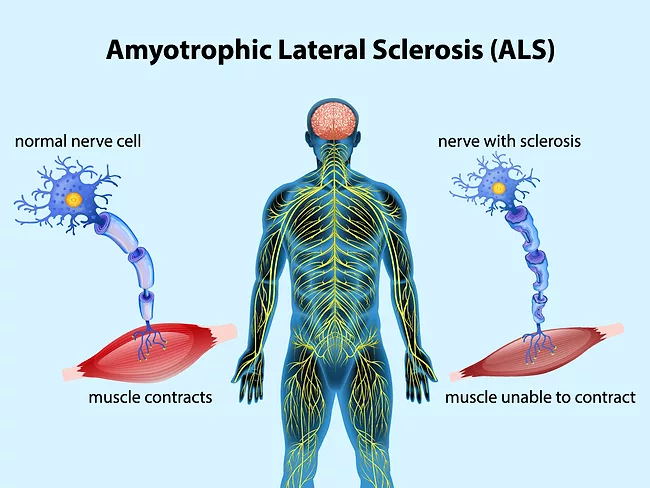
Huidagene Therapeutics Co. Ltd. has presented data for HG-303, a new CRISPR-hfCas12Max-based therapeutic approach that knocks down ATXN2 expression for the treatment of amyotrophic lateral sclerosis (ALS).
Since the development of the base and prime editing technique by David Liu at the Broad Institute, their applications in biomedicine have continued to grow, reaching 17 clinical trials for base editing and one clinical assay for prime editing. The 28th Annual Meeting of the American Society of Gene & Cell Therapy (ASGCT) marked a historic milestone this year by presenting the first case of treatment with base editors of a baby with a deadly metabolic disease.

 RSS
RSS