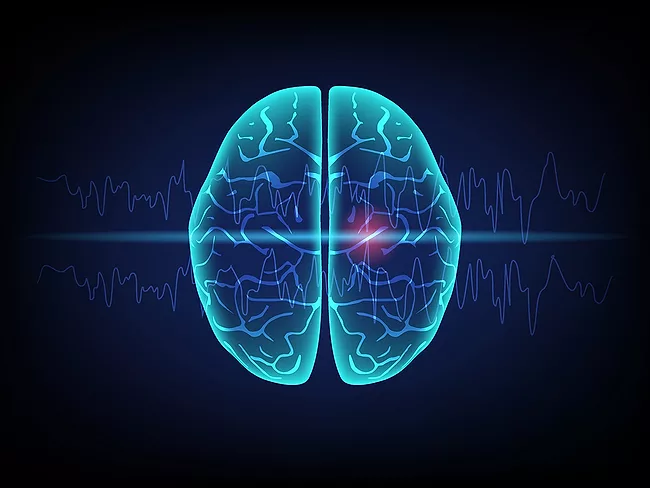
A low-intensity transcranial ultrasound stimulation device, developed by Sonomind SAS, was proven to be safe and effective in treating patients suffering from drug-resistant depression. The results of a study published in Brain Stimulation showed a 61% reduction in the depressive symptoms of patients treated with the device over a five-day period, with no serious adverse events.
Sevenless Therapeutics Ltd. has disclosed son of sevenless homolog 1 (SOS1) inhibitors reported to be useful for the treatment of cancer, pain, dementia, Noonan syndrome, Parkinson's disease and neurofibromatosis type 1.
Mentaily Ltd. raised $3 million in seed funding for its AI-powered mental health diagnosis, triage and support tool, Liv. The platform is designed to help patients suffering from psychological distress and mental illness.
Xenon Pharmaceuticals Inc. is delaying the phase III data readout from the X-tole2 trial with azetukalner in focal onset seizures (FOS) from the second half of 2025 to early 2026 but remains busy with NDA plans.
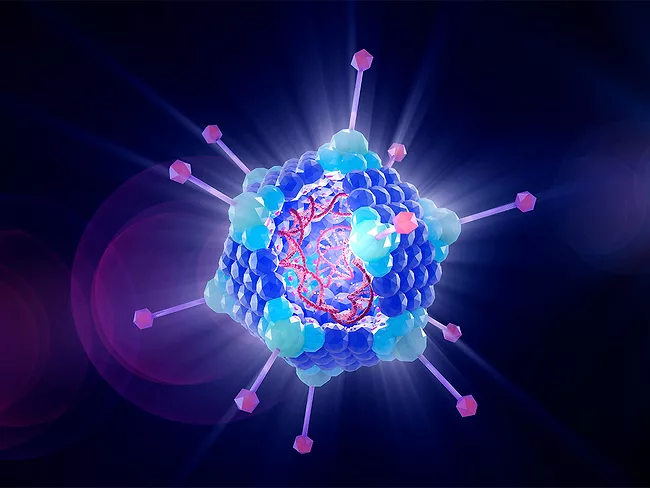
Mavrix Bio has received IND clearance from the FDA for MVX-220, an investigational AAV gene therapy for the treatment of Angelman syndrome. The company expects to initiate its first-in-human study, ASCEND-AS, in the second half of this year.
Capsida Biotherapeutics Inc. has gained IND clearance from the FDA for CAP-002, its first-in-class, intravenously administered gene therapy for syntaxin-binding protein 1 developmental and epileptic encephalopathy (STXBP1-DEE). Dosing in the phase I/IIa SYNRGY trial will begin in the third quarter of this year.
The U.K. National Institute for Health and Care Excellence (NICE) endorsed the use of the Orbit system by Mindtech Ltd. as a treatment for tics and Tourette syndrome.
Finding that a lower court went too far with an injunction that ignores the Hatch-Waxman safe harbor protections for drug development, the U.S. Court of Appeals for the Federal Circuit handed Avadel CNS Pharmaceuticals LLC a win of sorts.
 RSS
RSS